
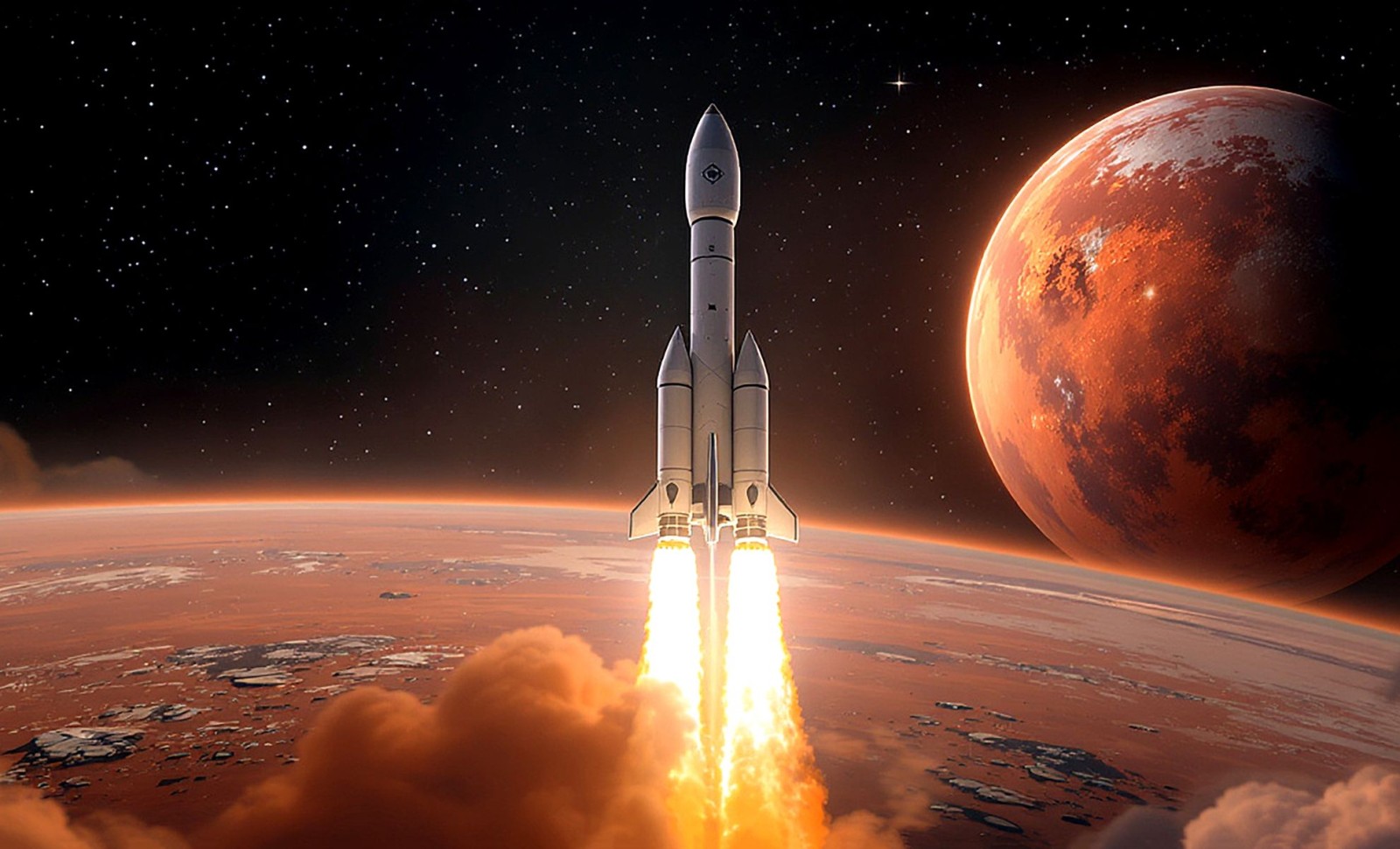
NASA has chosen four participants to inhabit a 3D-printed living space for 378 days, replicating the experience of residing on Mars. Starting on October 19, 2025, this effort is part of the CHAPEA (Crew Health and Performance Exploration Analog) initiative. The project aims to acquire vital information on how extended space missions influence human health, capabilities, and resilience.
The team will remain inside the Mars Dune Alpha habitat located at NASA's Johnson Space Center in Houston. During this period, they will confront limited resources, communication lags, and engage in mock spacewalks, simulating the challenges astronauts are expected to meet on Mars missions. NASA notes that these conditions are integral to preparing for human space exploration by addressing physical and mental demands.
This year-long simulation plays a critical role in NASA’s preparations for missions beyond Earth, especially regarding human travel to Mars. By imitating the hardships of Martian living, the agency seeks to develop better technologies and mission plans to safeguard astronaut health and efficiency in deep space.

Living in Mars Dune Alpha for a Year
Spanning 1,700 square feet, the Mars Dune Alpha habitat is a 3D-printed facility constructed to replicate Martian living conditions. Selected volunteers Ross Elder, Ellen Ellis, Matthew Montgomery, and James Spicer will inhabit this habitat for an entire year. Its design incorporates elements to evaluate isolation effects, resource limitations, and the emotional and physical strain posed by such an enclosed, remote environment.
Throughout their stay, the crew will undertake activities like cultivating food, performing scientific experiments, and completing simulated extravehicular activities (EVAs). They will also navigate unexpected equipment malfunctions while experiencing a simulated lack of real-time contact with Earth. NASA explains these conditions help study challenges such as communication delays and resource restriction, core obstacles in prolonged space endeavors. The knowledge gained will guide NASA in developing the tools and protocols needed for human space exploration.
Introducing the Crew
The chosen team for the 2025 CHAPEA project consists of experts from aerospace, engineering, and military backgrounds. Ross Elder, mission leader, is an experimental test pilot for the U.S. Air Force with over 1,800 flight hours. His specialties include artificial intelligence, unmanned systems, and mission management.
Ellen Ellis, serving as the mission’s medical officer, holds a colonel rank in the U.S. Space Force. With her foundation in aerospace engineering and emergency response, she brings additional insight from her role at the National Reconnaissance Office.
Matthew Montgomery, the science officer, is an engineering consultant affiliated with technology startups. His expertise in robotics and controlled environment agriculture supports the team’s sustainability efforts regarding food production and life support systems.
James Spicer, the flight engineer, brings experience from the aerospace and defense sectors. His background in satellite communications and spacecraft integration makes him an essential asset to the crew.
Supporting them are alternates Emily Phillips and Laura Marie, who add valuable aviation experience from military and commercial flying.
Understanding the Significance of CHAPEA
The CHAPEA program aims to explore not just technology, but also the overall human response to long missions. NASA’s Human Research Program investigates spaceflight’s effects on physical conditions such as muscle loss and bone weakening, as well as psychological challenges stemming from isolation.
As NASA advances programs like Artemis and prepares for human expeditions to Mars, CHAPEA offers critical insights into factors that could determine mission success.
“CHAPEA and other analog missions help us determine the best ways to support future crews in overcoming the health and performance challenges of living and working beyond Earth,” said Sara Whiting, project scientist at NASA.
This endeavor is NASA’s second year-long habitat simulation, following the first that concluded on July 6, 2024. Each successive mission enhances the agency’s knowledge of prolonged spaceflight to ensure astronauts are ready for their eventual journey to Mars.
- Categories:
- Science









0 comments
Sign in to Comment