
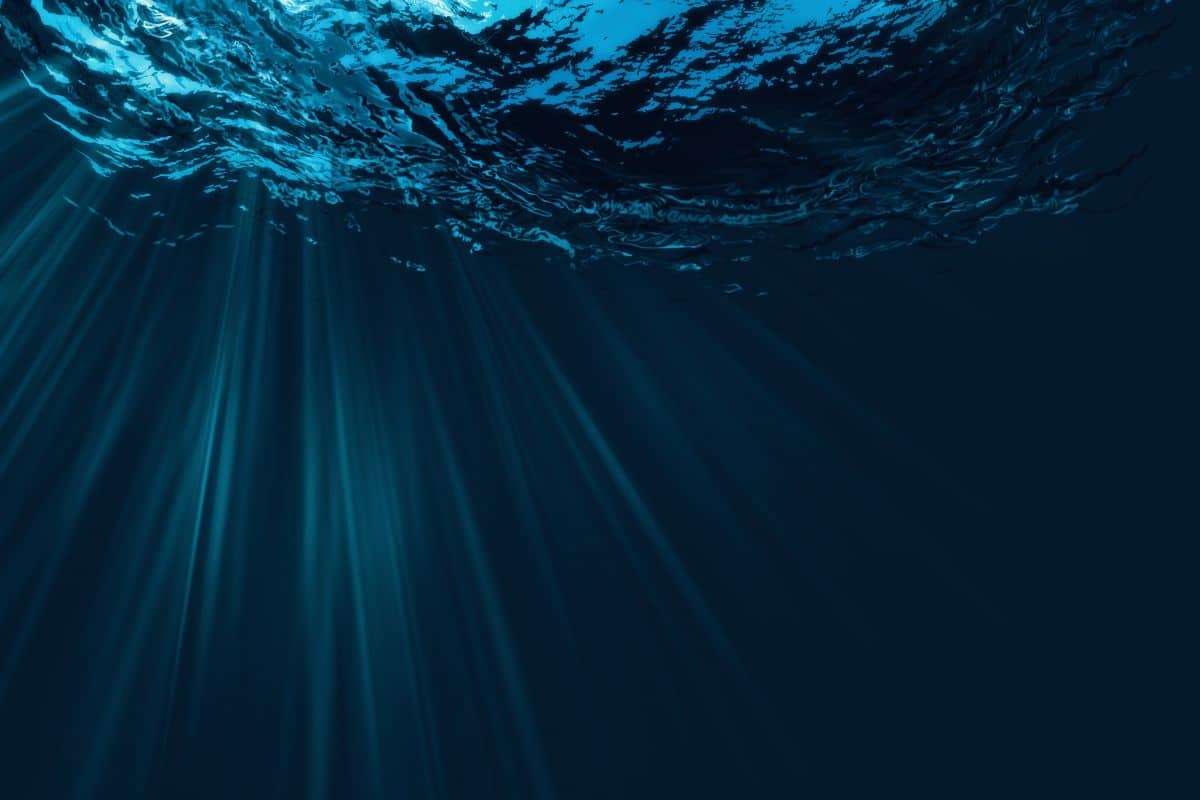
While many wealthy entrepreneurs have set their sights on outer space, an enigmatic investor is charting a new course beneath our planet’s oceans. With an investment exceeding £100 million, the Deep Project is spearheading efforts to create a permanent underwater human settlement by 2027.
Exploring the Ocean’s Final Frontier
According to a podcast from The Guardian, while underwater laboratories have been established previously, this ambitious plan aims to build a long-lasting living environment to support exploration and work far beneath the ocean's surface.
Operating out of Chepstow, Wales, the project's team of engineers and scientists is advancing technologies to enable sustainable human life underwater. This endeavor seeks to fulfill a longstanding vision—to make the ocean a new habitat for humanity.

Back in the 1960s, Jacques Cousteau pioneered short-term underwater dwellings, but these were temporary experiments. Now, breakthroughs in biotechnology, artificial intelligence, and marine engineering open the door to making extended underwater habitation a reality.
Unveiling the Secret Sponsor
Despite the substantial funding, the individual or group financing the project remains a mystery. This anonymity has sparked widespread curiosity about their true intentions. Some speculate the initiative is the passion project of a billionaire similar to the private space race led by Elon Musk and Jeff Bezos. Others suggest it might be tied to future underwater commercial opportunities or exclusive luxury oceanic residences.
Whatever the backer’s identity, the commitment signals a serious drive to push underwater habitation forward. The initiative will nonetheless encounter significant technological and psychological obstacles.
Addressing the Complexities of Life Below the Surface
Establishing a livable underwater environment is far more complicated than merely constructing submersible structures. The Deep Project must create sturdy infrastructure that can resist immense oceanic pressure while ensuring stable conditions to support life for prolonged durations.
Unlike space stations, which manage artificial atmospheres, underwater habitats must precisely balance oxygen levels, remove carbon dioxide effectively, and guarantee clean water supply needed to sustain occupants.
Aside from technical challenges, psychological effects pose a major concern. Lack of sunlight, extended isolation, and limited space might adversely impact mental well-being. The project’s researchers will need to carefully evaluate the physical and emotional effects of deep-sea living over time.
Advantages of Sustained Oceanic Residency
The significance of this venture extends beyond engineering hurdles. A continual human outpost underwater could transform oceanographic research, enabling scientists to observe marine ecosystems more comprehensively than short visits allow.
Precise monitoring of ocean temperatures and aquatic lifeforms could enhance understanding of climate change’s influence on marine environments.
Moreover, the project may lay the foundation for emerging industries. Some envision responsible deep-sea resource extraction, while others imagine a brand new realm of luxury underwater tourism.
Could This Mark the Next Leap in Human Expansion?
Despite ongoing efforts to colonize places like Mars, the Deep Project presents the ocean as a nearby, promising frontier. Success here could revolutionize humanity’s relationship with the sea, potentially leading to underwater cities or continuous deep-ocean communities.
However, the initiative also raises environmental concerns. Experts caution that building and operating underwater habitats could disrupt sensitive marine environments, urging careful consideration of ecological impacts.
- Categories:
- Science













0 comments
Sign in to Comment