
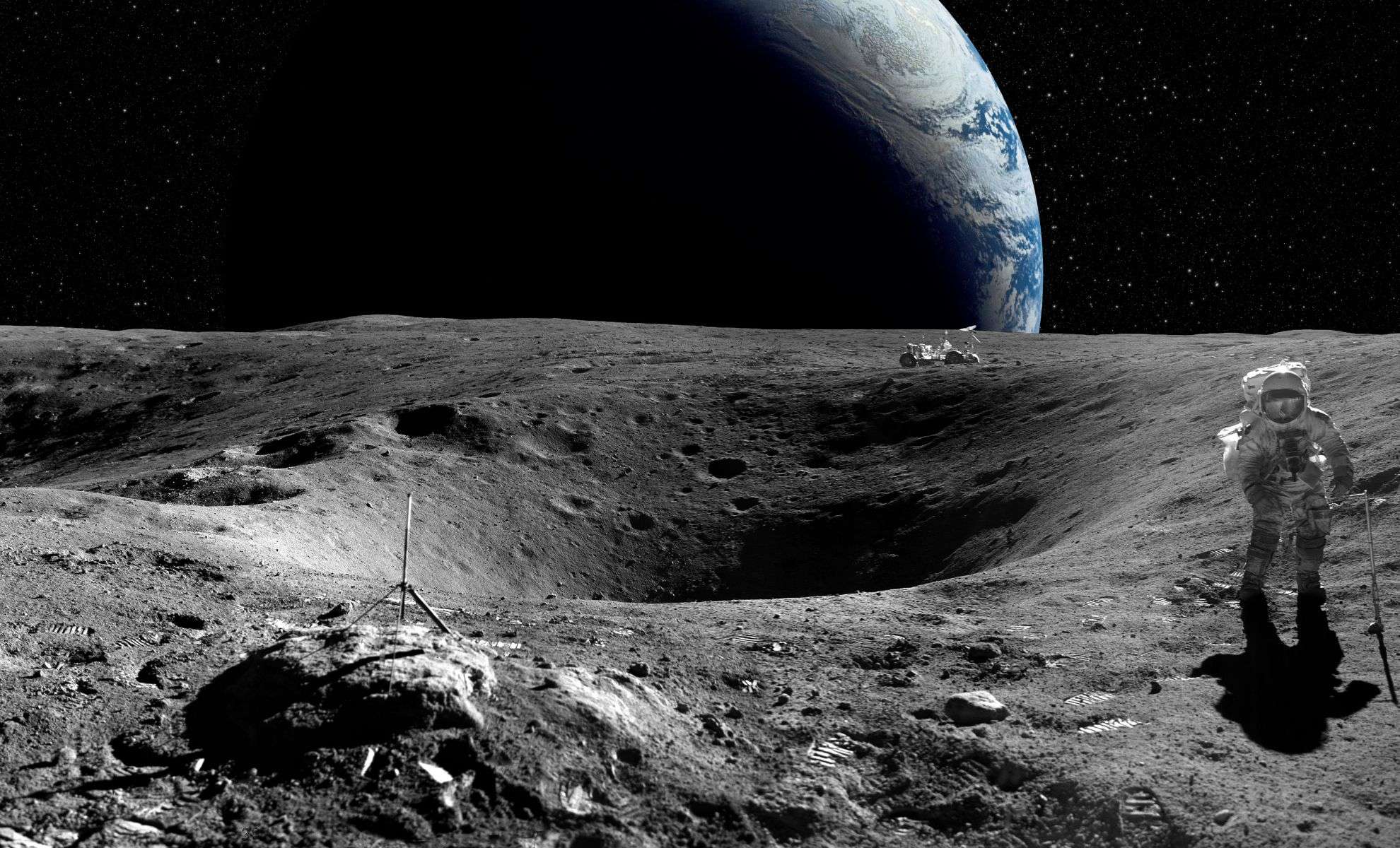
For more than ten years, the prospect of water ice on the Moon has driven the planning of space missions and shaped agency strategies. Scientists believe that the Moon’s poles contain permanently shadowed areas (PSRs) that have remained untouched by sunlight for billions of years, preserving frozen substances such as water. These resources are critical not only for scientific research but also for future lunar habitation, offering potential supplies of fuel, breathable air, and drinking water.
However, advancing this vision may take longer than expected. As highlighted by Space.com, experts point to significant uncertainties regarding the actual distribution of these materials—and even what might be absent.
Lunar Exploration Lacks a Definitive Resource Map
The biggest challenge today is that we still don’t possess a comprehensive map that identifies the exact locations of volatile deposits on the Moon. Shuai Li of the Hawaii Institute of Geophysics and Planetology emphasizes that we lack one of the fundamental resources in planetary science: a detailed inventory of icy sites—an obstacle that complicates mission planning.

“Water ice could be the most abundant volatile,” Li told Space.com, “but we still have no robust mapping of it,” especially in regions where concentrations might be low—maybe just a few weight percent or even less. That may sound like a small amount, but on the Moon, even a little ice could be a big deal.
Beyond water, our knowledge is even murkier. Volatile compounds such as hydrogen sulfide, carbon monoxide, and carbon dioxide may exist in these shadowed zones, yet no direct observations confirm their presence. The challenge lies less in lack of interest and more in not having the optimal sensors positioned properly.
“We do not have direct observations of such volatile species,” Li explained. What we do have are incomplete readings, indirect signals, and a lot of “maybes.”
Single Impact, Limited Insight, Lingering Questions
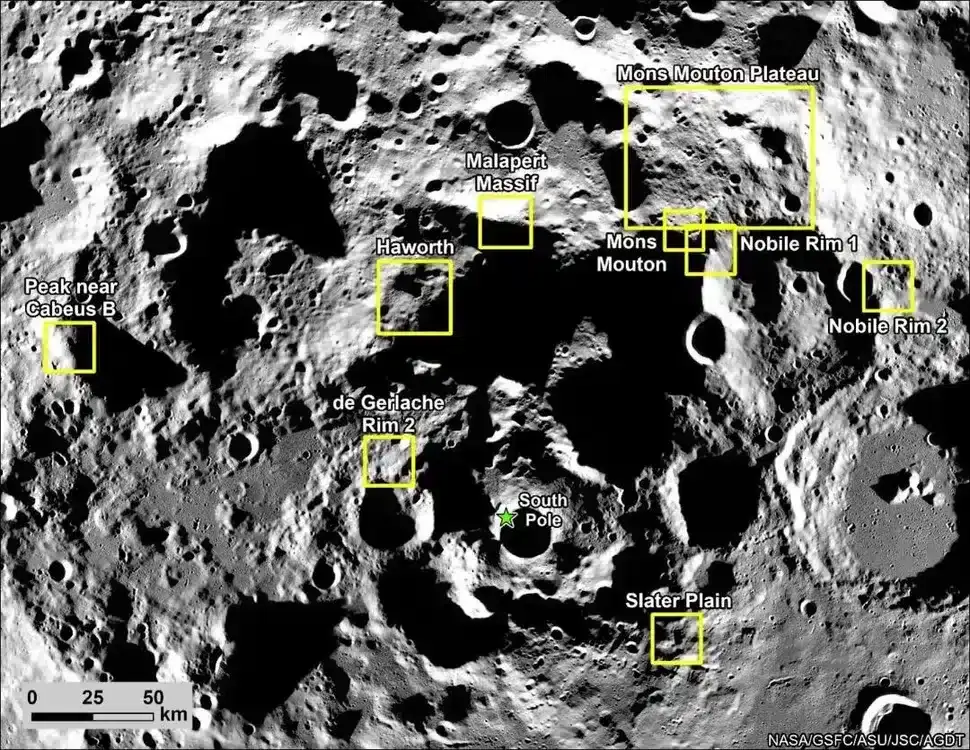
In 2009, NASA’s LCROSS mission gained widespread attention when it deliberately crashed into a crater near the Moon’s southern pole, kicking up debris that revealed water ice content at roughly six percent. While a significant achievement, this single event was insufficient to reveal the broader distribution or quantity of ice.
Norbert Schörghofer, senior scientist at the Planetary Science Institute, suggests that subsequent efforts have relied on instruments not tailored to this complex challenge.
“The spectroscopic detections of ice exposed on the surface from lunar orbiters are hopelessly incoherent.”
Some advancement has been made. China's Chang’e 6 mission returned samples pointing to the presence of water bound within lunar minerals. However, this differs from uncovering significant ice deposits and leaves the central question unanswered: how abundant is lunar ice for practical use?
International Efforts Face Complex Challenges
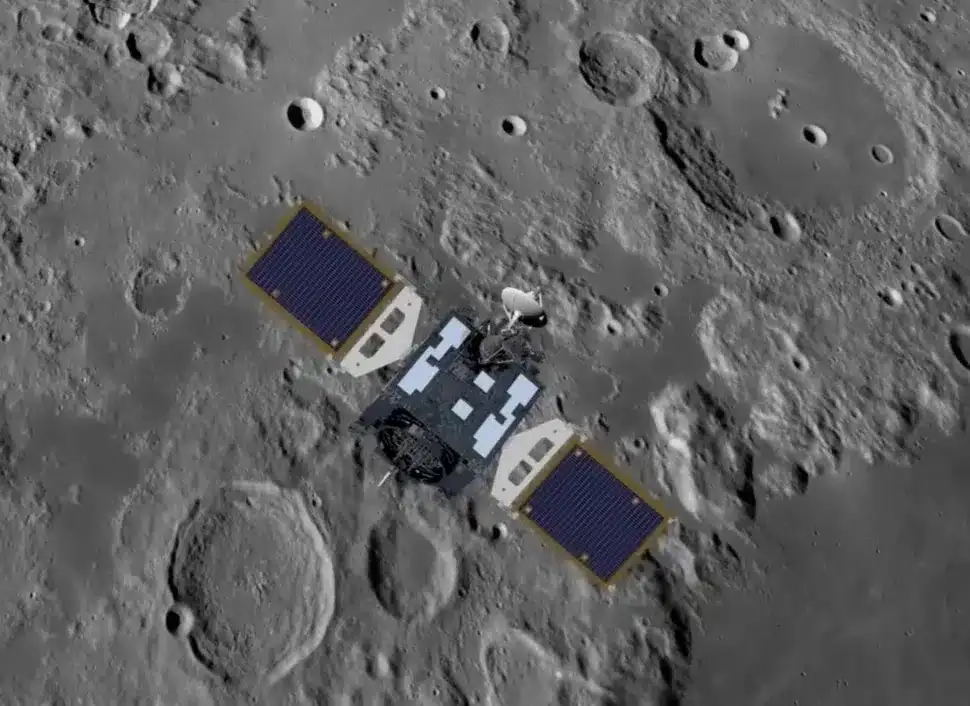
Despite hurdles, some countries are joining forces. South Korea’s KPLO orbiter equipped with NASA's ShadowCam aims to capture unprecedented views into the Moon’s darkest areas, shedding light where previous missions could not.
Progress remains “very slow,” Li acknowledged to Space.com, due not only to technical challenges but also diplomatic competition. With many countries targeting the lunar south pole, information sharing is limited. Schörghofer openly remarked:
“Ultimately we are looking at a competition between two superpowers,” referring to the US and China.
Current State and Future Prospects of Lunar Ice Exploration
Where does this place us? There is an abundance of theories, numerous goals, but few definitive proofs.
“Reserves, in the sense of known and readily recoverable resources, are hence arguably quite small at this point of time,” Schörghofer noted.
While not discouraging, this highlights the pressing need for improved technology and detailed data. Harnessing lunar ice for astronaut support, fuel production, or longstanding bases remains an enticing possibility—yet one that awaits validation through enhanced exploration.
- Categories:
- Space





0 comments
Sign in to Comment