
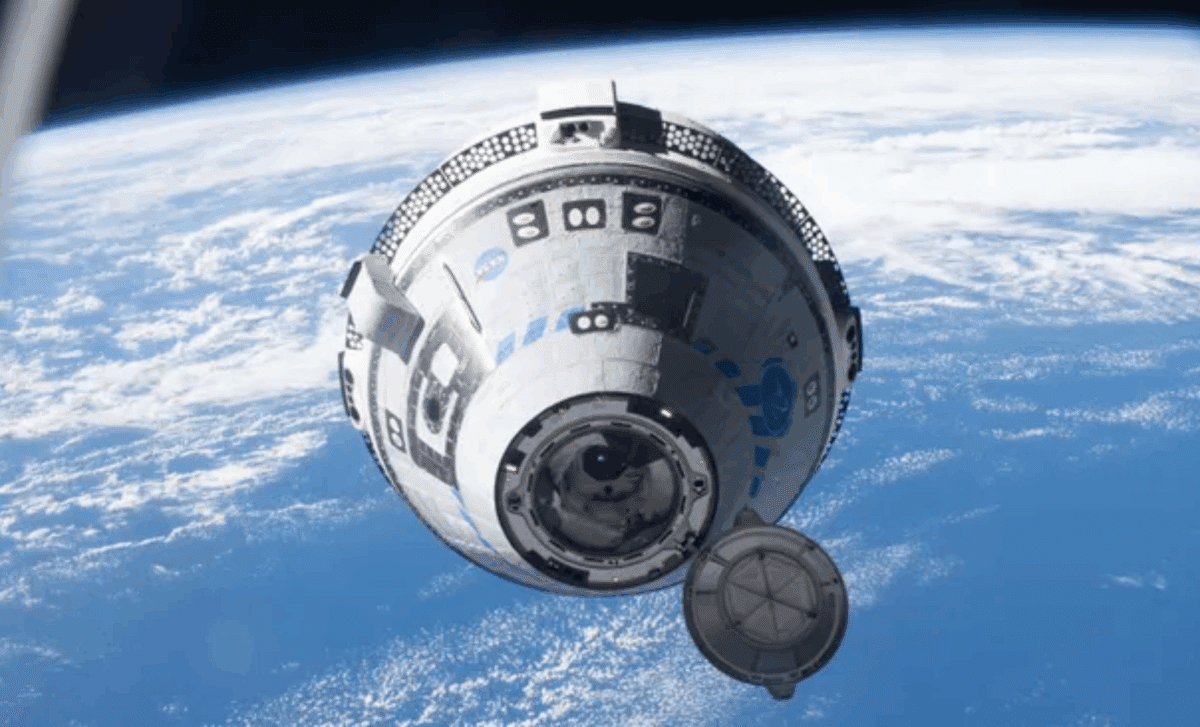
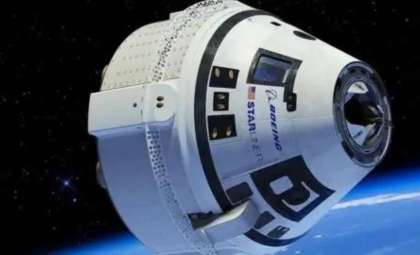
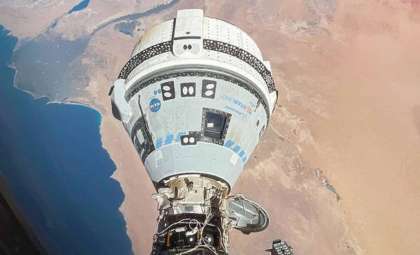
Boeing’s Starliner spacecraft faces another postponement, as it will not transport astronauts to the International Space Station (ISS) in 2026 as initially scheduled. Instead, NASA has approved a cargo and system verification mission for the upcoming Starliner flight. This shift follows several delays and comprehensive safety assessments. Both NASA and Boeing are dedicated to advancing system improvements and conducting rigorous tests to prepare for a future crewed launch that meets NASA’s strict requirements.
Postponing Science: The Impact on Space Exploration
This week, NASA announced that the next Starliner flight, designated Starliner-1, will serve as a critical cargo delivery mission to the ISS and help validate upgrades implemented after last year’s Crew Flight Test. Officials emphasized that this cautious decision ensures the spacecraft is thoroughly vetted before it carries astronauts. This mission will play a vital role in assessing Starliner’s performance in operational spaceflight conditions while advancing certification for manned missions.
Boeing’s Starliner program has experienced numerous technical hurdles, particularly during its initial uncrewed test flight, which slowed its certification timeline considerably. Opting for a cargo-only mission in 2026 gives Boeing the opportunity to sharpen essential technologies and guarantee the spacecraft fulfills the highest safety benchmarks prior to carrying crews.

Extensive Validation: Prioritizing Astronaut Safety
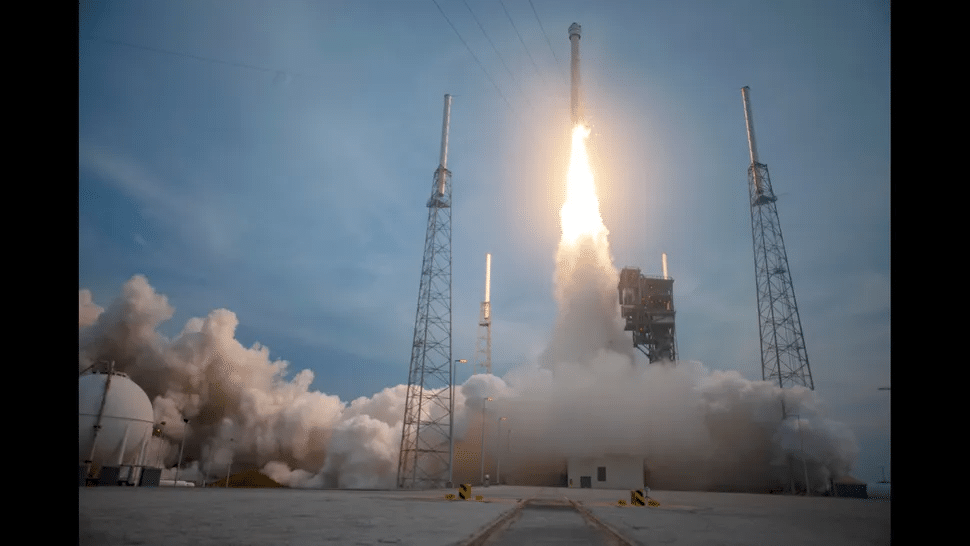
NASA and Boeing remain committed to perfecting the Starliner before any astronauts board it. NASA’s Commercial Crew Program manager, Steve Stich, noted, “NASA and Boeing are continuing to rigorously test the Starliner propulsion system in preparation for two potential flights next year.” These ongoing propulsion tests are crucial for securing reliable and secure crew transport capabilities. Engine dependability is a cornerstone of Starliner’s operational success.
Efforts over the next year will intensify on refining the spacecraft’s systems, with close collaboration between Boeing and NASA to resolve any emerging challenges. The choice to exclude astronauts from the next flight underscores a methodical and safety-first approach to human space exploration. It also highlights the nature of commercial space competition, where setbacks provide valuable lessons despite their impact.
Synchronizing Starliner’s Mission with NASA’s Future Objectives
Looking further ahead, the crew flight delay does not alter Starliner’s essential role in NASA’s long-term objectives. The partnership between NASA and Boeing remains central to supporting crew transfers on the ISS and upcoming lunar exploration. “This adjustment allows NASA and Boeing to concentrate on system certification in 2026, carry out Starliner’s inaugural crew rotation when ready, and align future missions with station operational needs through 2030,” explained Stich.
Starliner is key to NASA’s ambition of sustaining a continuous human presence in space. Ensuring the spacecraft meets certification standards enables NASA to advance space exploration goals. As the ISS ages and new commercial space stations are developed, dependable astronaut transportation will be vital for mission success.
Delay or Strategic Move?
Delays are common in spaceflight programs, yet Boeing’s ongoing challenges with Starliner have drawn scrutiny from the industry. Postponing the crewed flight is viewed as a careful choice, allowing time for unresolved technical concerns to be addressed without risking astronaut welfare. Opting for cargo-only missions rather than rushing crewed flights demonstrates necessary prudence for high-stakes space endeavors.
However, this delay also raises questions about Boeing’s competitive stance as rivals like SpaceX have already demonstrated success in ferrying astronauts to the ISS aboard their Dragon spacecraft. Competition within the private space sector is expected to grow, making Boeing’s ability to revitalize Starliner critical to its future role in human spaceflight.
- Categories:
- News





0 comments
Sign in to Comment