
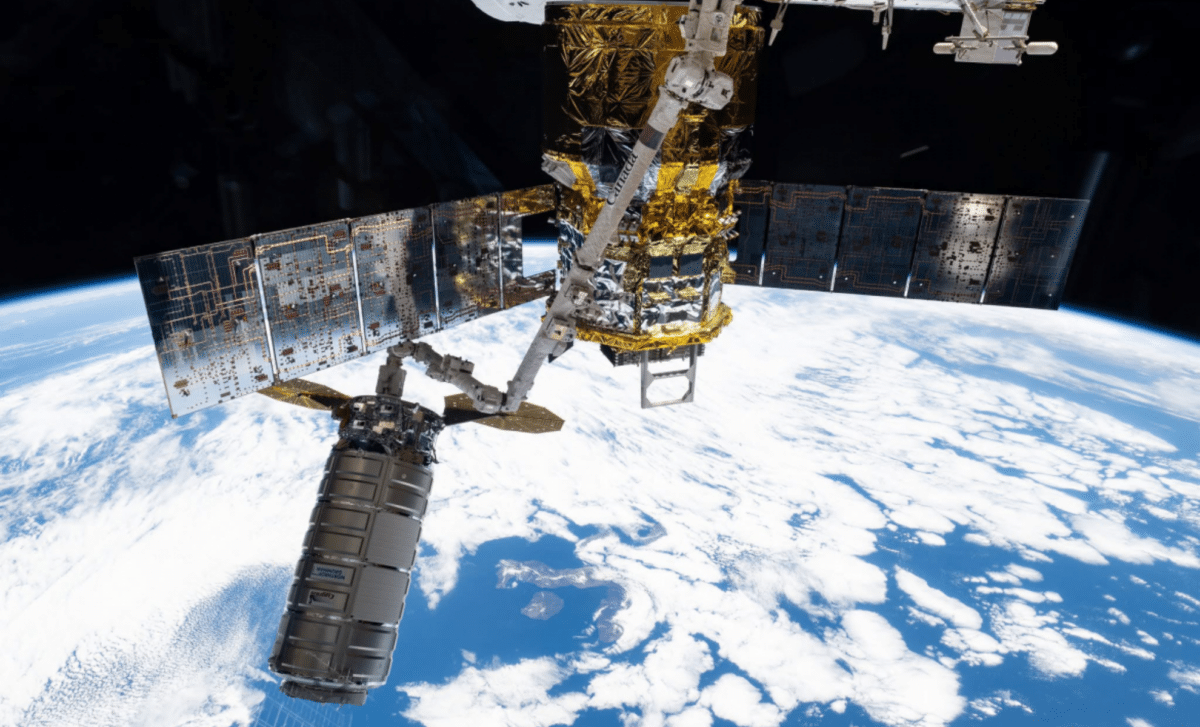
Each space mission brings unique challenges and advances that expand our knowledge and capabilities in space exploration. NASA’s Expedition 74 aboard the International Space Station (ISS) exemplifies this by pushing the frontiers of human health research in microgravity while simultaneously conducting intensive emergency readiness drills. Despite adjustments to the launch timeline of SpaceX’s Crew-12 mission, the Expedition 74 team continues to deliver crucial scientific findings and training for future space endeavors. For an in-depth look, refer to NASA’s original coverage.
Breakthroughs in Pharmaceutical Experiments in Orbit
Expedition 74 team members have begun installing sophisticated pharmaceutical research instruments aboard the ISS. A standout experiment focuses on protein crystallization, which benefits enormously from the weightless environment of space. Terrestrial gravity often distorts these crystals, hindering detailed analysis, but microgravity allows the formation of near-perfect crystals. This enables scientists to gain clearer insight into protein structures, advancing the development of safer and more effective medications. These findings have important implications not only for space travelers but also for medical treatments on Earth.
This experiment’s setup is designed to capture detailed data that could influence pharmaceutical development for years. It highlights how space research can yield valuable breakthroughs that enhance global health and medicine.

Studying Exercise Effects in Microgravity
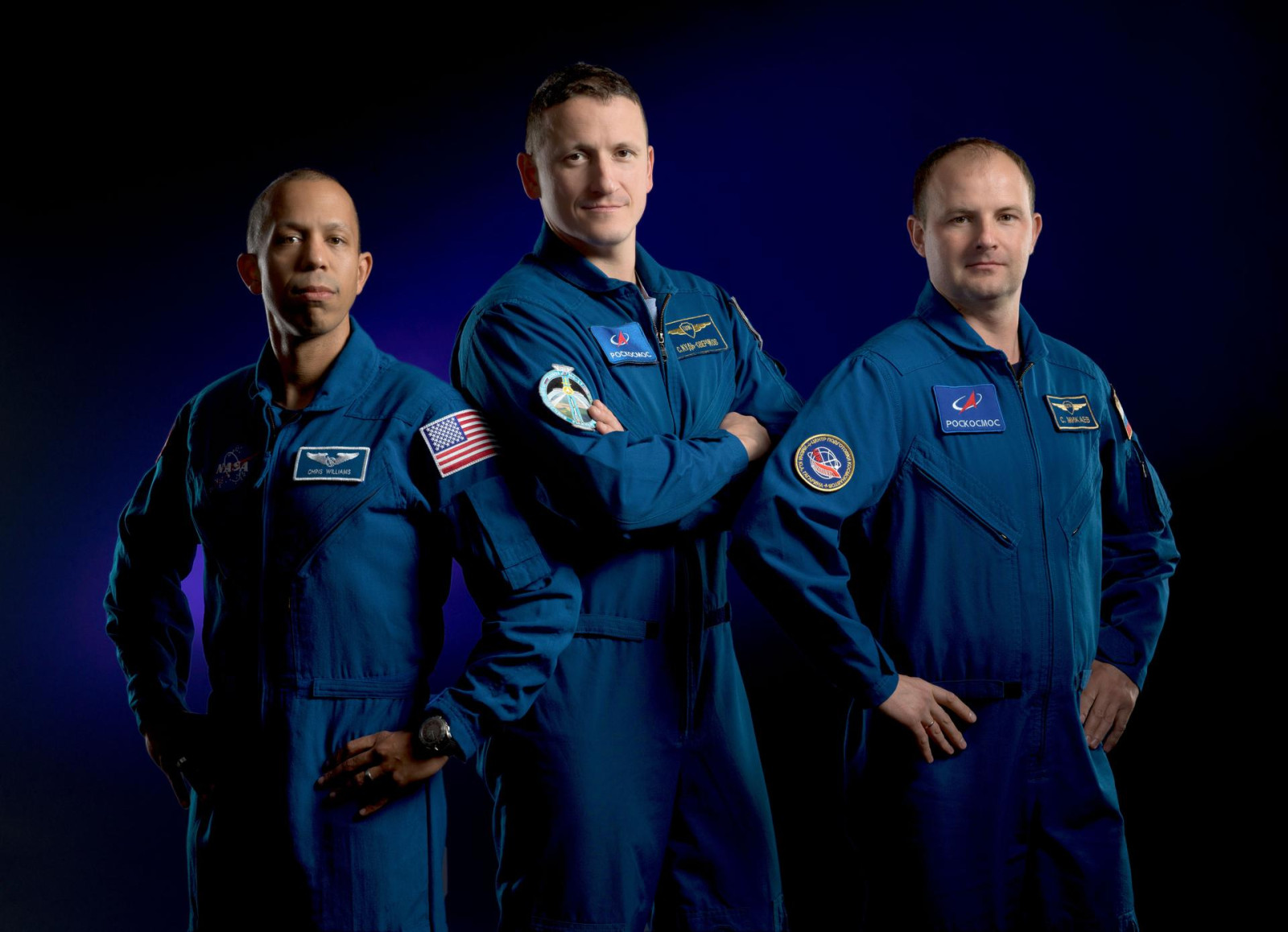
Exercising in space presents unique challenges, as the absence of gravity changes how the human body operates. For astronauts stationed aboard the ISS long-term, maintaining cardiovascular fitness is vital. The Expedition 74 crew conducts critical studies that track physiological changes during spaceflight. NASA Flight Engineer Chris Williams recently utilized an exercise bike equipped with biomedical sensors that measure heart rate, respiratory activity, and other key health markers.
The goal of this research is to understand how prolonged exposure to microgravity affects the body’s adaptation. Insights gained will help design countermeasures to preserve astronaut health on future lengthy expeditions, including potential missions to Mars. These findings also have relevance for the emerging space tourism industry, where extended stays in orbit may become routine for private individuals.
Emergency Response Training with the Soyuz Spacecraft
Emergency preparedness remains a cornerstone of space mission safety. Crew members aboard Expedition 74 recently engaged in training scenarios simulating rapid evacuation from the ISS. This involved quick entry into the Soyuz spacecraft, followed by practicing undocking procedures and both manual and automatic landings back on Earth.
Such drills are essential for operational readiness. Although space missions often proceed smoothly, thorough preparation ensures astronauts can respond swiftly and competently in crisis situations. Mastering these emergency skills may be the deciding factor in life-threatening scenarios, providing astronauts with the confidence to handle real emergencies effectively.
Impact of Crew-12 Launch Rescheduling
Originally set for earlier in February 2026, NASA’s SpaceX Crew-12 mission launch has been postponed to February 12, 2026, at 5:38 AM EST due to adverse weather. This delay underscores the many unpredictable elements involved in spaceflight, including the necessity to wait for optimal conditions to guarantee mission success. The Crew-12 flight will deliver new personnel to the ISS, continuing the vital rotation of astronauts on the station.
NASA and SpaceX are working closely to ensure that all mission parameters are met for a safe and efficient launch. Despite scheduling setbacks, the mission’s significance remains high, steadily progressing humanity’s efforts in space exploration and supporting ambitious future goals such as Mars voyages.
Examining Long-Term Health Effects in Space
Expedition 74 also focuses on biomedical studies to assess how extended time in space influences human health. Continuous exposure to microgravity and cosmic radiation impacts various bodily systems. Beyond cardiovascular evaluations, crew members are investigating effects on neurological and immune functions. For instance, station commander Sergey Kud-Sverchkov recently participated in saliva collection and underwent 24-hour heart monitoring. Such data aids researchers in understanding how spaceflight affects the body at the cellular level over time.
Gaining knowledge about these physiological changes is crucial for keeping astronauts healthy on ongoing missions and for applying this understanding to terrestrial medical challenges. Studying how the body reacts to isolation, weightlessness, and radiation will be key for ensuring the success of deep space exploration in the future.
- Categories:
- Nasa








0 comments
Sign in to Comment