
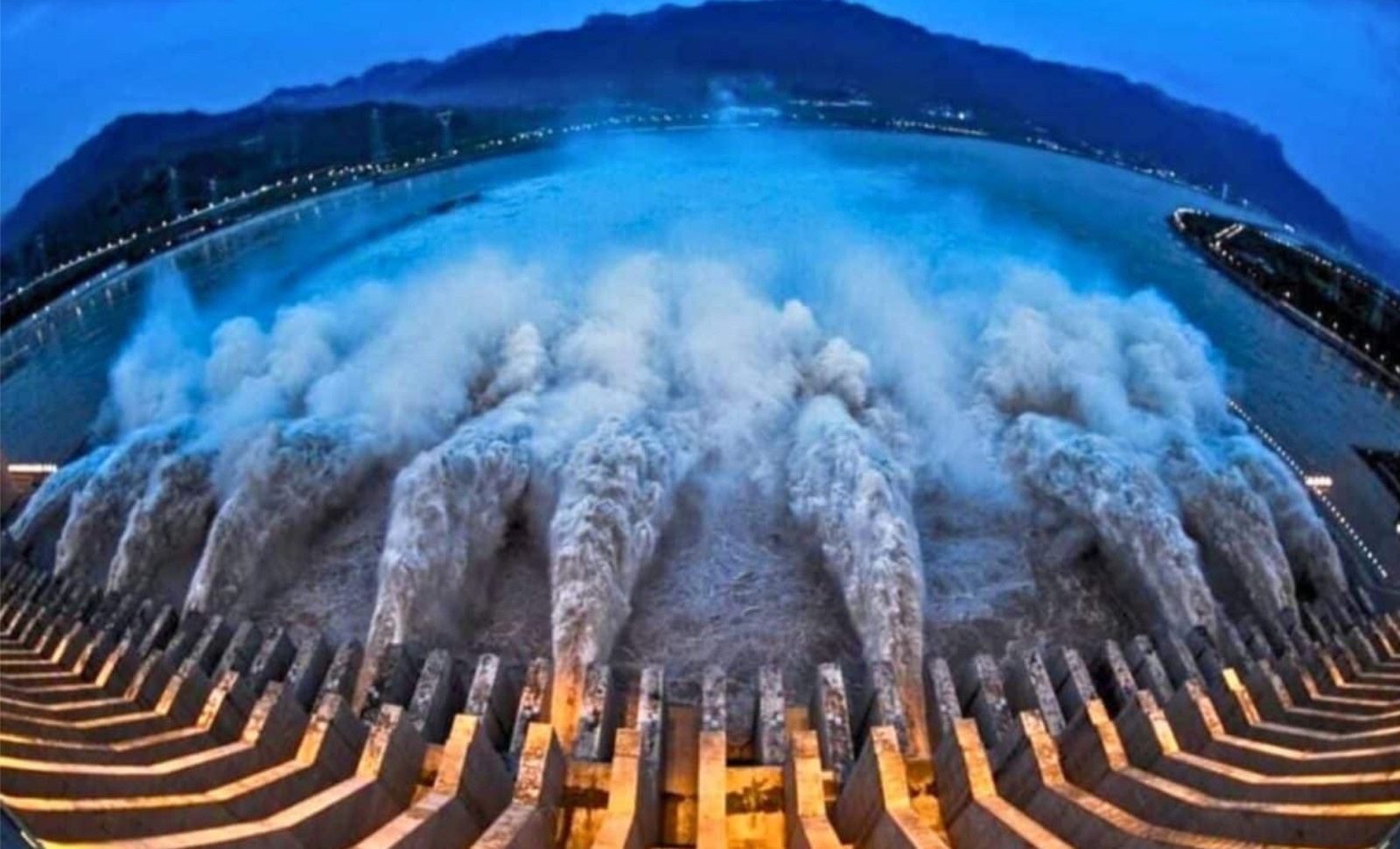
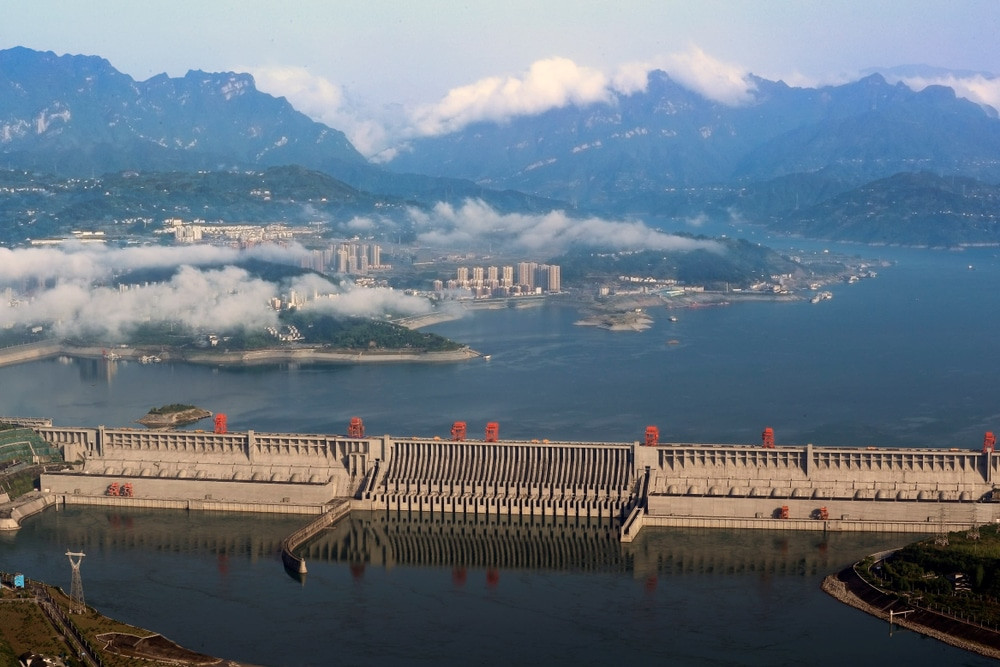
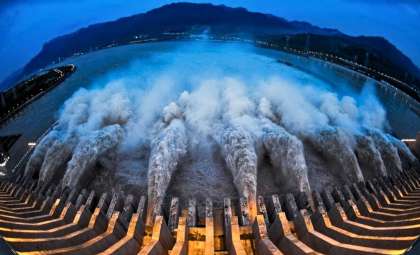
Spanning central China, the Three Gorges Dam on the Yangtze River is an extraordinary feat of engineering that impacts more than just energy and flood control. Its massive structure actually affects the Earth’s rotation on a measurable scale. Completed in 2012, the dam stretches over 2,300 meters in length and rises 185 meters high.
Its reservoir holds approximately 40 cubic kilometers of water—around 10 trillion gallons—elevated about 175 meters (574 feet) above sea level. This elevation shift in such a huge water mass subtly alters the planet's spin.
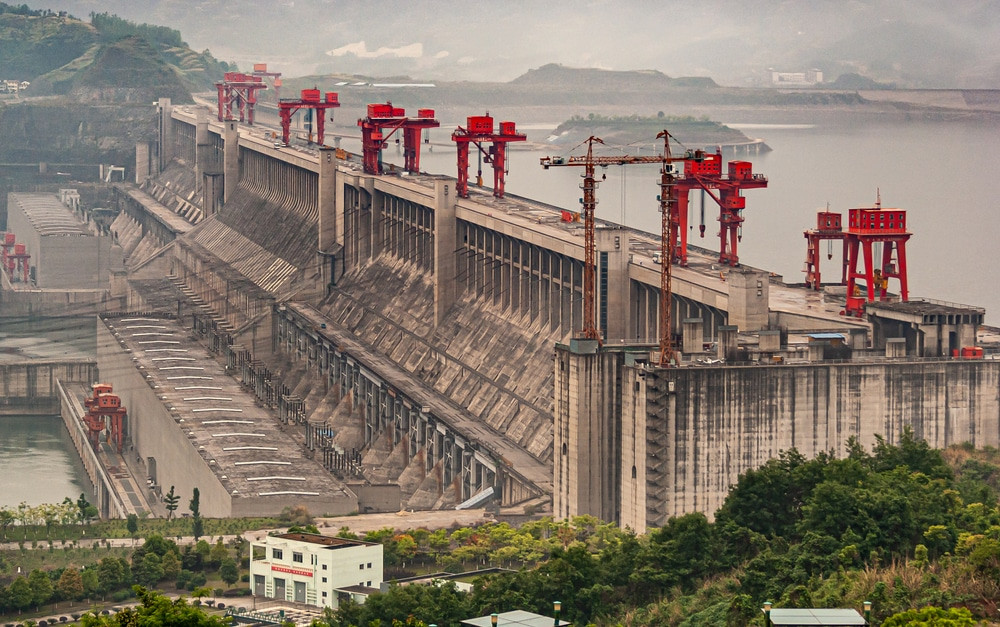
Beyond producing over 80 billion kilowatt-hours of electricity each year and mitigating Yangtze River floods, the project displaced more than a million residents and transformed local ecosystems. Yet, the most unanticipated effect of this engineering wonder concerns planetary dynamics rather than human or environmental issues.

Insights from NASA’s Analysis
The fascinating connection originates from a 2005 study by NASA geophysicists Dr. Benjamin Fong Chao and Dr. Richard Gross. Their research initially focused on the 2004 Indian Ocean earthquake, a magnitude 9.0 event and one of the planet’s strongest quakes in recent history. That catastrophic seismic shift shortened Earth's day by about 2.68 microseconds and nudged the North Pole nearly 2.5 centimeters eastward along 145 degrees East longitude.

By applying similar calculations, Chao and Gross estimated that filling the dam's reservoir extended the length of a day by only 0.06 microseconds and shifted the Earth’s rotational pole about 2 centimeters (0.8 inches). While the 2004 quake slightly reduced Earth’s oblateness, the dam’s impact would make the planet marginally thicker at the center and a bit flatter at the poles.
Why Earth’s Spin Slows Slightly
“Any redistribution of mass affects Earth's rotation,” explained Chao in 2005. This phenomenon is tied to the concept of moment of inertia. Much like a figure skater altering their spin speed by adjusting their arm position, Earth's rotation changes depending on how mass is spread relative to its axis.
By transferring 40 cubic kilometers of water to a reservoir elevated 175 meters, the dam remotely shifts mass away from Earth’s spin axis, causing a negligible deceleration of the planet's rotation. Although measurable by calculations, the effect is extraordinarily small.
In comparison, the moon’s gravitational influence slows Earth’s spin at a rate of roughly 1.7 milliseconds per century—about 17,000 times greater than the dam’s annual effect. The 2004 earthquake’s 2.68 microseconds day-shortening is already minute, while the dam’s 0.06 microsecond impact is even tinier.
Human Impacts on Planetary Rotation
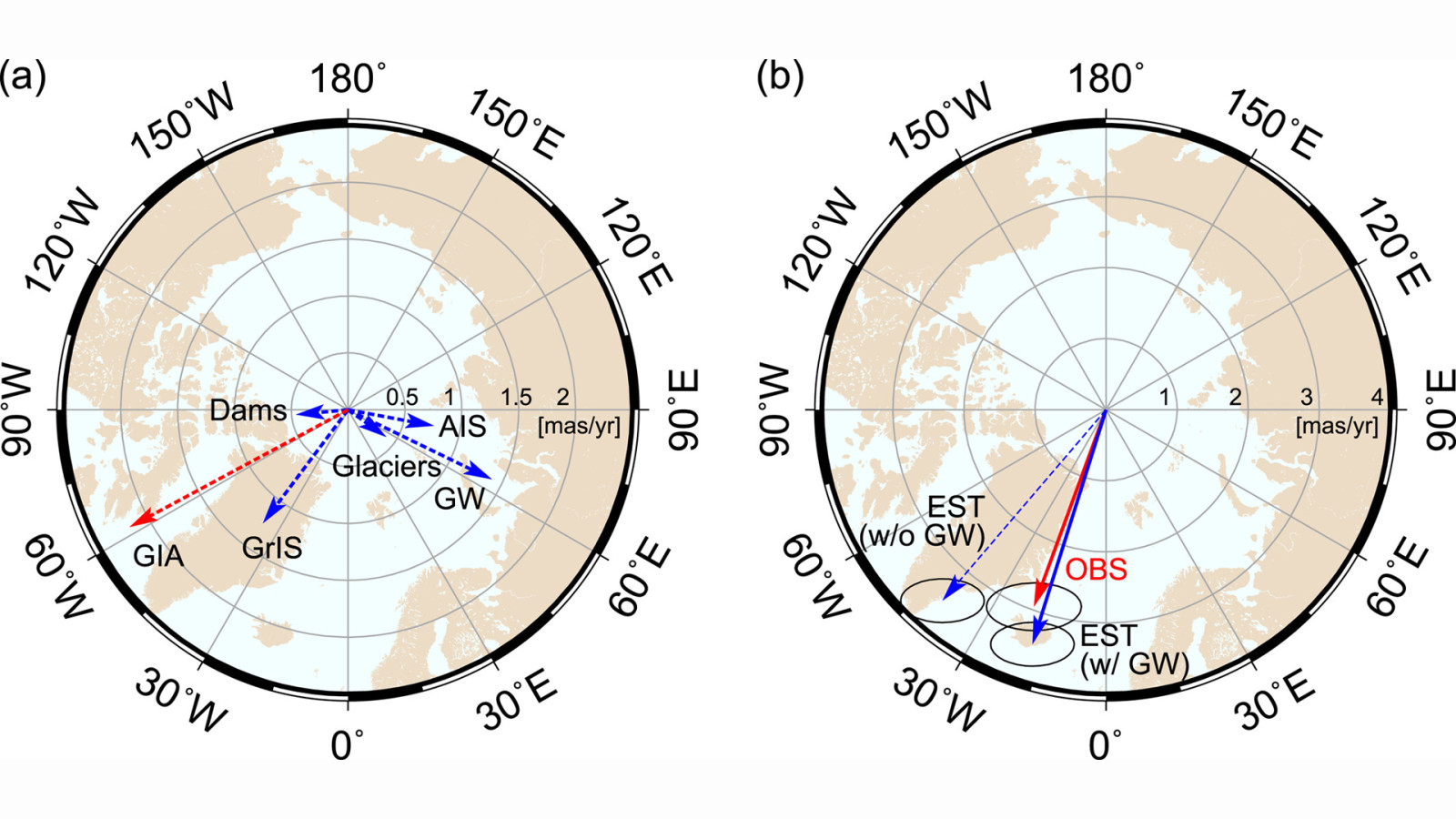
The Three Gorges Dam isn’t the only human endeavor influencing Earth’s spin. Groundwater removal worldwide between 1993 and 2010, totaling around 2,150 gigatonnes, shifted the Earth’s rotation axis approximately 80 centimeters east. Melting polar ice due to climate change is also redistributing mass toward the equator, further slowing the rotation.
Ice losses in Greenland and Antarctica have altered mass balance in measurable ways, similar to the dam’s influence, evidencing a clear human footprint intersecting with geophysical processes on a planetary scale.
Some scientists propose the possibility of a “negative leap second”—an adjustment that would shorten a minute to 59 seconds—to accommodate cumulative rotational changes. While still speculative, it highlights how human activity gradually influences planetary physics. Gross and Chao continue to quantify seismic effects on Earth’s rotation, gravity, and pole movements.
The Broader Implications of the Dam
Primarily, the Three Gorges Dam delivers on its core goals: power generation, flood management, and environmental reshaping. Its subtle effect on Earth's rotation remains scientifically valid but is a minor afterthought. The work by Gross and Chao confirms that mass shifts, whether from natural events or engineered structures, always produce slight rotational changes.
Although these changes are currently beyond detection instruments and pose no danger, they confirm that large-scale human engineering now touches planetary mechanics. The same principles governing a spinning skater also explain how Earth’s rotation gently responds to a dam’s massive reservoir.
- Categories:
- Science












0 comments
Sign in to Comment