
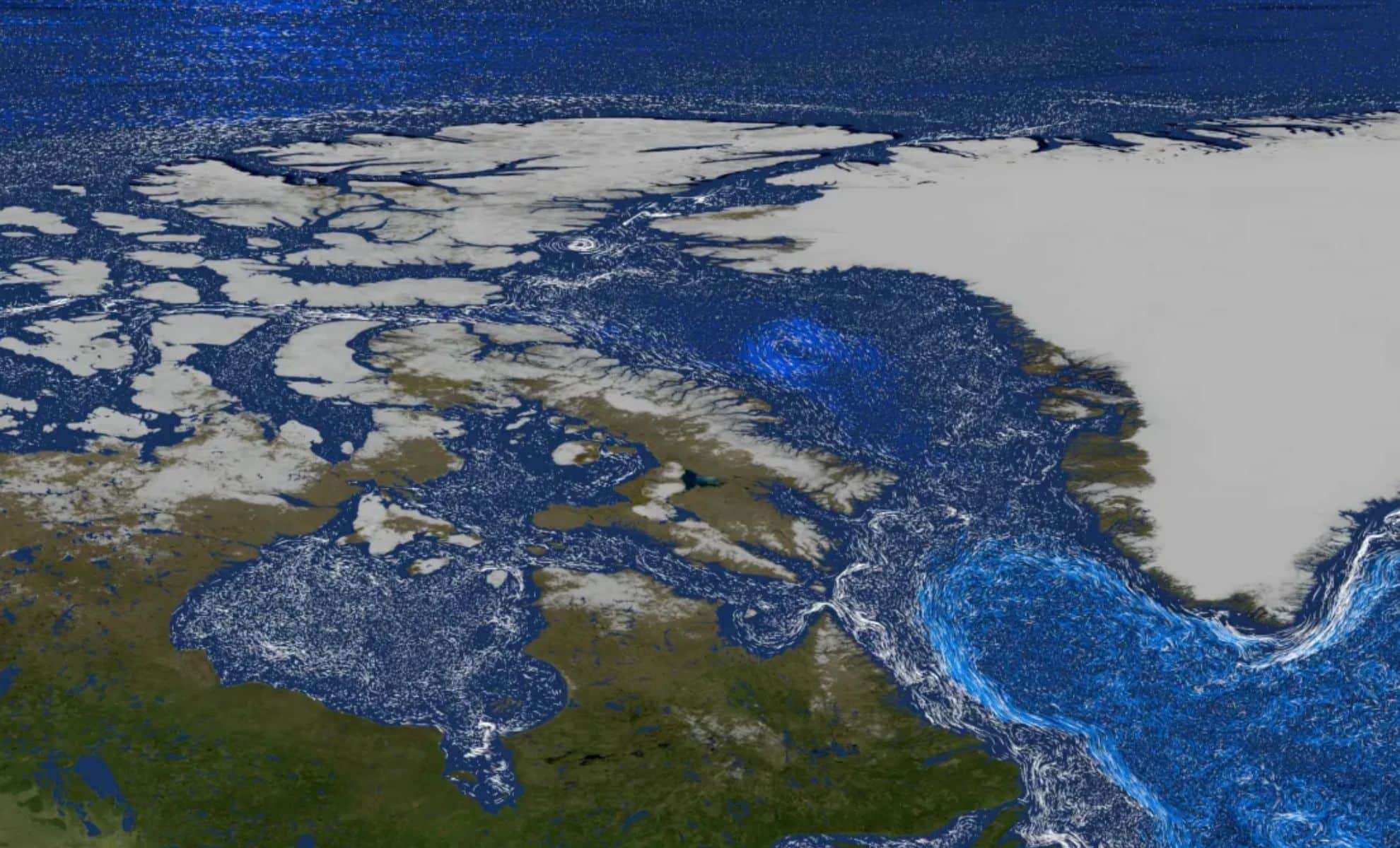
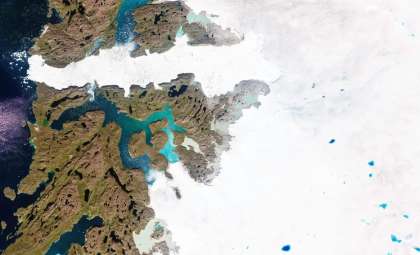
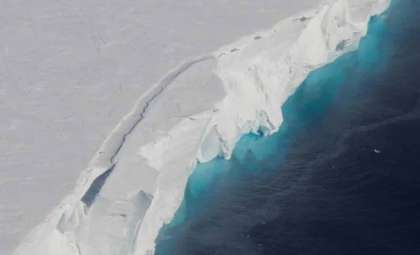
Greenland’s vast ice sheet is diminishing rapidly, triggering significant changes in the surrounding environment and marine ecosystems. A groundbreaking study featured in Nature Communications: Earth & Environment (2025) delves into how the influx of glacial meltwater influences marine food chains. Supported by NASA and employing cutting-edge computational methods from the Jet Propulsion Laboratory (JPL) and MIT, the study sheds light on the consequences of climate warming and escalating ice loss in the Arctic. Utilizing supercomputing power, the research simulated ecological and physical processes near one of Greenland’s most dynamic glaciers, revealing novel insights about the relationship between melting ice and ocean life.
The Crucial Role of Phytoplankton in Arctic Ocean Changes
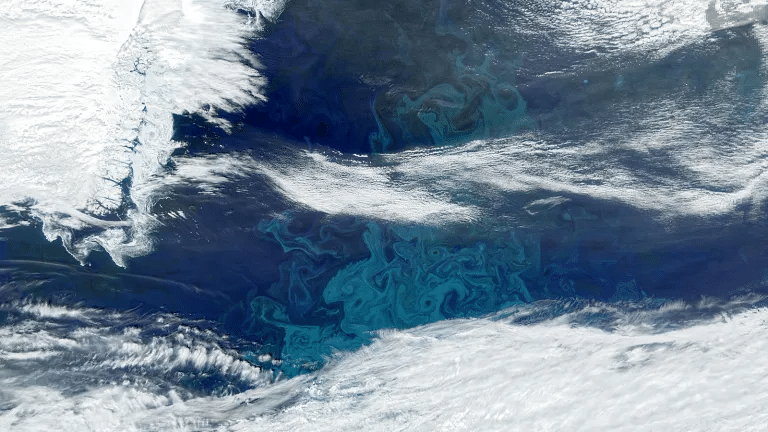
Phytoplankton, though microscopic, are vital to ocean health, forming the base of marine food chains and acting as important carbon absorbers. These tiny organisms capture atmospheric CO2 and serve as the primary nourishment for creatures like krill, fish, and whales. Earlier observations indicated a roughly 57% rise in Arctic phytoplankton growth from 1998 to 2018.
The new research attributes much of this increase to enhanced melting of glaciers, especially the Jakobshavn Glacier (also known as Sermeq Kujalleq). The accelerated ice melt introduces fresh water rich in nutrients such as iron and nitrate from deeper ocean layers into the upper waters. During summer, when nutrients from previous blooms deplete, this fresh supply promotes phytoplankton proliferation. Oceanographer Dustin Carroll notes, “We were faced with this classic problem of trying to understand a system that is so remote and buried beneath ice. We needed a gem of a computer model to help.” His comment highlights the challenges of investigating complex, inaccessible environments.

Phytoplankton underpin marine ecosystems, feeding smaller species that sustain larger animals. While nutrient influx from glacial melt may boost this activity, the eventual ecological outcomes remain uncertain due to other factors like warming seas and changing salinity patterns.
Harnessing Supercomputers to Model Ocean Ecosystems
To unravel the interplay of biological, chemical, and physical elements in Greenland’s coastal waters, scientists employed Estimating the Circulation and Climate of the Ocean-Darwin (ECCO-Darwin), an advanced oceanographic model. Drawing on decades of data—including temperature, salinity, and ocean floor pressures—this tool simulates intricate marine ecosystem behaviors with remarkable precision, helping predict the long-term effects of glacier melt.
Michael Wood, lead author and computational oceanographer, shared the complexities faced: “We reconstructed what’s happening in one key system, but there’s more than 250 such glaciers around Greenland. We plan to extend our simulations to the whole Greenland coast and beyond.” The simulations suggest that runoff from Greenland’s largest glaciers may elevate phytoplankton growth by 15-40% near Jakobshavn Glacier by bringing nutrient-rich deep water to the surface, effectively fertilizing these ecosystems.
This sophisticated modeling required NASA’s supercomputing facilities at Ames Research Center, enabling vast-scale simulations that integrate multiple factors for accurate Arctic ecosystem forecasts. While increased phytoplankton growth may support marine species, full ecological consequences will need further investigation and extended monitoring.
Broader Applications for Climate Impact Modeling
This research on Greenland is part of a wider initiative to unravel climate change effects across global oceans. The computational techniques developed are highly adaptable to other regions. Wood explained, “We didn’t build these tools for one specific application. Our approach is applicable to any region, from the Texas Gulf to Alaska. Like a Swiss Army knife, we can apply it to lots of different scenarios.”
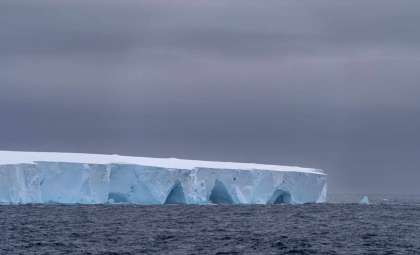
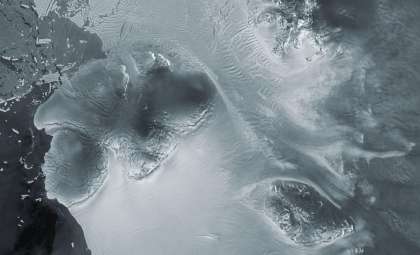
By expanding these simulations beyond Greenland, scientists intend to explore analogous climate-related phenomena in places like Alaska, the Canadian Arctic, and Antarctica. Though each area faces distinct challenges, using consistent modeling approaches allows researchers to better comprehend how warming and melting glaciers are reshaping marine ecosystems worldwide.
- Categories:
- News



0 comments
Sign in to Comment