
Scientists using NASA’s Mars Reconnaissance Orbiter (MRO) have identified the largest recently formed impact crater on Mars, spotted by a camera originally designed for weather observation. The strikingly fresh crater, measuring approximately 50 meters across, came into existence in 2012 and was detected thanks to the Mars Color Imager (MARCI), an instrument typically utilized to track atmospheric conditions on the Red Planet. This finding enhances our understanding of both Mars’ surface evolution and meteorite impact processes.
The Role of MARCI in Uncovering Martian Surface Changes
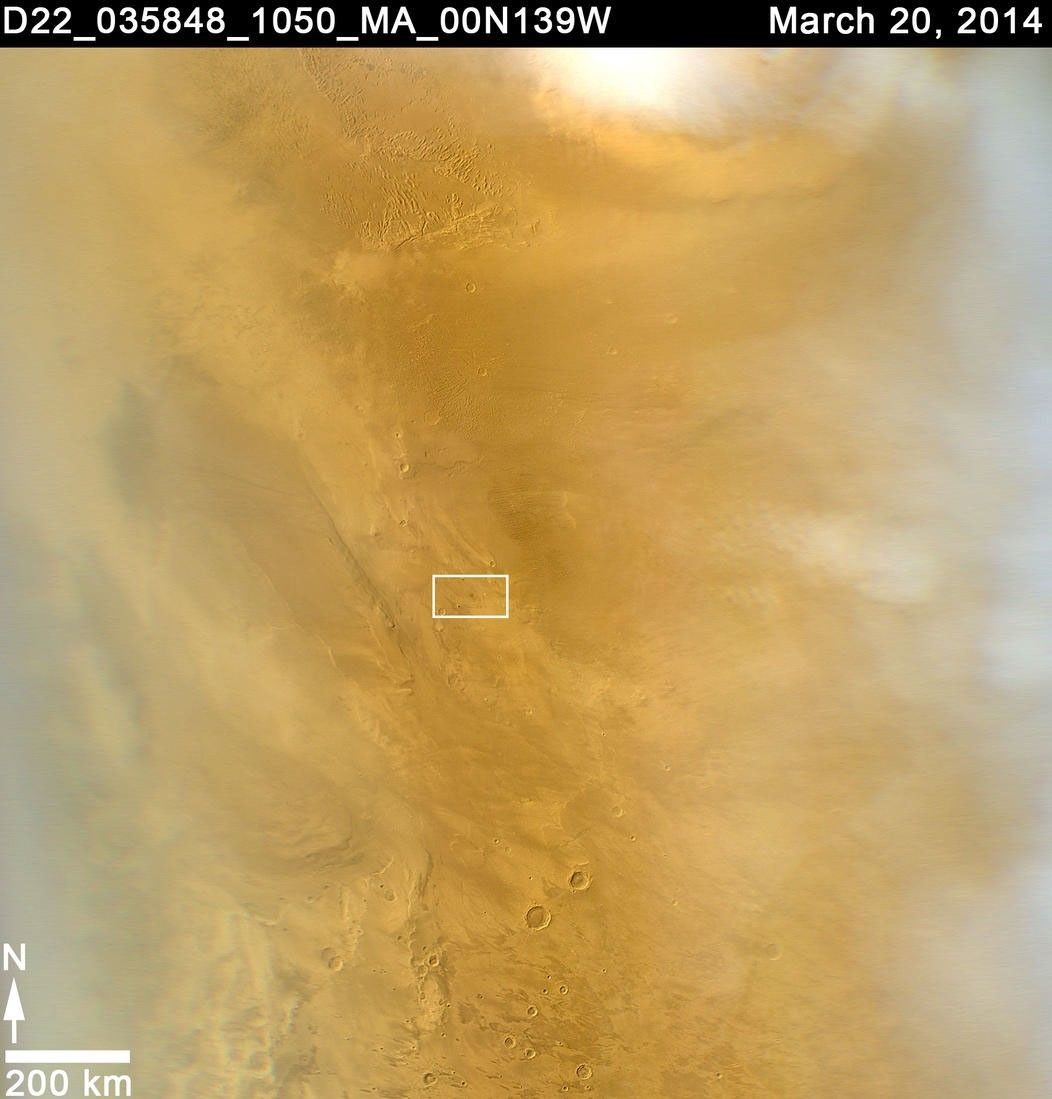
The discovery occurred during routine monitoring of Martian weather. Bruce Cantor, MARCI’s deputy principal investigator at Malin Space Science Systems, spotted an unusual dark feature near Mars’ equator while reviewing daily imagery. NASA’s Jet Propulsion Laboratory reports that although the mark initially resembled a standard weather pattern, the distinctive rays radiating from a central point revealed it was something different.
“It wasn’t what I was looking for. I was doing my usual weather monitoring and something caught my eye. It looked usual, with rays emanating from a central spot.”
Add Cosmo Herald as a Preferred Source

Further inspection of archived images showed that this dark patch only appeared after March 27, 2012. Cantor carefully examined nearly 40 photos taken before and after the event, confirming that the crater was created between March 27 and 28, 2012. Remarkably, this huge discovery was made using MARCI, designed for observing weather, rather than specialized high-resolution imaging instruments like CTX or HiRISE onboard MRO.
Analyzing the Characteristics of the Recent Crater
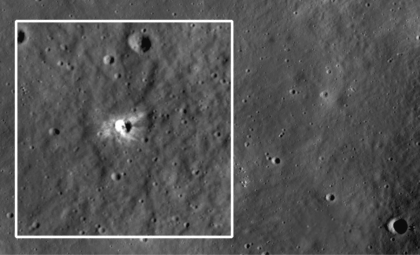
NASA’s official statement reveals the crater’s dimensions are roughly 159 feet (48.5 meters) by 143 feet (43.5 meters), and it is relatively shallow compared to other Martian craters. The impactor responsible is believed to have been an asteroid approximately 10 to 18 feet long, much smaller than the meteoroid responsible for the 2013 Chelyabinsk event on Earth.
HiRISE imagery further uncovered several smaller craters nearby, likely formed by debris or secondary impacts generated by material ejected during the collision. The surrounding terrain displayed signs of landslides, indicating how the shockwave from the impact altered the Martian landscape.
“Studies of fresh impact craters on Mars yield valuable information about impact rates and about subsurface material exposed by the excavations,” commented Leslie Tamppari, deputy project scientist for the Mars Reconnaissance Orbiter mission at NASA’s Jet Propulsion Laboratory. “The combination of HiRISE and CTX has found and examined many of them, and now MARCI’s daily coverage has given great precision about when a significant impact occurred.”
- Categories:
- Space






0 comments
Sign in to Comment