
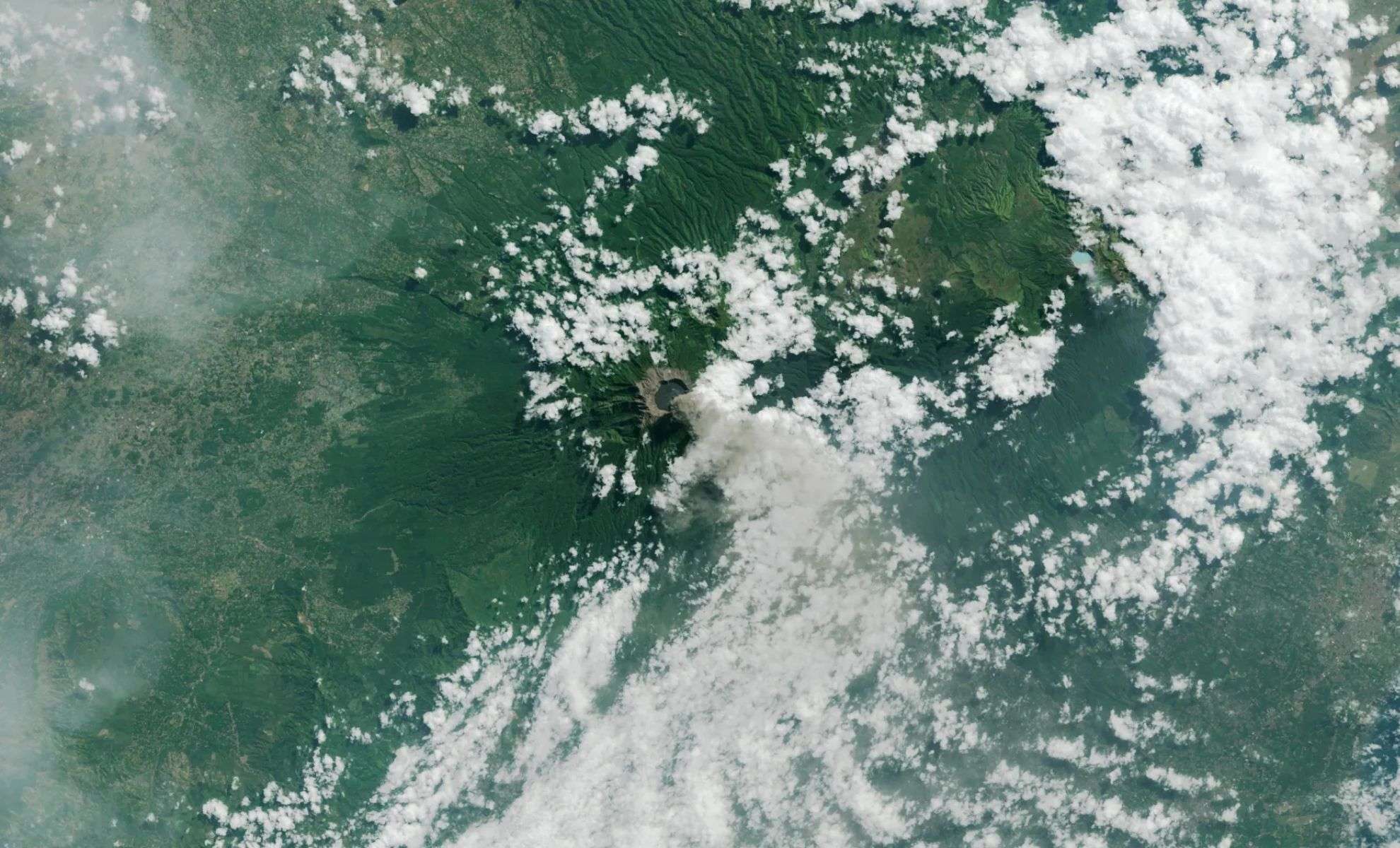
NASA is testing advanced onboard artificial intelligence technology that could revolutionize how satellites monitor Earth by autonomously deciding which data to prioritize. In a recent demonstration, a satellite independently identified cloud coverage, processed the data onboard, and determined within 90 seconds whether to capture or skip an image—entirely without human intervention.
Enabling Satellites to Make Real-Time Decisions
The innovation, known as Dynamic Targeting, has been developed over the last decade at NASA’s Jet Propulsion Laboratory in Southern California. This approach advances spacecraft autonomy by allowing satellites to make intelligent choices about data collection while in orbit.
Steve Chien, the lead investigator and AI technical fellow at JPL, described the concept: “Our goal is to have spacecraft behave more like humans, not just capturing data but understanding it and deciding how to act.” Currently, this system helps satellites distinguish between cloud-free skies and cloudy conditions, enabling them to avoid taking photos where images would be obscured, thereby conserving bandwidth and storage.

Onboard AI Enables Cloud Avoidance
The initial test flight was executed aboard CogniSAT-6, a compact CubeSat launched in March 2024. Operated by Open Cosmos and outfitted with an AI chip from Ubotica, this satellite demonstrated the core Dynamic Targeting capabilities: recognizing and sidestepping cloud-covered areas.
Since it lacks a forward-facing camera, the satellite adjusts its position by tilting its optical sensor 40 to 50 degrees ahead along its orbit, capturing both visible and near-infrared images. The onboard AI then analyzes these images using a dedicated algorithm trained to detect clouds. Clear scenes trigger preparations for ground imaging, while clouded views prompt cancellation to preserve storage and power.
Ben Smith from JPL’s Earth Science Technology Office, which supports this project, emphasized the benefits: “Being selective about image captures means prioritizing useful ground data while avoiding uploads of cloud-obstructed images that don’t benefit researchers.”
All processes—from tilting the satellite, analyzing visuals, to updating the imaging plan—are completed within 60 to 90 seconds. Meanwhile, the satellite continues its high-speed path around Earth, orbiting at approximately 17,000 mph in low Earth orbit.
Looking Ahead: From Cloud Avoidance to Rapid Detection
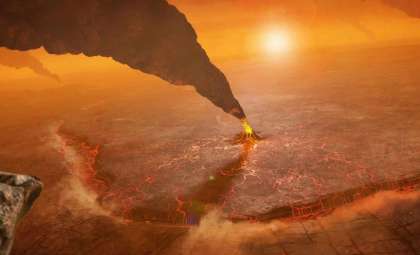
Though current work focuses on skipping cloudy scenes, NASA envisions expanding Dynamic Targeting's capabilities. Future tests aim to reverse the system’s logic: instead of avoiding clouds, satellites will actively seek out intense weather events. Additional algorithms will allow detection of thermal hotspots such as wildfires or volcanic activity, targeting fleeting natural phenomena often missed by current systems.
Each new application will require refined AI models that precisely identify specific conditions, enabling real-time satellite responsiveness. Chien described the initial success as “a major milestone” paving the way for integration into future scientific space missions.
Creating a Network of Smart Satellites
NASA’s strategy includes equipping not just individual satellites but entire constellations with AI. An upcoming concept called Federated Autonomous MEasurement aims to have lead satellites analyze imagery and direct companion satellites to focus on relevant targets, fostering cooperative data collection.
NASA is also exploring Dynamic Targeting for deep-space applications. Previous experiments with autonomous plume detection utilized data from ESA’s Rosetta orbiter to identify emissions from comet 67P/Churyumov-Gerasimenko.
On Earth, this technology could be adapted for radar instruments to monitor rapidly evolving phenomena like intense convective ice storms, employing forward-looking sensing to capture these extreme weather events as they develop. The overarching goal is to deploy flexible, adaptive instruments capable of providing groundbreaking measurements for a variety of missions.
- Categories:
- News









0 comments
Sign in to Comment