
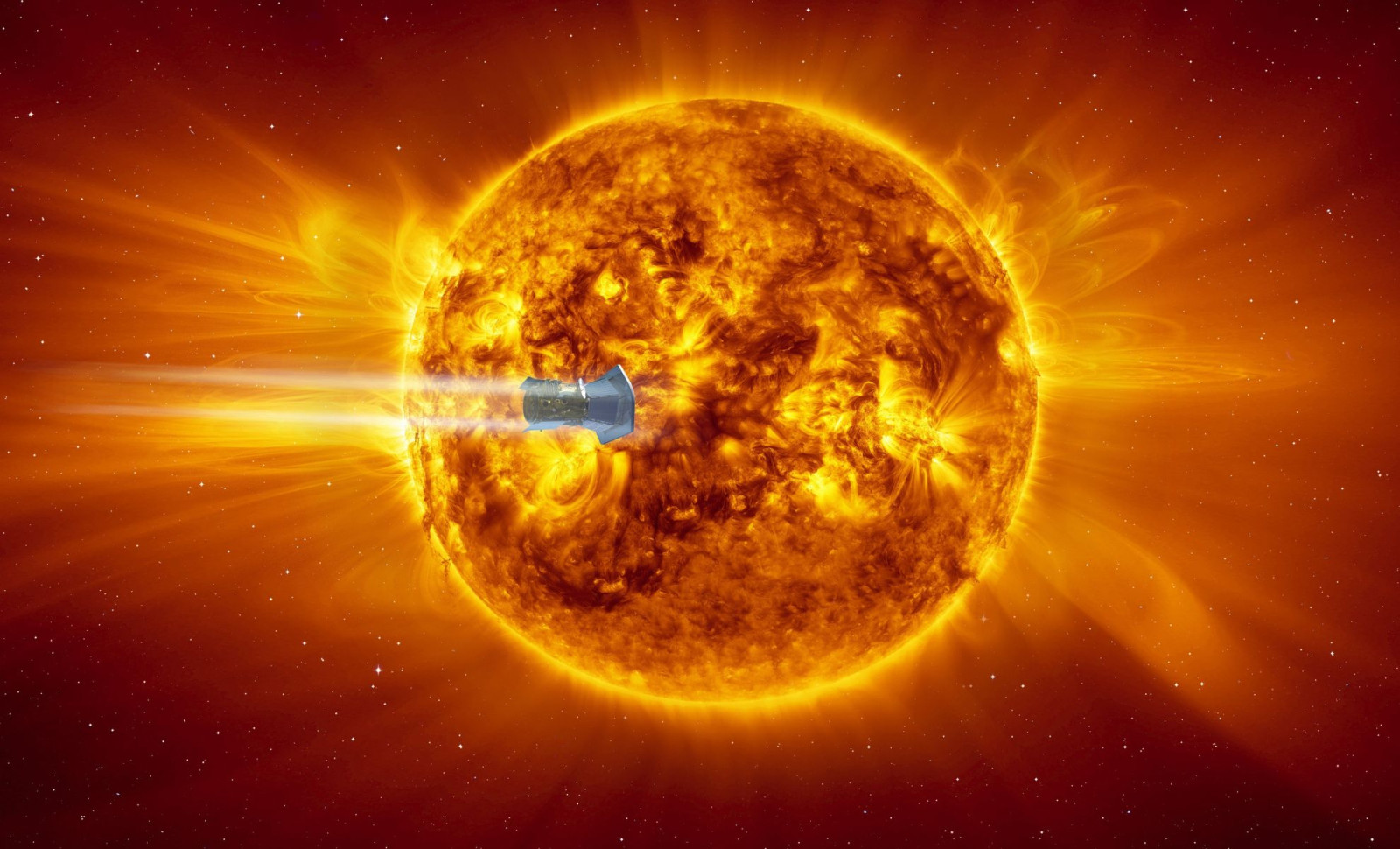
NASA’s Parker Solar Probe has delivered groundbreaking observations revealing the behavior of scorching plasma near the Sun’s surface, deepening scientists’ understanding of the origins of the solar wind. A research group from the University of Arizona has translated these close-range measurements into new knowledge about the dynamic boundary between magnetic fields and gas surrounding our star.
Featured in Geophysical Research Letters, the paper presents detailed data collected during the spacecraft’s closest approaches, highlighting a complex zone where charged particles and magnetic forces interact intensely. These discoveries promise to enhance solar weather forecasting, a crucial factor affecting Earth and the entire solar system.
Kristopher Klein, a plasma physicist at the Lunar and Planetary Laboratory, emphasizes the importance of understanding the Sun’s atmospheric conditions to predict when solar disturbances may impact our planet. Before Parker’s mission, existing predictions were largely based on incomplete theories lacking in situ data.

Exploring the Sun’s Outer Atmospheric Layers
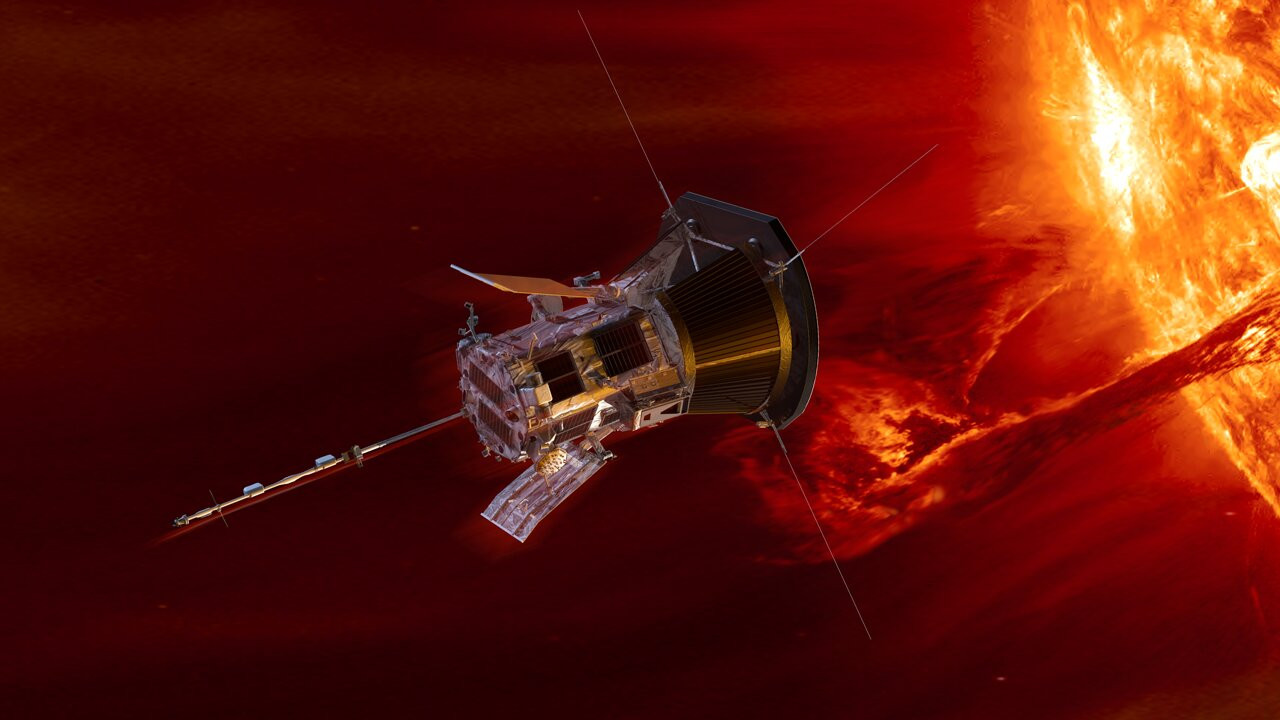
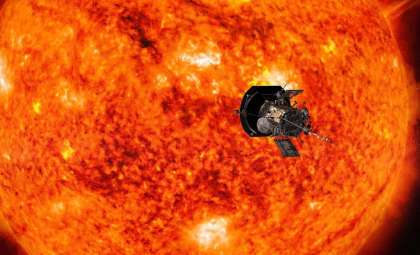
The Parker Solar Probe, launched in 2018, follows an elliptical path around the Sun, using Venus’ gravity for acceleration. During one record-setting approach, the probe came within a mere 3.8 million miles of the Sun’s surface, gathering fine-scale details about the corona, the Sun’s hot gaseous envelope extending millions of miles into space.
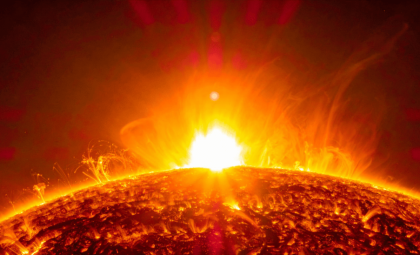
According to reports from the University of Arizona, the corona exhibits unusual temperature fluctuations. The plasma emerging from the solar core cools down to roughly 10,000°F in the visible photosphere before astonishingly heating back up beyond 2 million°F in the outer corona. This temperature spike results from charged particles’ interactions with powerful magnetic fields that twist and snap fiercely.
Prior to these close observations, hypotheses about this behavior depended on indirect data and theoretical particle models. The Parker probe’s direct measurements now offer unprecedented clarity about where and how the solar wind originates.
Using ALPS to Decode Solar Particle Activity
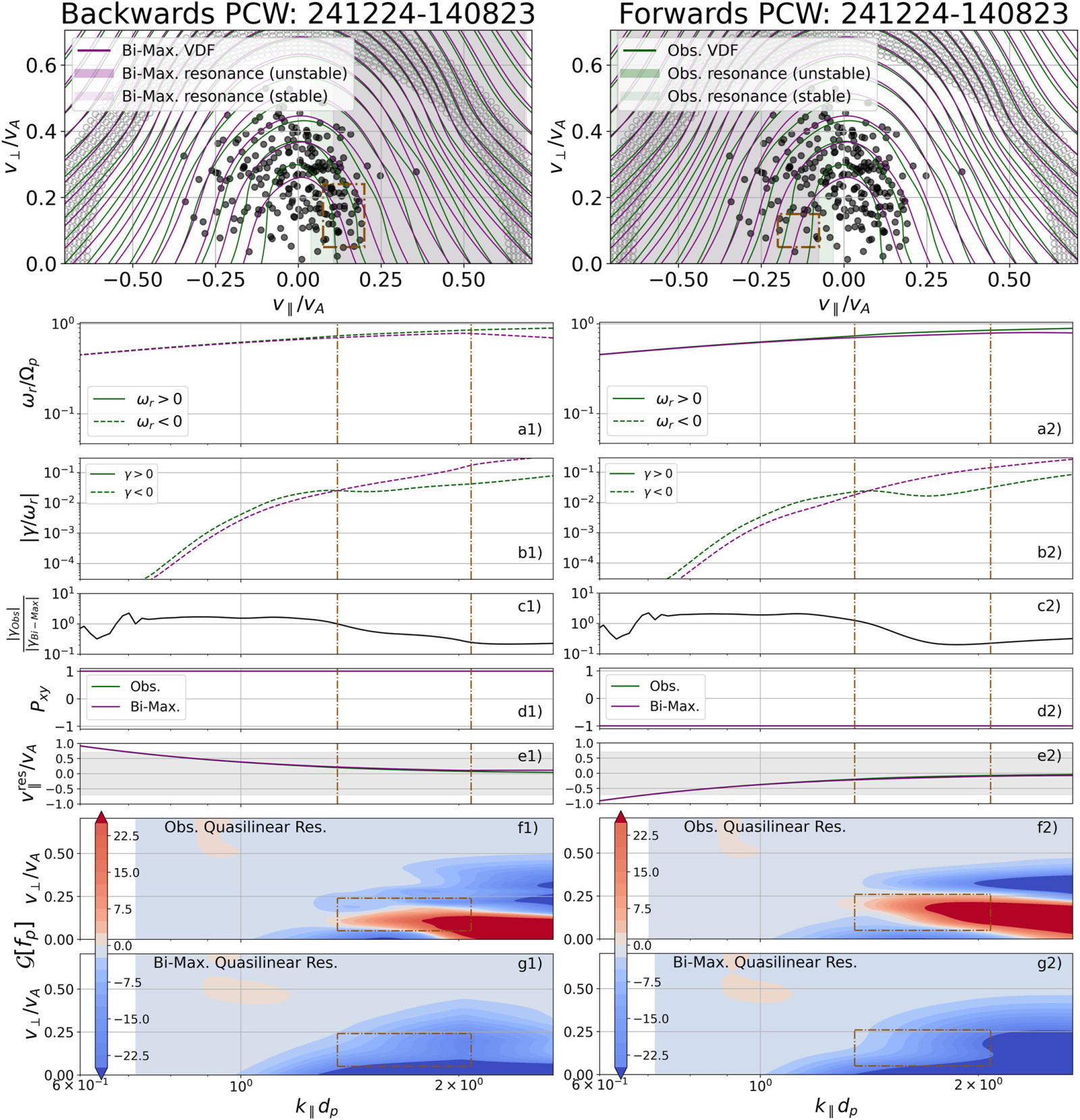
To interpret these intricate datasets, Klein’s team introduced the Arbitrary Linear Plasma Solver (ALPS), a sophisticated computational tool. ALPS enabled researchers to investigate the response of individual particles to plasma waves traveling through the Sun’s atmosphere, moving beyond prior simplistic assumptions to evaluate the precise energy transfer taking place.
“We know there’s this constant heat that’s being input into the solar wind,” said Klein, “and we want to understand what mechanisms are actually leading to that heating.”
The findings reveal that particles cool more slowly than previously anticipated while moving outward from the solar surface. This gradual heat loss, termed damping, remains an area of ongoing investigation but highlights new complexities in how energy moves through the Sun’s extended atmosphere.
Solar Emissions Influence Our Cosmic Neighborhood
Accurate measurements of particle heating and energy dissipation are crucial for forecasting space weather. Klein notes that enhanced models informed by Parker’s data will help predict the trajectory and impact of solar outbursts like coronal mass ejections on Earth’s magnetosphere.
Such solar events can disrupt satellite communications and pose radiation threats to high-altitude flights near the poles. For scientists and aerospace engineers alike, anticipating these effects is vital. Importantly, the phenomena Parker has uncovered are not limited to our Sun. As the team explains:
“If we can understand the damping in the solar wind, we can then apply that knowledge of energy dissipation to things like interstellar gas, accretion disks around black holes, neutron stars and other astrophysical objects.”
Through unraveling our star’s plasma dynamics in exquisite detail, these discoveries could shape the future of studying related cosmic environments throughout the universe.
- Categories:
- Nasa






0 comments
Sign in to Comment