
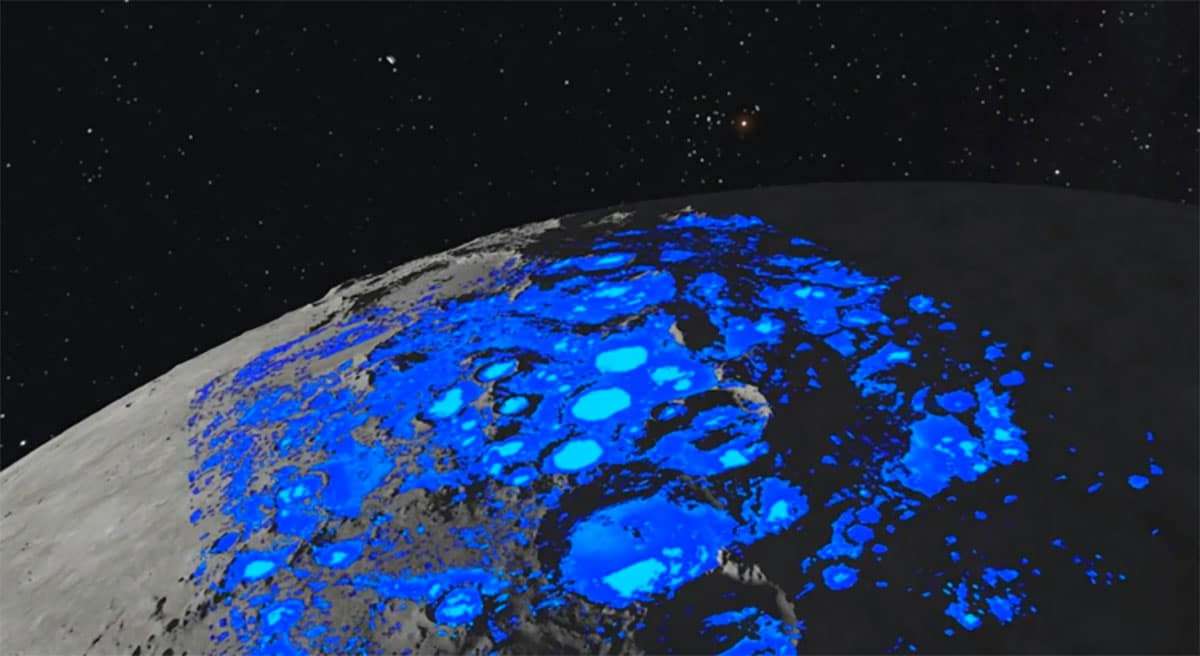
The Moon, once regarded as a dry and lifeless orb, is now revealing surprising amounts of water extending over its entire exterior. Thanks to NASA’s VIPER mission, scientists have identified water distributed across the lunar surface, a finding that revolutionizes our understanding and paves the way for enhanced exploration and future lunar settlements.
Discovering water beyond the lunar poles
Traditionally, lunar water was thought to be limited to shadowed polar craters. Yet, research now shows water exists widely on the Moon’s surface, not just near the poles. This advancement comes from cutting-edge spectral imaging and detailed data interpretation.
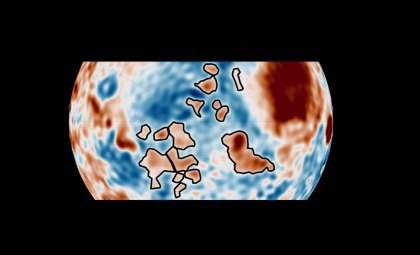
Key to this breakthrough was the Moon Mineralogy Mapper (M3) aboard India’s Chandrayaan-1 spacecraft. Using infrared spectral analysis of the lunar soil, M3 identified unmistakable signs of water and hydroxyl molecules spread across various locations on the Moon.

Roger Clark, a specialist in planetary science at the Planetary Science Institute, notes, “Water resources could be tapped even close to the lunar equator, easing access for astronauts.” This wider distribution holds significant promise for future space missions and the establishment of lunar habitats.
Understanding the Moon’s water cycle
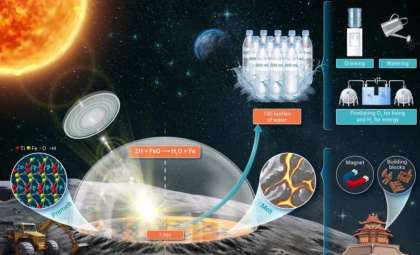
Water on the Moon is part of a dynamic geological cycle rather than a fixed presence. Observations indicate water forms post-impact events and gradually dissipates under the influence of solar wind over millions of years. This process produces hydroxyl when solar wind hydrogen bonds with surface oxygen.
The lunar water cycle integrates several mechanisms:
- Formation of impact craters
- Volcanic processes
- Interaction with solar wind particles
- Cosmic bombardment by meteorites and asteroids
Together, these influences deliver and redistribute water-bearing materials, creating a nuanced geological mix that includes both subsurface water and surface hydroxyl layers.
Significance for upcoming lunar expeditions
The discovery of extensive lunar water has vital implications for future space missions. NASA's partnership with Intuitive Machines for a crucial south pole mission demonstrates the strategic value of these water-rich zones.
Water extracted from the Moon could support various needs:
PurposeUseLife supportHydration and producing breathable oxygenRocket fuelGenerating hydrogen and oxygen propellantsFood cultivationSupporting hydroponic agriculture systemsScientific studiesInvestigating lunar geology and water behavior
Utilizing resources extracted on-site, known as in-situ resource utilization (ISRU), will cut costs and logistical challenges by reducing the reliance on Earth-supplied materials.
Transforming our view of the Moon
Uncovering water spread throughout the Moon signals a dramatic shift in how we perceive Earth’s satellite. It debunks the image of a dry, barren rock and opens up fresh scientific and exploratory opportunities.
This discovery raises important questions:
- How does water concentration differ between lunar terrains?
- What is the overall amount of water trapped on the Moon?
- What are the best methods for extraction and use of lunar water?
- How does water presence inform us about the Moon’s history and development?
Answers to these queries will drive upcoming investigations and shape future mission designs, potentially transforming lunar exploration and our broader knowledge of the solar system. As humanity prepares for sustained activities beyond Earth, this revelation about the Moon’s water abundance will be pivotal in supporting those ambitions.
- Categories:
- Nasa








0 comments
Sign in to Comment