
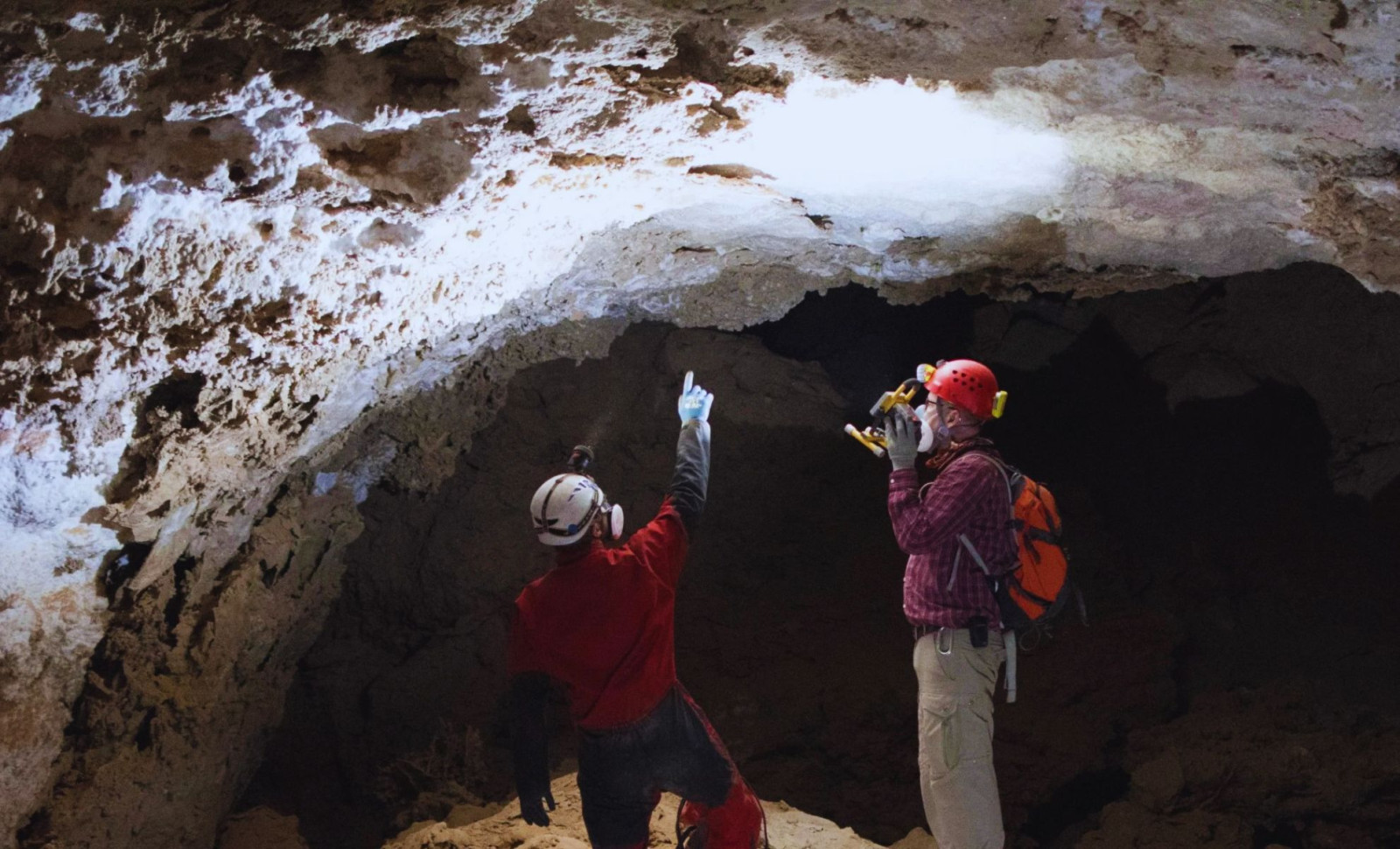
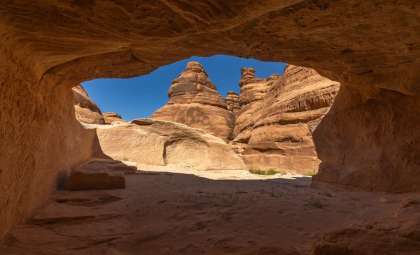
Contrary to its current arid state, the Saharo-Arabian desert was historically a much wetter region, as cave findings indicate. Recent studies reveal that the area repeatedly transformed into a lush environment with flowing rivers and lakes, facilitating the movement of animals and early humans across Africa and Eurasia over the last 8 million years.
This discovery reshapes the scientific perspective on this desert. Far from being an impassable barrier, Arabia functioned as a dynamic passageway that alternated between green corridors and dry expanses in response to climatic shifts. Published in Nature and supported by the Saudi Heritage Commission, the investigation melds fossil evidence with cave-based climate data.
Previously, the prevailing belief was that this desert region had remained largely unchanged for over 11 million years. However, new findings highlight multiple periods of increased humidity that converted the desert into fertile and interconnected landscapes temporarily.

Fauna Traveled Through a Verdant Passage
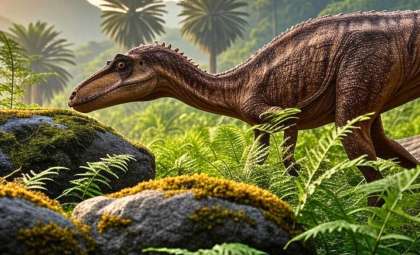
Fossil records provide compelling proof. Scientists have uncovered remains of crocodiles, hippopotamids, horses, and proboscideans in zones that are currently some of the driest on Earth. As noted by Michael Petraglia from Griffith University, the survival of these species depended on the presence of permanent water systems, indicating that ancient rivers and lakes once existed here.
According to the recent research featured in the journal Nature, these fossils are dated to the Late Miocene and Pleistocene epochs. During these epochs, the Arabian region experienced intervals of enhanced precipitation, creating natural corridors that animals could use to migrate between the continents. As he remarked in a Griffith University statement:
“These wetter conditions likely facilitated these mammalian dispersals between Africa and Eurasia, with Arabia acting as a key crossroads for continental-scale biogeographic exchanges.”
Cave Deposits Reveal Millennia of Climate Shifts
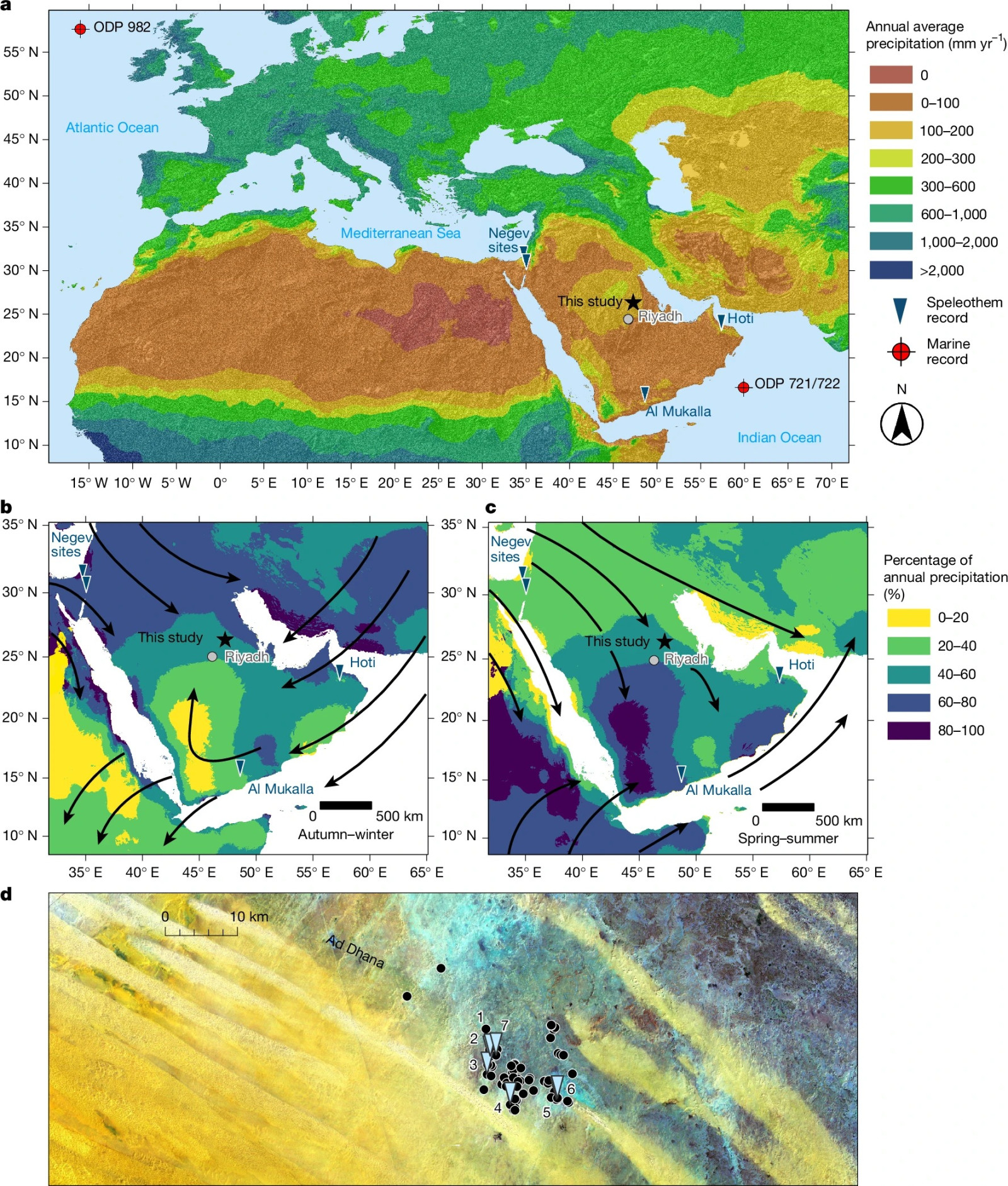
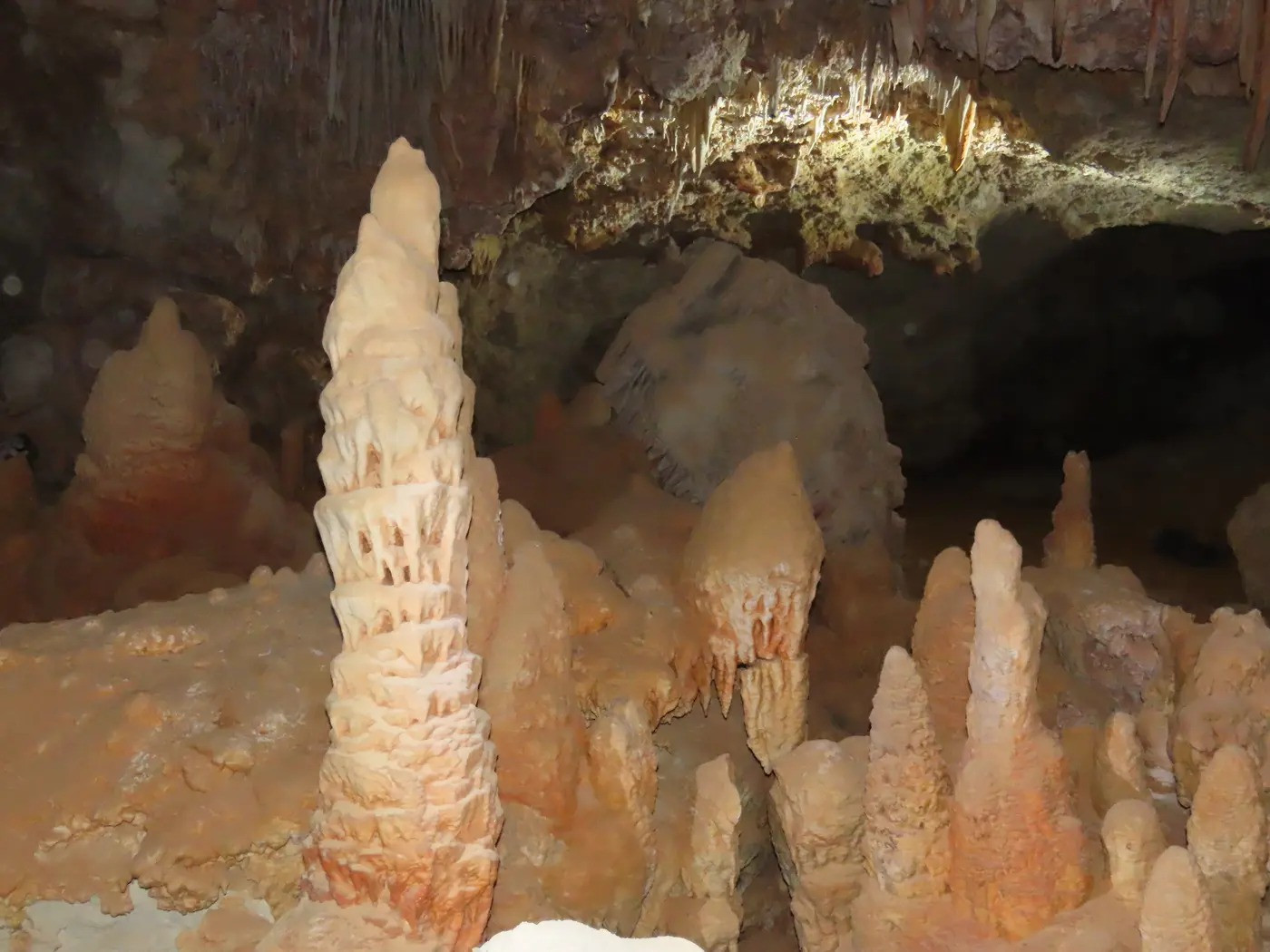
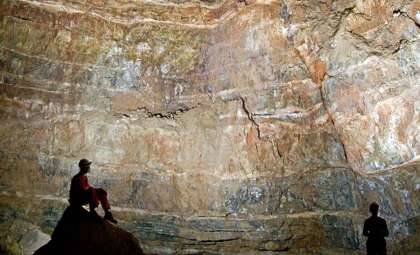
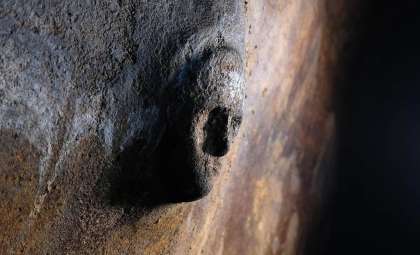
Beyond fossils, the study examined speleothems—cave minerals such as stalactites and stalagmites that chronicle past environmental conditions. Research led by Monika Markowska of Northumbria University and Hubert Vonhof from the Max Planck Institute for Chemistry reveals a record of repeated humid intervals lasting millions of years throughout Arabia’s history.
“Our findings highlighted that, as the monsoon’s influence weakened over time, precipitation during humid intervals decreased and became more variable,” she said “This coincided with enhanced polar ice cover over the Northern Hemisphere during the Pleistocene epoch. Our research is one of the longest terrestrial records ever published.”
Analysis of these cave formations shows that rainfall patterns grew less consistent over time as monsoon intensity diminished. This climatic transition aligns with the expansion of ice sheets in the Northern Hemisphere during the Pleistocene, underscoring the connection between regional hydration and global climate dynamics.
A Vital Corridor for Species Migration
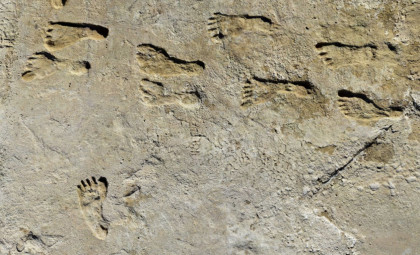
The cumulative evidence suggests that Arabia served as a vital thoroughfare rather than an impenetrable obstacle. As described by Faisal al-jibrin of the Saudi Heritage Commission, the region has been underrepresented in migration studies, yet it was pivotal for the dispersal of both animals and early human populations linking Africa and Eurasia.
“Arabia has traditionally been overlooked in Africa-Eurasia dispersals, but studies like ours increasingly reveal it central place in mammalian and hominin migrations,” he explained.
During arid periods, these corridors would disappear, isolating species once again. This environmental seesaw sheds light on how species traversed continents despite the current presence of one of the planet’s largest deserts.
- Categories:
- Science



0 comments
Sign in to Comment