
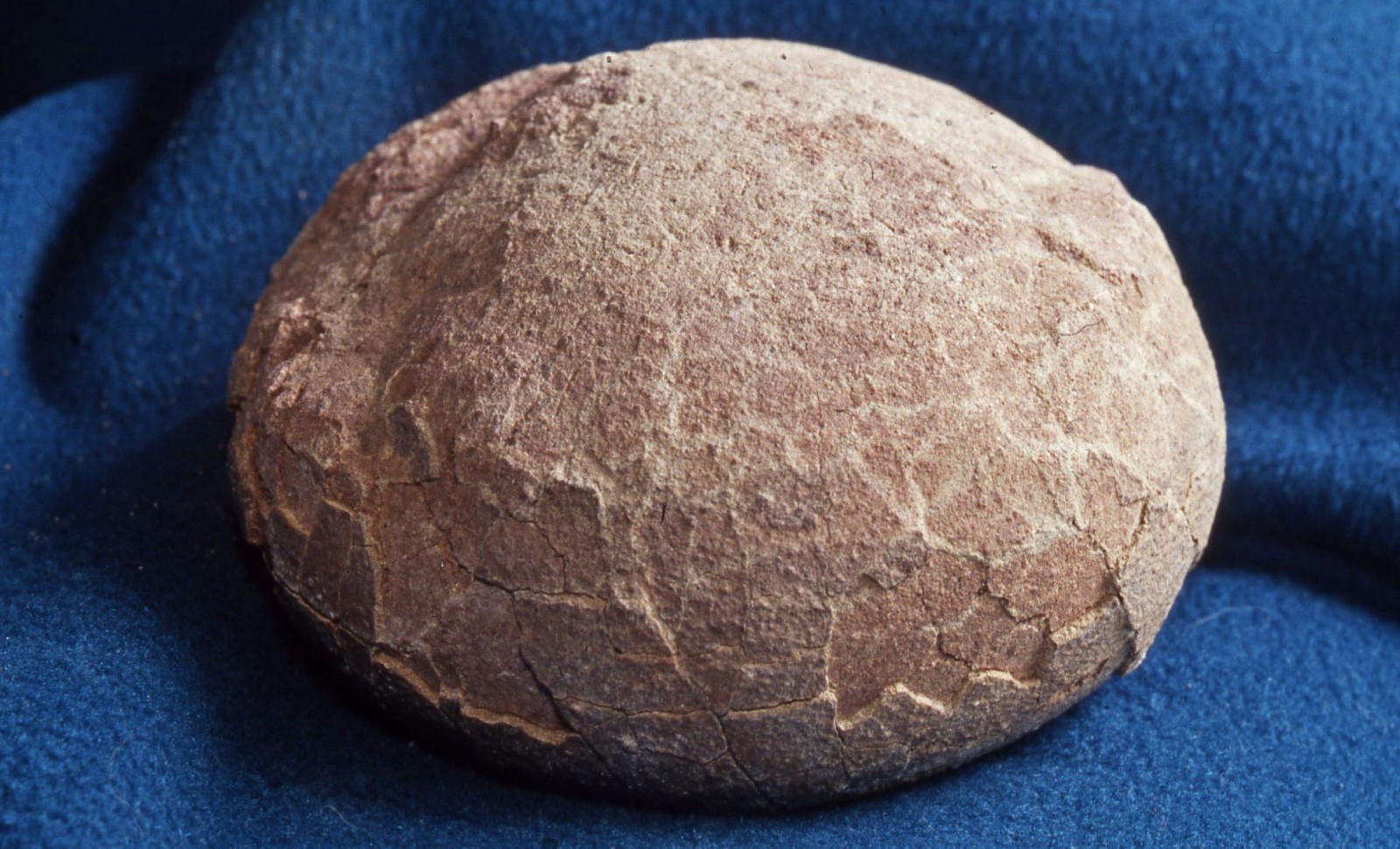
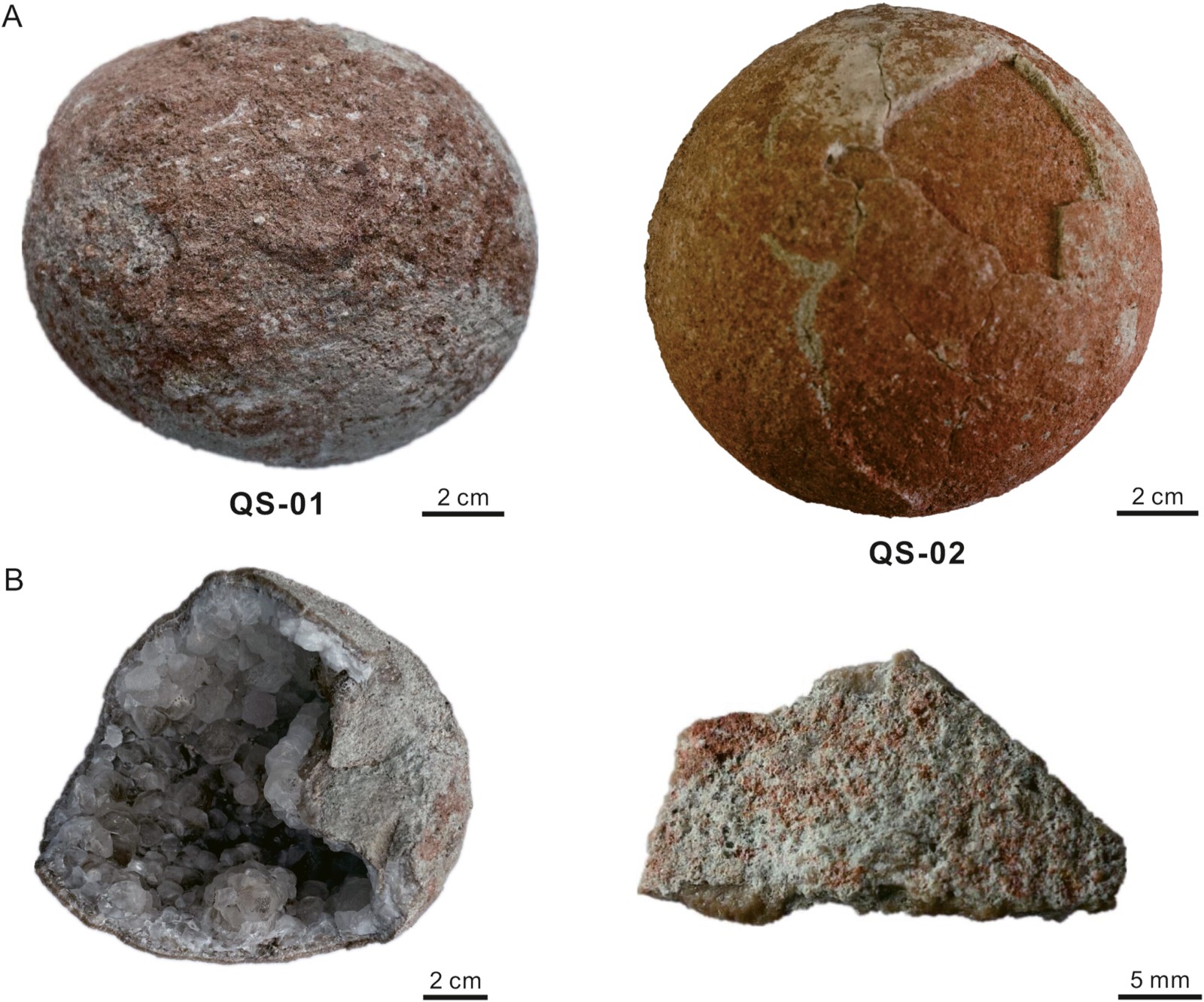
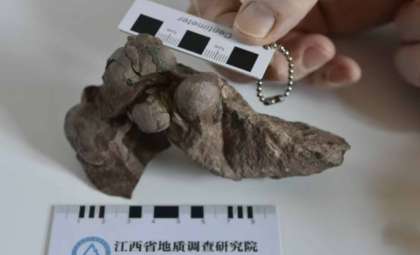
Researchers have uncovered two sizable fossilized dinosaur eggs containing natural crystal formations in eastern China's Anhui province. Found within the Qianshan Basin, these nearly round eggs have been identified as belonging to a newly recognized oospecies: Shixingoolithus qianshanensis.
A study featured in the Journal of Palaeogeography explains that while three eggs were initially excavated, only two remain intact; the third is currently missing and still being sought. The preserved eggs exhibit remarkably intact calcite crystals lining their interiors, capturing the attention of paleontologists exploring fossilization mechanisms and dinosaur reproductive habits.
Compact and Nearly Spherical in Form
The Qianshan Basin, shaped by ancient volcanic events, has proven to be a noteworthy fossil deposit site. Sediments here have enabled exceptional preservation of prehistoric relics, particularly dinosaur eggs. The referenced research emphasizes this area as part of a larger East Asian fossil hotspot where scientists have cataloged numerous dinosaur egg types spanning various oofamilies and oogenera.

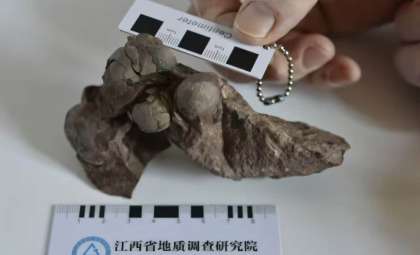
These fossilized eggs range in size from about 4.1 to 5.4 inches long and 3.9 to 5.3 inches wide, roughly the dimensions of small cannonballs. The study describes their shape as almost perfectly spheroidal, similar to other known eggs attributed to ornithopods.
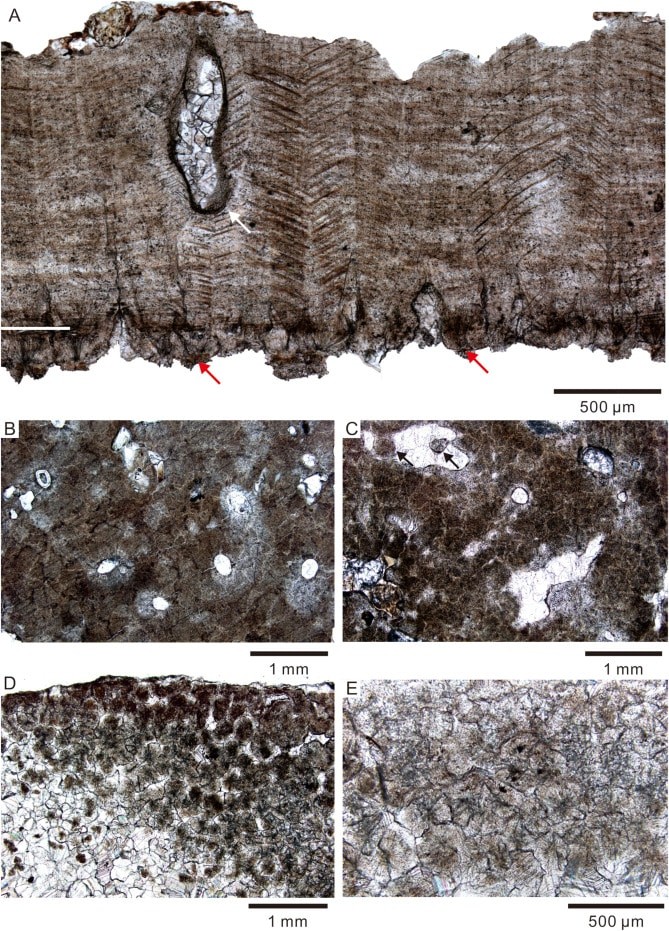
The crystals are composed of calcium carbonate, a mineral commonly found in eggshells, bones, and teeth. Over extended periods, calcium carbonate can detach from the outer shell and gradually develop as crystal deposits on the egg’s interior. Scientists propose these distinct crystalline structures have contributed to the extraordinary preservation of internal features over millions of years.
New Species Identification and Classification
Employing detailed structural and compositional analysis, the two eggs have been categorized as a new oospecies: Shixingoolithus qianshanensis. Earlier findings linked the genus Shixingoolithus to ornithopod dinosaurs, supported by a 2014 study published in Cretaceous Research.
These herbivorous, duck-billed dinosaurs lived from the late Triassic through the Cretaceous and could reach lengths of up to 30 feet. Their eggs were commonly laid in large clutches, with fossils discovered across Asia and North America.
This new taxonomic designation reinforces the diversity of ornithopod nesting grounds in eastern China, although pinpointing the precise dinosaur species responsible will require the discovery of more skeletal remains.
China's Exceptional Record of Dinosaur Eggs
The authors highlight that China hosts abundant fossilized dinosaur eggs, particularly from Upper Cretaceous layers.
“Dinosaur eggs in the Upper Cretaceous of China are characterized by prodigious quantities, abundant types, and wide distribution,” the study authors stated. “Approximately 16 oofamilies and 35 oogenera have been reported in China.”
The favorable geological conditions, including sediment accumulation and past volcanic activity, have played a key role in preserving many specimens, including the recently unearthed eggs in the Qianshan Basin.
As reported by Live Science, the Liaoning province alone has yielded over 60 plant species, close to 90 vertebrates, and hundreds of invertebrates, underscoring the region’s rich paleontological heritage.
- Categories:
- Science

0 comments
Sign in to Comment