
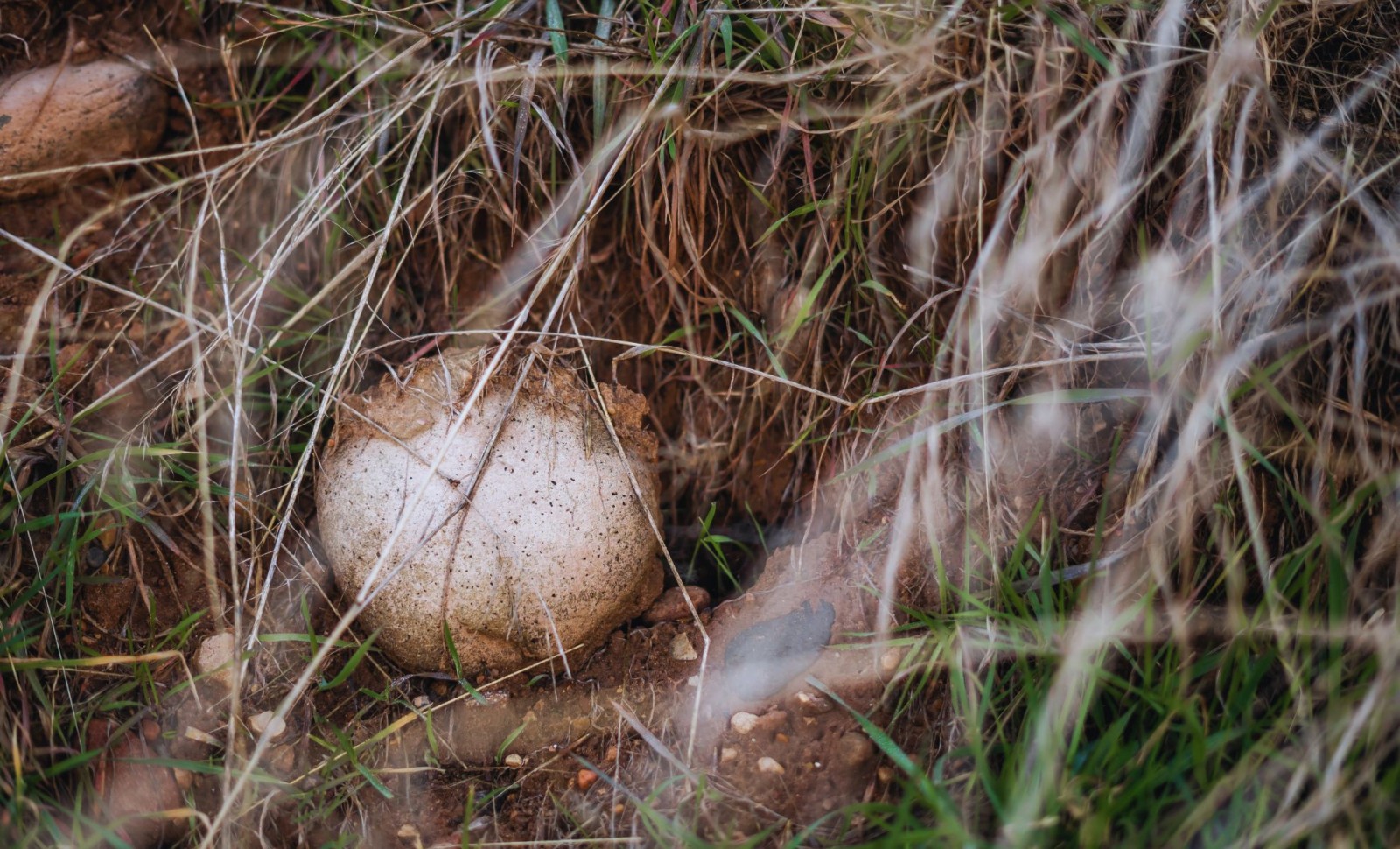
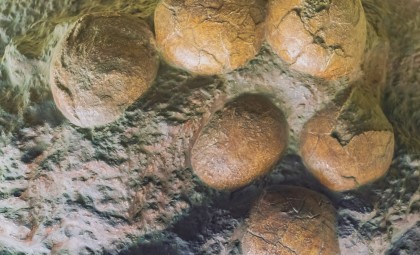
A recently uncovered collection of fossilized eggs in southwestern China is challenging long-standing beliefs in paleontology. Found alongside three adult skeletons of a newly identified dinosaur species, the 200-million-year-old embryos indicate that these prehistoric reptiles may have produced leathery, rather than hard, eggshells.
Excavated from Guizhou Province and dating back to the Early Jurassic period, the fossils have been attributed to a novel species of sauropodomorph called Qianlong shouhu. Published in the journal National Science Review, the discovery includes rare embryonic fossils and offers significant evidence for social nesting habits and notable developmental changes between juveniles and mature individuals.
Eggshells More Leathery than Calcified
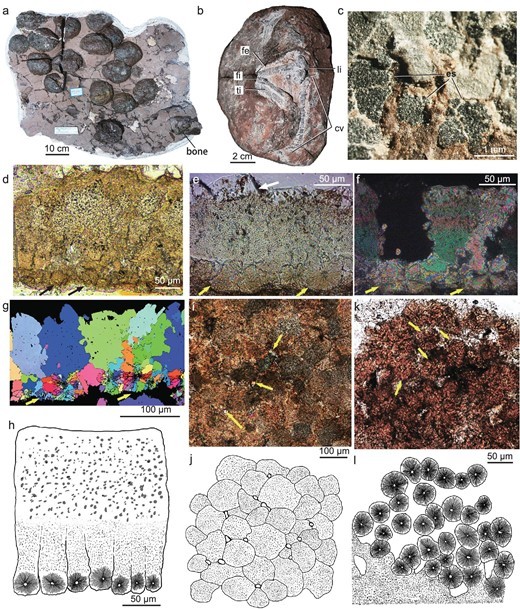
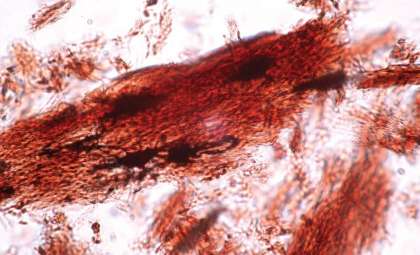
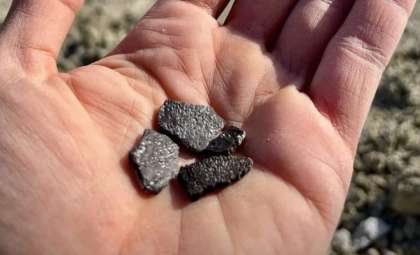
The fossil eggs found with Qianlong shouhu differ from the typically hard, calcified dinosaur eggs previously known. Instead, these specimens featured leathery shells—thicker and more durable than soft-shelled eggs, yet lacking the firm, mineralized coating characteristic of modern bird eggs. The study highlights a well-developed calcareous layer alongside distinct mammillary cones, marking a unique eggshell architecture.

“Our results show that Qianlong shouhu possessed eggshell microstructures similar to other Cretaceous dinosaur egg fossils, which likely consisted of two layers — the mammillary layer and continuous layer — and had fully developed eggshell units,” the researchers explainec.
Leathery eggs exist today among certain reptiles like snakes and lizards, as well as in egg-laying mammals such as the platypus. However, preserving such eggs from the Early Jurassic is extraordinarily uncommon. The eggs were sizeable and laid in clusters, implying a reproductive strategy involving nesting protection and potentially collective behaviors. Prior to this, durable leathery eggs at such an ancient stage had only been inferred indirectly through fossil clues.
Distinct Locomotion in Juvenile Dinosaurs
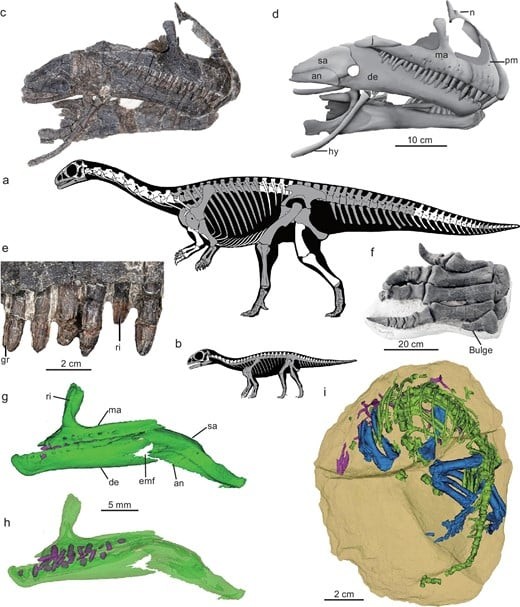
Perhaps even more fascinating than the eggshells are the embryos themselves. Scientists noted distinct morphological differences between the young dinosaurs and their adult counterparts. Juvenile Qianlong shouhu specimens displayed elongated skulls and uniquely shaped snouts.
“Allometric analyses of limb ratios between the adult and embryonic specimens indicate that adult Qianlong shouhu was able to walk on its hindlimbs, but the babies were likely quadrupedal,” said Fenglu Han, a China University of Geosciences paleontologist.
This developmental shift in movement suggests these dinosaurs underwent more complex growth patterns than previously believed. As highlighted in the study, these observations challenge established views about how dinosaur locomotion evolved with age.
Possible Social Nesting Behavior
Besides the fossilized remains themselves, their spatial arrangement implies that these dinosaurs might have nested communally. Researchers discovered five distinct egg clutches adjacent to adult fossils, suggesting Qianlong shouhu could have engaged in colony-style egg laying. Such communal nesting might have provided collective protection or cooperative breeding benefits, although conclusive proof remains elusive. Although social nesting has been proposed for other sauropodomorphs, this represents the earliest solid evidence for such behavior in dinosaur history.
- Categories:
- Science

0 comments
Sign in to Comment