
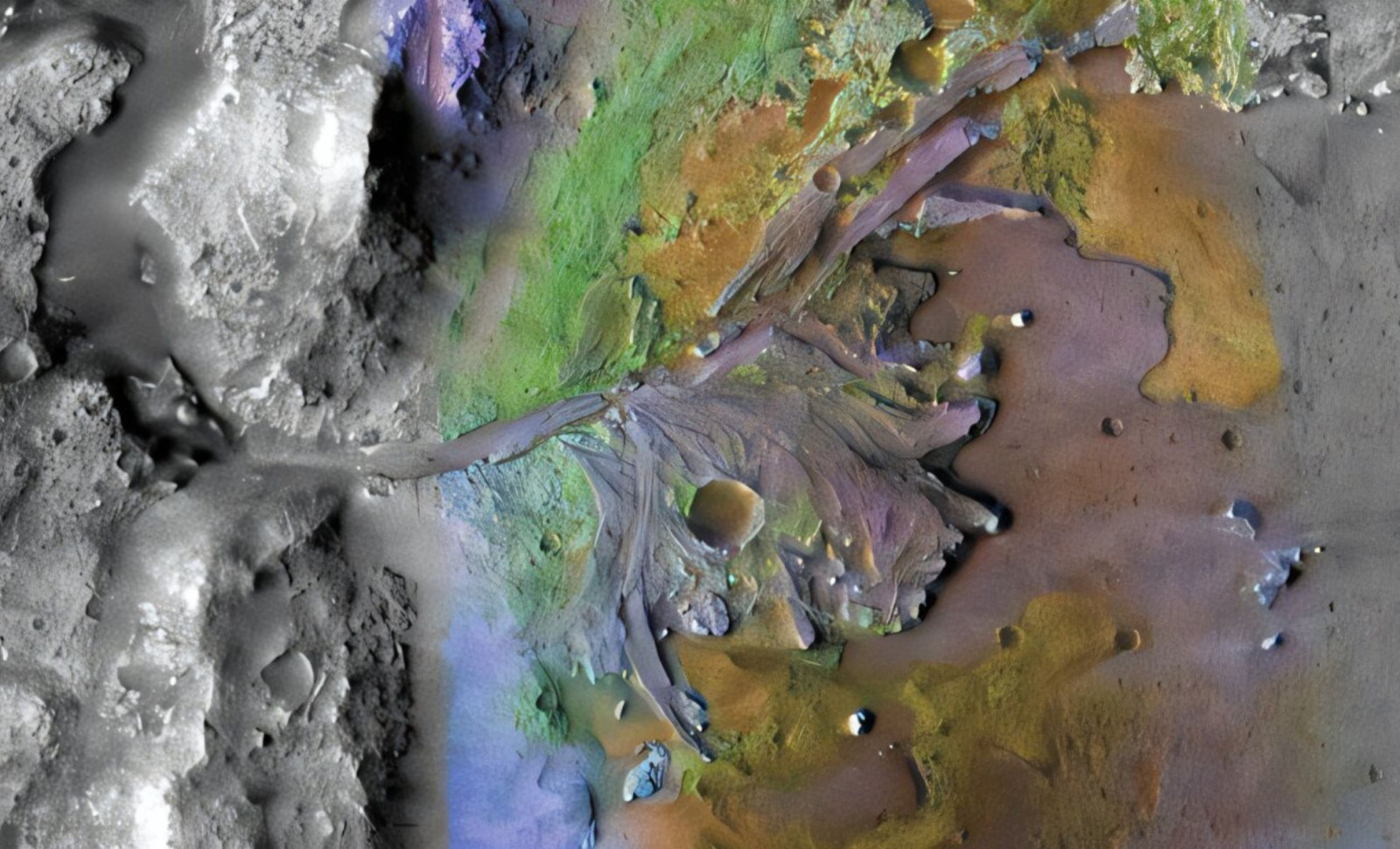
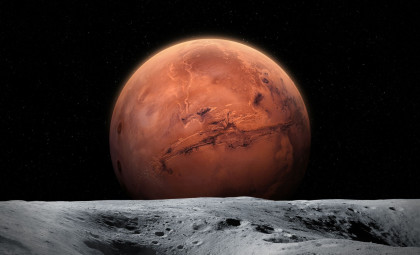
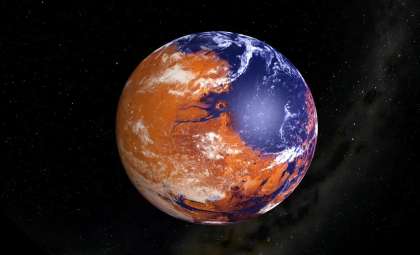
Recent analyses from NASA’s Perseverance Rover indicate that Mars experienced a significantly warmer and wetter climate billions of years ago, overturning prior assumptions that the planet was largely frozen and inhospitable during its early history.
Scientists have been intrigued by Mars’ environmental conditions in the Noachian period, roughly 4.1 to 3.7 billion years ago. Earlier research pointed to a cold, icy world, but fresh data from Perseverance paints a picture of a much milder and potentially life-friendly climate.
The Noachian Era: Marked by Meteorite Collisions
The Noachian epoch coincides with the Late Heavy Bombardment (LHB), a dramatic phase when Mars was bombarded with meteorites. This intense barrage formed enormous impact craters such as the Hellas and Argyre basins, each vast enough to hold the entire Mediterranean Sea.

Despite this violent background, evidence of ancient rivers, shorelines, and lakebeds points to sustained liquid water presence, implying Mars might have been far more accommodating to life than previously believed. The debate has focused on whether icy or warm, wet conditions prevailed during this timeframe.
Emerging View: A Temperate, Water-Rich Mars
Earlier theories held that Mars in the Noachian was mostly cold and frozen, with sporadic melting caused by volcanic eruptions or meteorite impacts. However, research derived from Perseverance’s exploration of Jezero Crater suggests otherwise. Published in Communications Earth & Environment, the study proposes a climate more akin to Earth’s greenhouse periods, with prolonged warm and wet conditions.
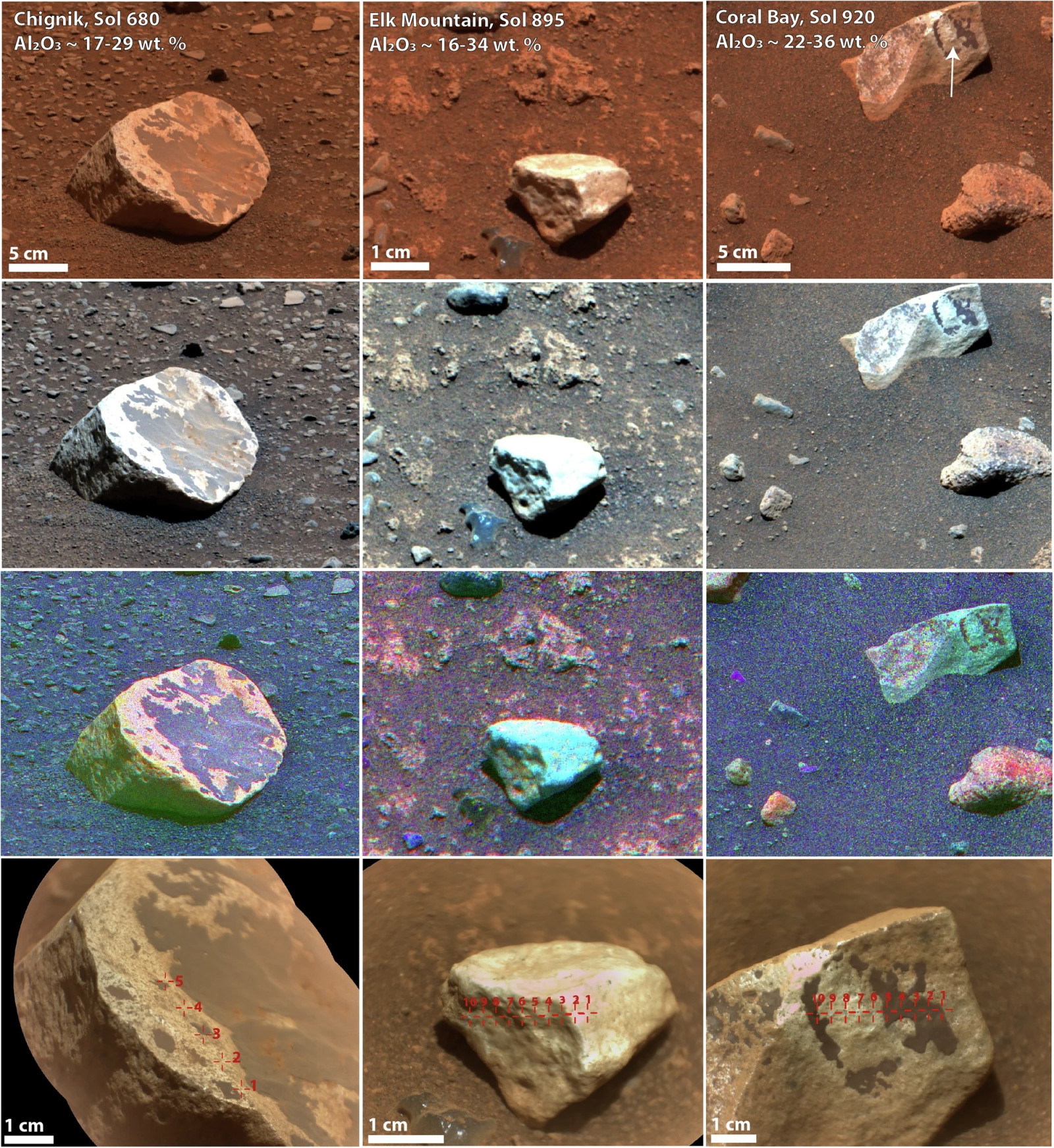
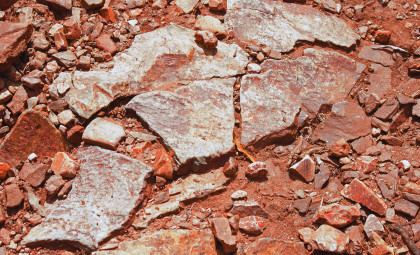
The researchers’ conclusions come from analyzing clay pebbles in the crater’s ancient water channels, which show signs of transformation through ongoing rainfall rather than extreme heat from volcanic or meteoric activity. The team observed that the pebbles have a notably distinct chemical profile:
“Aluminum and titanium enrichments coupled with depletion of iron and magnesium are unlike hydrothermal deposits and instead comparable to bleached horizons of paleosols that formed under high rainfall during past greenhouse climates on Earth. These rocks therefore likely represent some of the wettest intervals of Mars’ history.”
Chemical Signatures Confirm Water’s Role on Ancient Mars
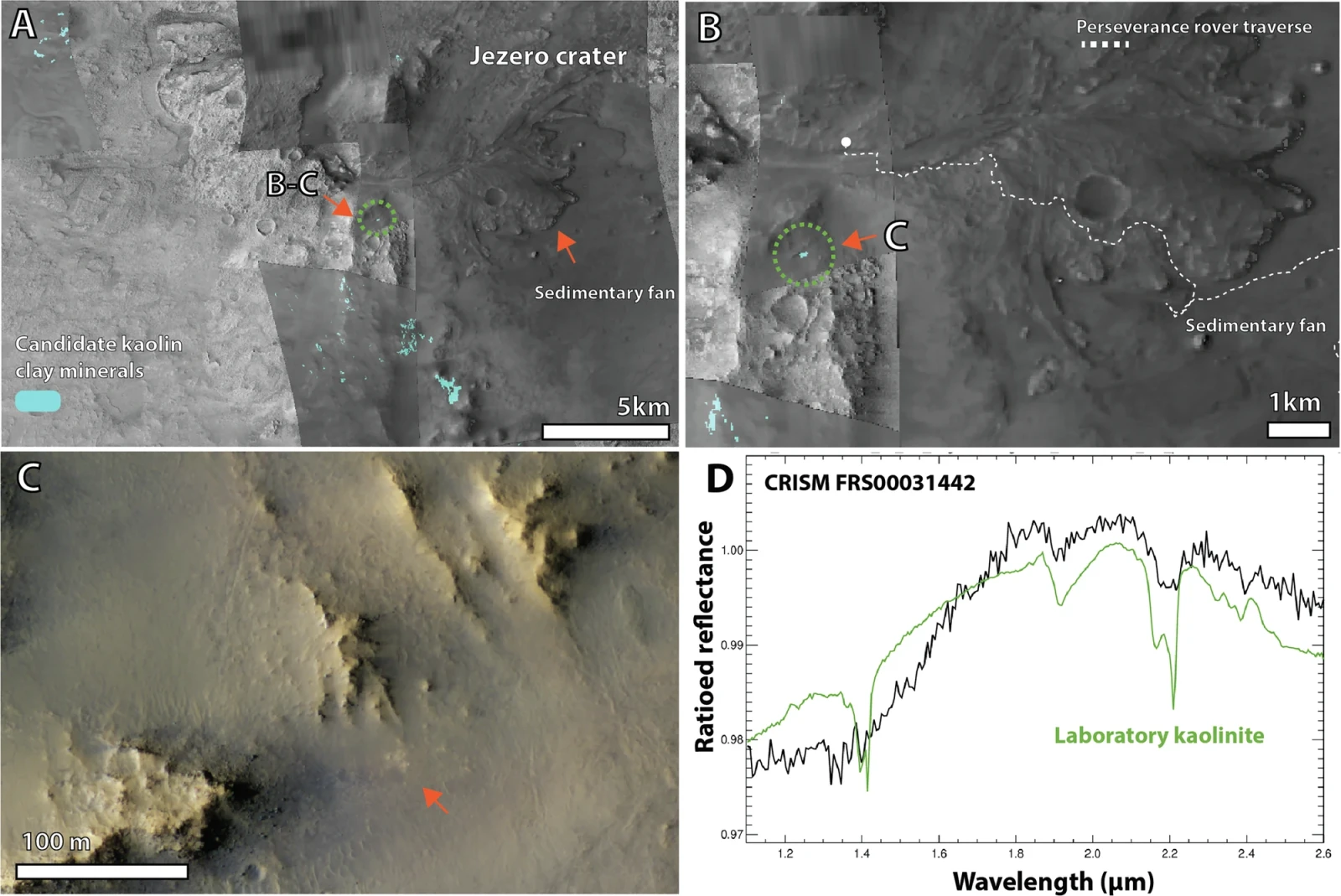
A crucial element of this research is the identification of kaolinite, a clay mineral, on the Martian surface. The kaolinite-bearing pebbles in Jezero Crater display chemical characteristics similar to clays formed in Earth’s warm, rainy environments. This suggests that Mars experienced sustained precipitation and stable temperate conditions spanning thousands to millions of years.
The makeup of these clay pebbles, especially their reduced iron and magnesium content, indicates they were altered in mild, wet conditions rather than from high temperatures attributable to volcanoes or meteor impacts. These observations reinforce the possibility that Noachian Mars offered optimal conditions for life.
Although Perseverance has collected vital samples, the cancellation of the Mars sample return mission means that detailed Earth-based analysis of these materials is postponed. Nevertheless, these findings strongly support the idea that ancient Mars could have harbored life, potentially during the same epoch when early ecosystems began forming on Earth.
- Categories:
- Science







0 comments
Sign in to Comment