
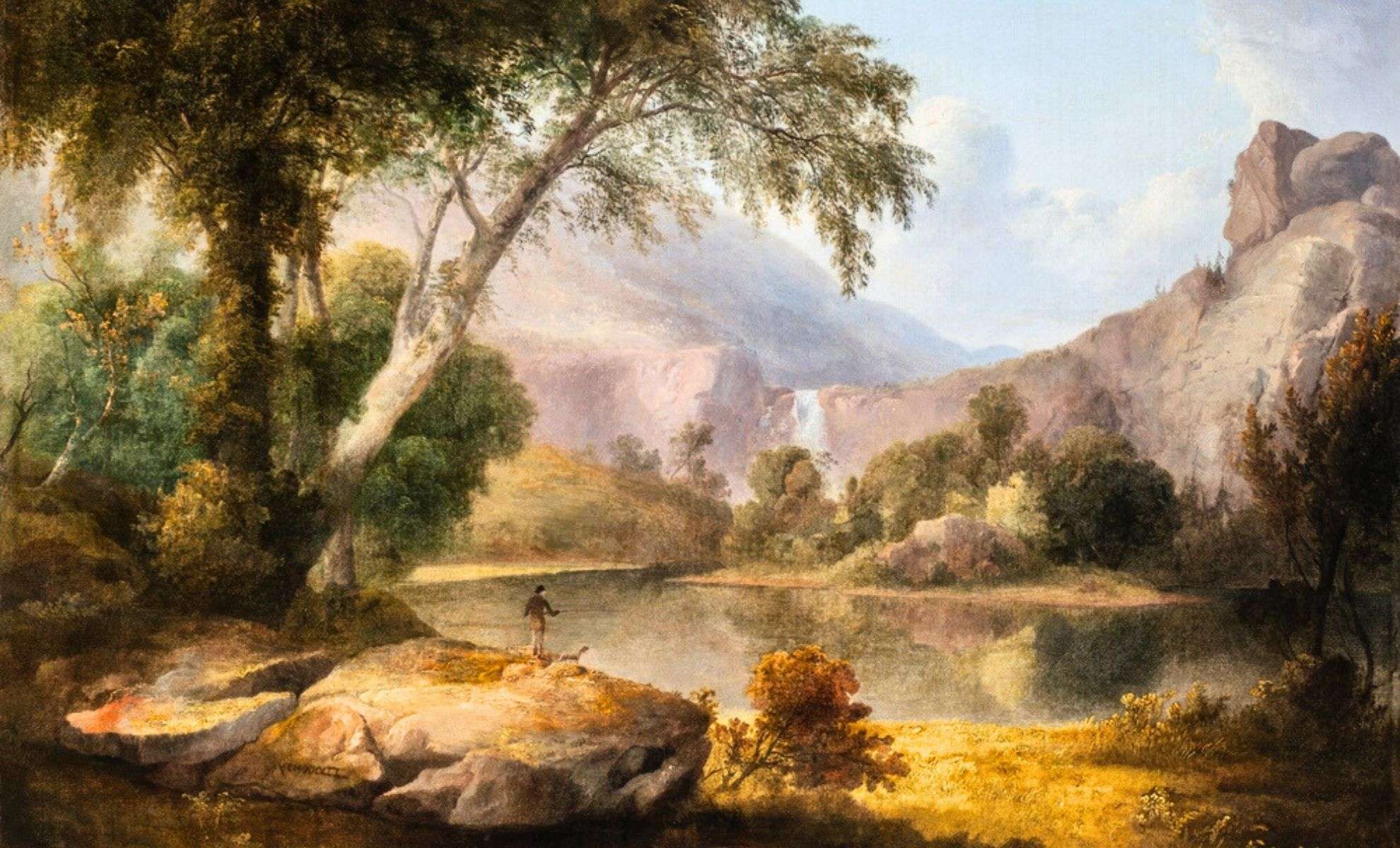
The Garden of Eden has long hovered between legend and history. Recent advances in archaeology and satellite technology have reignited curiosity around this ancient mystery: did Eden truly exist, and if so, where might it be found?
Interest surged after groundbreaking geospatial studies and fresh interpretations of biblical landscapes were detailed in a National Geographic article. Among the voices highlighted is archaeologist Juris Zarins, who proposes the Garden may rest beneath the waters of the Persian Gulf, submerged after the last glacial period.
While skepticism persists—owing to the allegorical tone of the Genesis account—there is a growing faction that recognizes connections to tangible places, notably the fertile river valleys of ancient Mesopotamia in present-day southern Iraq.

Following the Biblical Trail: The Four Rivers of Eden
Genesis 2:10–14 describes Eden as nourished by a single river that branches into four: the Tigris, Euphrates, Pishon, and Gihon. The Tigris and Euphrates remain prominent waterways running through Turkey, Syria, and Iraq, deeply intertwined with the cradle of civilization.
The remaining two rivers, however, have proven elusive. Biblical scholar James Sauer, in Biblical Archaeology Review, speculates that the Pishon corresponds to the Wadi al-Batin, an ancient dry riverbed extending from western Saudi Arabia toward Kuwait's coastline. This hypothesis draws support from NASA’s satellite data, which reveals traces of once-flowing rivers now hidden beneath desert sands.
The Gihon has been tentatively connected by Zarins and peers to Iran’s Karun River, although this viewpoint is debated. Critics, including Yale Divinity scholar Joel Baden, point out inconsistencies: where biblical text implies rivers flow out of Eden, Zarins’ model suggests they flow into it.
Mesopotamian Origins: Marshlands as Inspiration for Eden
Many experts argue the Eden narrative mirrors the lush wetlands near modern-day Basra, Iraq. These fertile regions, nourished by the Tigris and Euphrates, gave rise to sophisticated ancient cultures with elaborate irrigation and famed gardens.
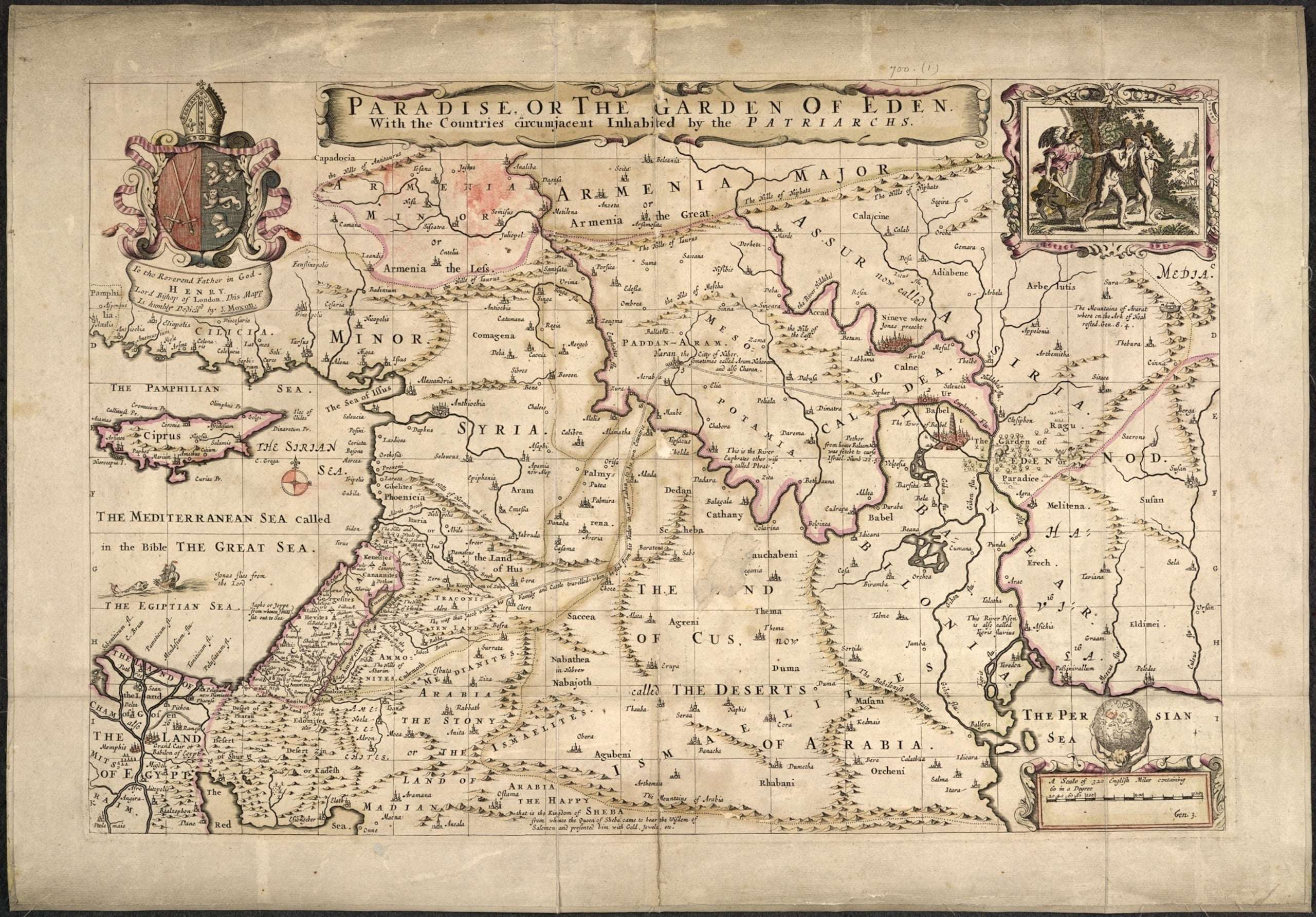
Ancient societies like the Sumerians and Babylonians maintained royal gardens reminiscent of Eden’s description. As Joel Baden notes, “While not necessarily describing a precise location, Genesis may preserve an idealized memory of familiar landscapes.”
The wider region, known as the Fertile Crescent, encompasses parts of modern Iraq, Syria, Lebanon, and Israel. It is credited as the origin of early farming, urban development, and nascent government systems, earning it the moniker “cradle of civilization” as christened by Egyptologist James Henry Breasted.
Seen through this lens, Eden might symbolize an entire flourishing region rather than a singular plot of land.
Rising Seas and a Lost Paradise Beneath the Persian Gulf
One compelling hypothesis connects Eden to rapid climatic shifts following the Ice Age’s end. Juris Zarins argues that retreating glaciers caused sea levels to surge, submerging a verdant basin beneath what is now the Persian Gulf.
Through radar satellite mapping, Zarins uncovered ancient river channels that once traversed Arabia into the Gulf, potentially marking the site where four rivers converged—now buried beneath layers of water and sediment.
This idea, though stimulating, divides opinion. Skeptics like Joel Klenck highlight contradictions with the biblical narrative and the absence of archaeological evidence from underwater expeditions to corroborate such a settlement.
Paradise as Metaphor: Myth Over Geography
Many contemporary scholars and theologians view Eden as a symbolic construct rather than a physical place. Experts including Francesca Stavrakopoulou (University of Exeter) and Mark Leuchter (Temple University) see the Garden as an allegory exploring themes of purity, exile, and ethics.
“Eden embodies the ancient Near Eastern realm,” Leuchter explains, “stretching from Mediterranean coasts to the edges of Assyrian and Babylonian lands. It reflects a collective cultural memory, not geographic coordinates.”
Nonetheless, the enduring quest to locate a tangible Eden continues, blending faith, inquiry, and scientific exploration into a tale that fascinates across generations.








0 comments
Sign in to Comment