
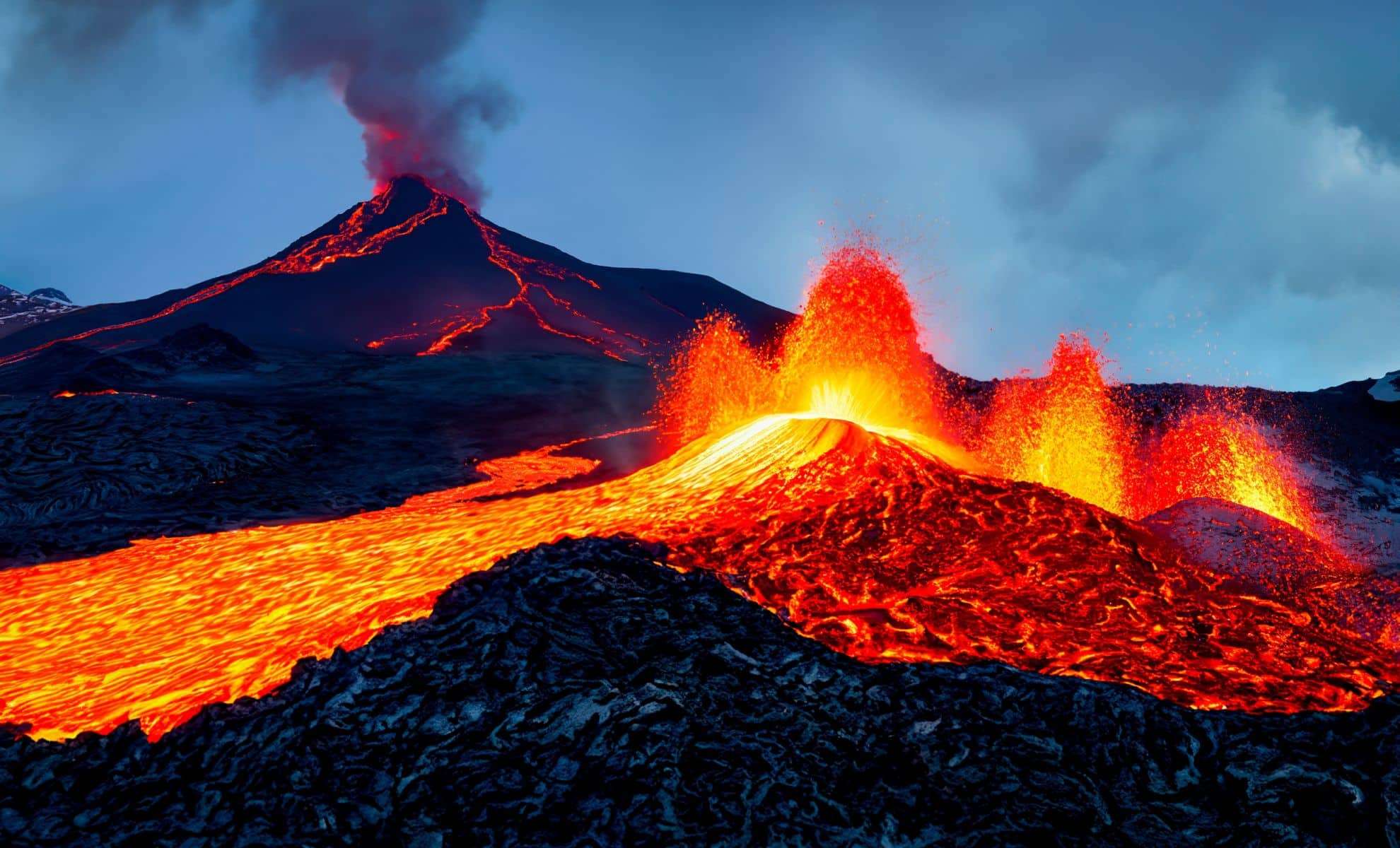
Recent studies have revealed an intriguing association between volcanic eruptions and enigmatic formations deep within Earth's lower mantle, challenging previous understandings of this remote region. These massive, continent-sized structures, called "BLOBS," may hold the key to deciphering the origins of some of the planet's most intense volcanic events.
Could Deep Earth Structures Be Behind Cataclysmic Volcanic Activity?
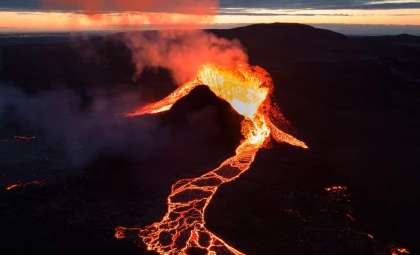
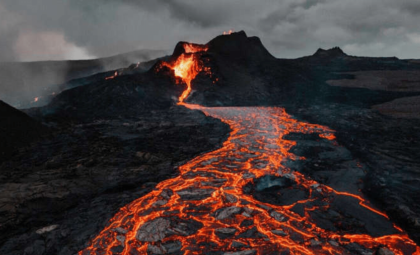
Volcanic eruptions pose severe risks, from destroying inhabited areas to triggering global climate shifts. Despite extensive research, pinpointing the triggers of major eruptions has been elusive. However, the discovery of complex topographical features in the lower mantle — far from the once-presumed uniform layer — suggests these "BLOBS" are more intricate and influential than understood. Composed of materials distinct from their surroundings, these formations are thought to play a crucial role in driving surface volcanic phenomena.
Research spearheaded by volcanologist Annalise Cucchiaro and her group at the University of Wollongong highlights a direct link between these BLOBS and the mantle plumes that fuel some of Earth’s most violent volcanic eruptions. The team’s analysis connects these deep structures to volcanic activity documented at the planet's surface, indicating a profound connection in the Earth's internal dynamics.

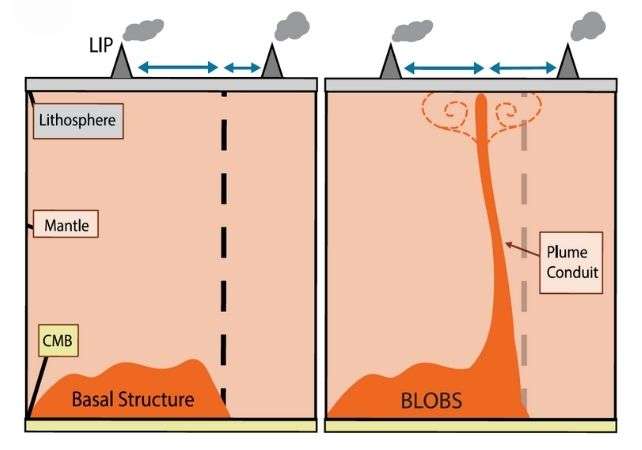
Understanding BLOBS and Their Role in Mantle Plume Formation
"Mantle plumes" are rising columns of heated rock ascending from the depths of the Earth, occasionally from as far down as 2,900 kilometers (1,800 miles). When these plumes break through the crust, they can unleash powerful eruptions that have historically devastated ecosystems. Some plumes are believed to be connected to large extinction events, including the one that led to the disappearance of the dinosaurs.
Through the examination of three distinct datasets, Cucchiaro's team found compelling evidence that BLOBS serve as the foundation and pathways for these mantle plumes. Their research implies that these structures act as "magma conduits," transporting molten rock upwards and fueling volcanic episodes.
Investigating Whether BLOBS Change Position Over Time
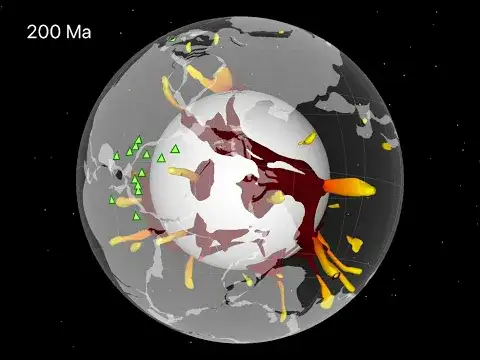
A major question in geosciences has been if BLOBS remain stationary or migrate within the mantle. The latest research indicates that these formations may shift gradually, influenced by mantle convection. To explore this, the team simulated BLOBS' movements over the last billion years.
Their models revealed that rising mantle plumes could tilt during ascent, aligning eruption sites closely with the changing locations of these dynamic BLOBS.
This discovery of BLOBS' potential mobility opens new avenues for studying volcanic behavior. The data revealed eruptions occurring directly above or near BLOBS, showing a tight spatial relationship. Statistical analysis further validated the significant overlap between past volcanic events and predicted plume positions, reinforcing the critical influence of BLOBS on volcanic activity.
- Categories:
- News



0 comments
Sign in to Comment