
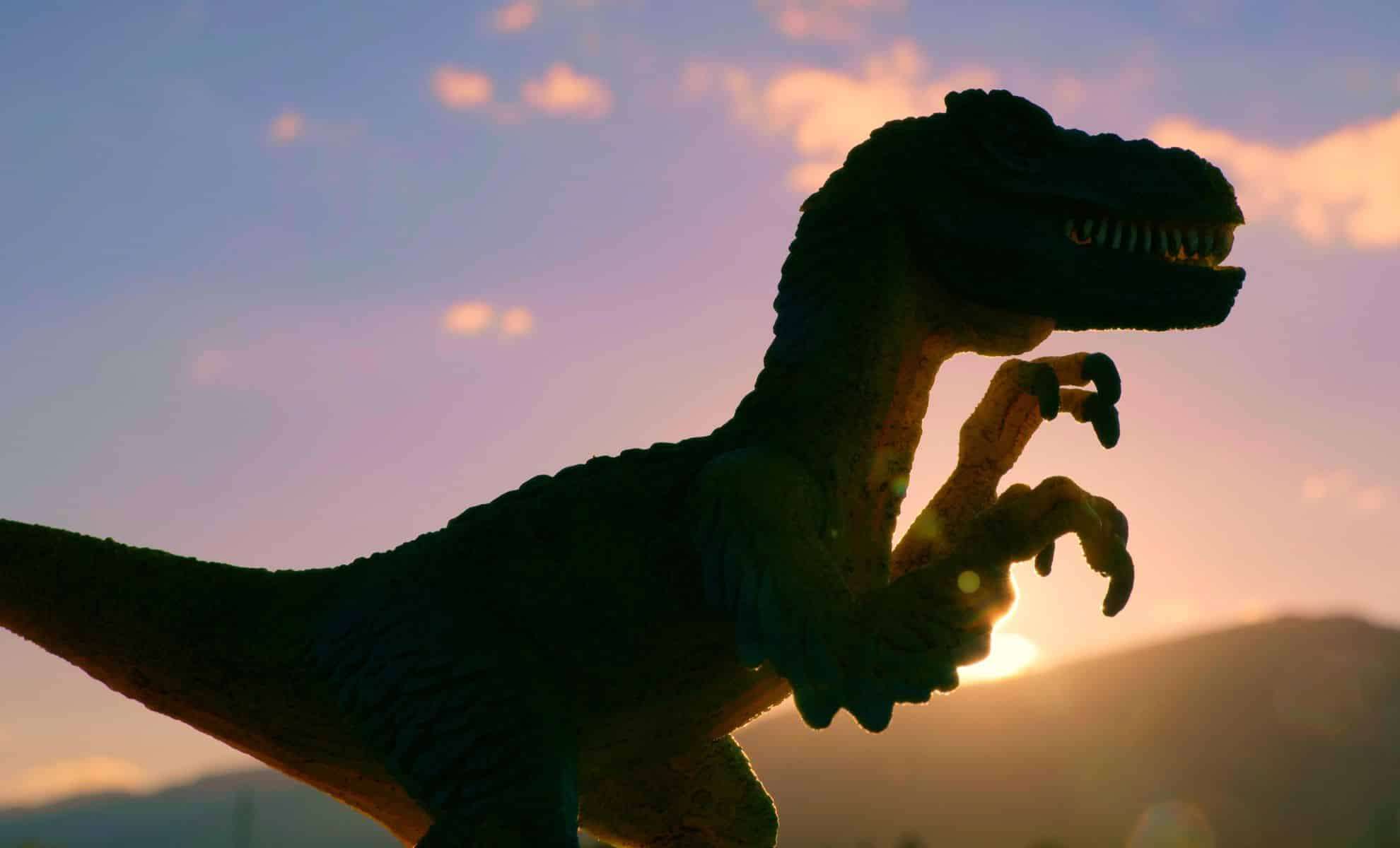
Recent investigations are overturning established ideas about dinosaur physiology by uncovering the first indications that some dinosaurs had padded cheeks. This unexpected revelation sheds new light on their possible chewing mechanics, hinting at complexities in their jaw function that resemble those of mammals.
Hints of Unexpected Soft Tissue Attachments in Dinosaur Skulls
Conventional depictions portray dinosaurs with slender, reptile-like faces, lacking the fleshy cheeks seen in many mammals. This perspective stems from phylogenetic bracketing, which looks to living relatives such as reptiles that typically do not possess muscular cheeks connecting the jaw to the skull. Yet, examination of certain dinosaur skulls, particularly those belonging to Psittacosaurus, suggests the presence of bony markers consistent with muscular attachment sites.
In a study recently published in the Journal of Anatomy, researchers closely analyzed skull features indicative of soft tissue anchorage. Employing an innovative technique known as THLEEP (Three-dimensional HistoLogical Enthesis Entry-angle Prediction), they reconstructed possible orientations of soft tissue structures that would have been absent from fossil records.

Introducing the Exoparia: A Novel Connective Tissue Structure
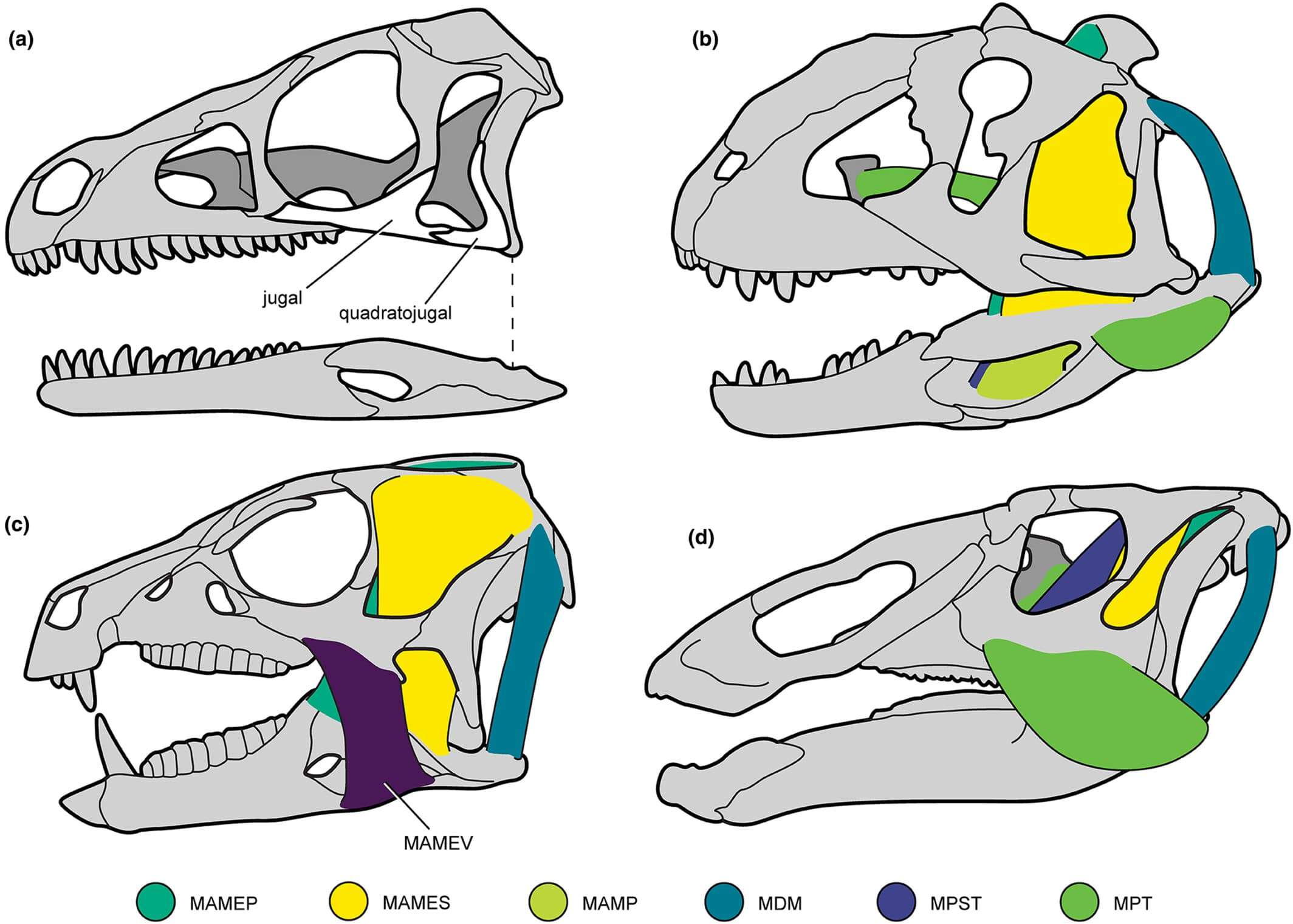
Histological study of ten dinosauriform specimens uncovered consistent connective tissue links between the zygoma (cheekbone) and the mandible (lower jaw). This newly characterized soft tissue was designated the “exoparia.” The exoparia is thought to have provided firm stabilization of the mandible in relation to the cranium during jaw movement, a feature that would have been especially beneficial for dinosaurs engaging in food processing via chewing.
The study’s authors note, “We hypothesise a strong connective tissue structure bridging the zygoma and mandible in dinosaurs, termed the ‘exoparia.’ This structure’s size and proximity to the craniomandibular joint would be advantageous in stabilising the mandible relative to the cranium during jaw movement, particularly in dinosaurs thought to process their masticate.”
Reevaluating Dinosaur Feeding Mechanics and Behavior
These findings question previous assumptions about dinosaur jaw structure and dietary practices. The presence of mammal-like cheek tissues might indicate that some dinosaurs had a more sophisticated chewing ability, allowing for greater precision and efficiency. The exoparia could have enabled jaw movements that produced chewing actions similar in complexity to those found in mammals.
While fossilized cheek tissues have never been recovered, the discovery prompts a fresh perspective on dinosaur skull functionality and their feeding habits. This insight paves the way for deeper understanding of the evolutionary developments in dinosaur anatomy and behavior.
- Categories:
- News









0 comments
Sign in to Comment