
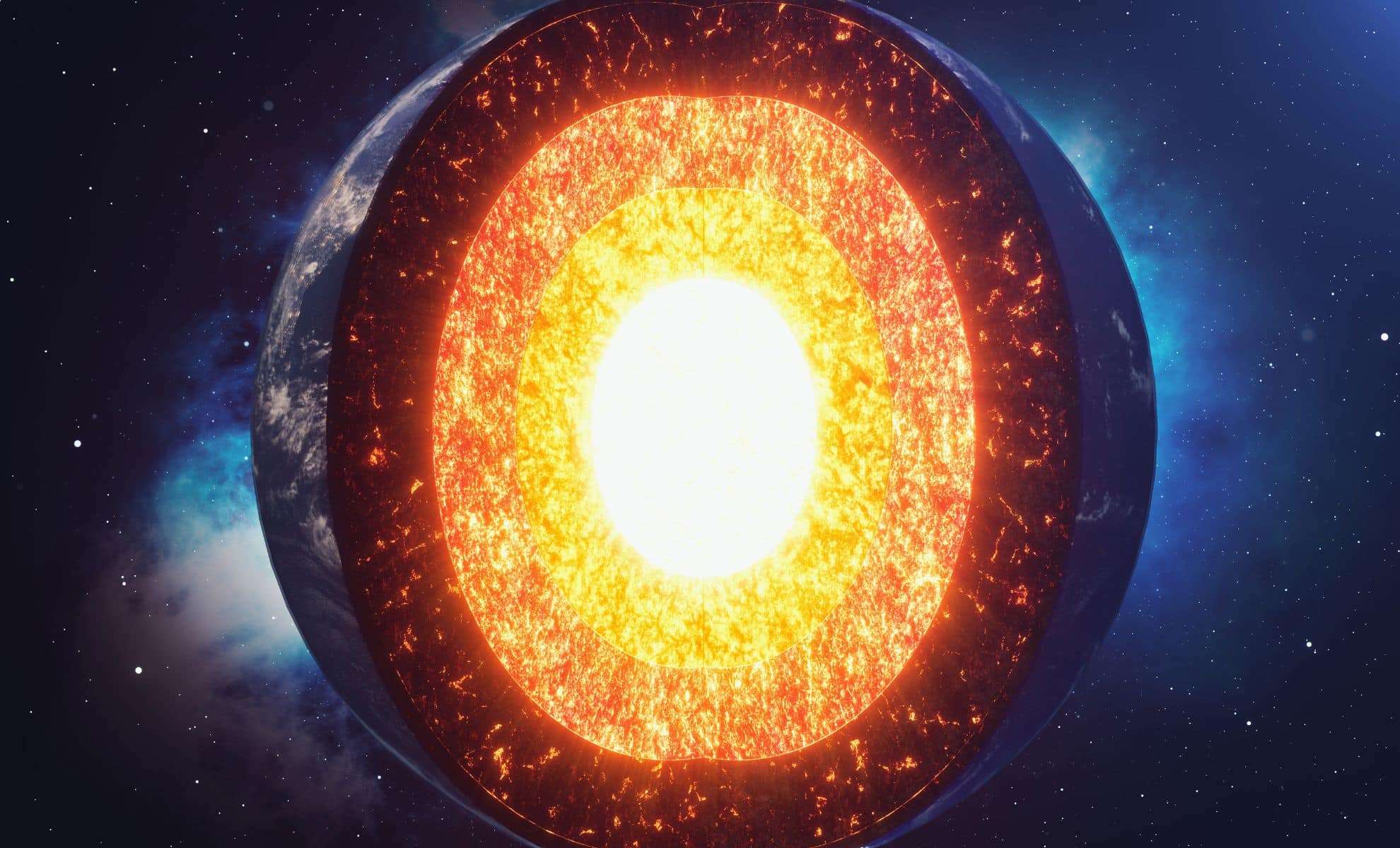
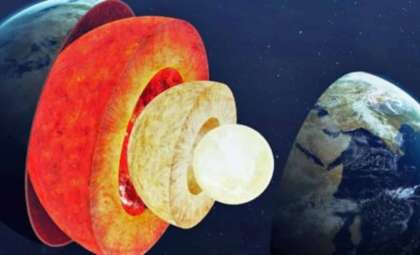
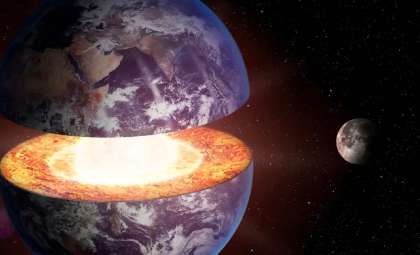
Recent research has revealed tantalizing hints of a previously unrecognized structure deep within Earth’s inner core, suggesting the planet’s interior may be even more intricate than previously believed. Published in the Journal of Geophysical Research: Solid Earth, this study introduces the possibility of a fifth distinct layer, potentially altering our fundamental understanding of Earth’s formation.
Unveiling the Hidden Complexity Below
Traditionally, Earth is depicted with four main layers: the crust, mantle, outer core, and inner core. However, groundbreaking work from the Australian National University suggests that the inner core itself might be split into two different zones. Geophysicist Joanne Stephenson explains, “This discovery is thrilling and could require us to update what we teach about Earth’s structure.”
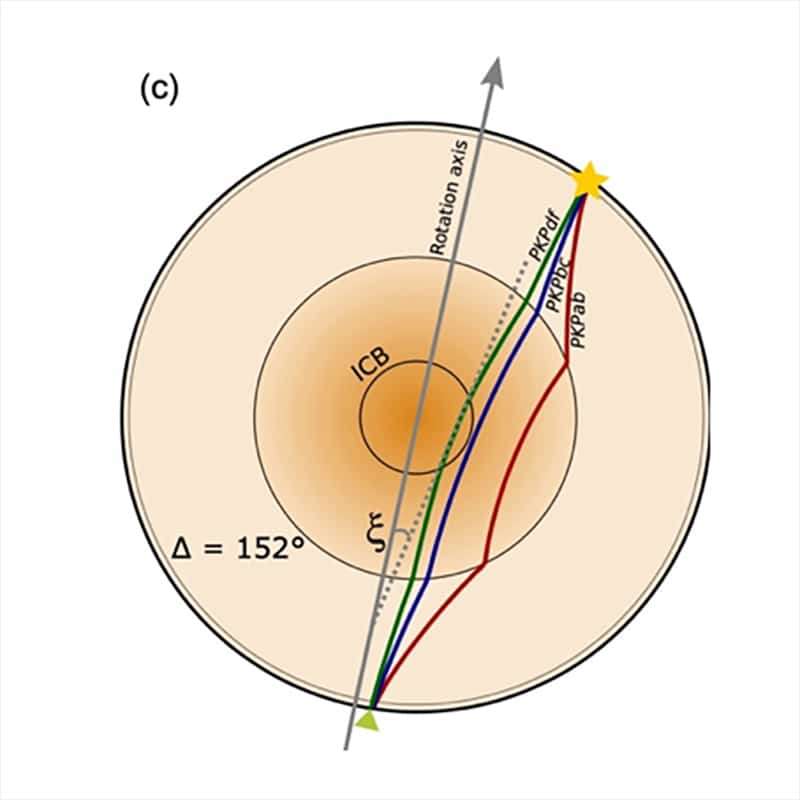
By examining decades of seismic wave data through an extensive algorithm matching thousands of models to actual observations, the researchers detected seismic wave behaviors indicating a complex, previously undetected region at the core’s center. These waves vary in speed and trajectory based on the materials they traverse, offering clues about the core’s makeup.

Tracing Earth’s Deep Historic Processes
Instead of a uniform inner core, the analysis uncovered subtle directional changes in wave patterns. The team observed that slower seismic waves traveled at roughly a 54-degree angle inside the core, while faster waves aligned with Earth's spin axis. This indicates anisotropy affecting how quickly waves move depending on their direction, likely tied to the internal arrangement of iron crystals.
This anisotropy might signal that Earth’s inner core underwent two significant cooling phases in its early history. Stephenson notes, “The evidence points to structural shifts in iron that could explain previous inconsistencies in core models.” Such thermal events may have been crucial in shaping the inner core’s current solid form.
Decoding Seismic Clues and Core Structure
Though the existence of a more concealed layer inside Earth has been proposed before, this work offers some of the most convincing proof to date. Researchers argue that the observed seismic wave shifts mark a boundary delineating a new layer, representing a distinct stage in the core’s evolutionary timeline.
One limitation of this study is the uneven distribution of seismic data worldwide, particularly around polar zones. The team acknowledges, “Data gaps near polar antipodes due to limited earthquakes and receivers constrain our analysis,” which means these conclusions are preliminary but promising. They bolster previous studies highlighting the core’s anisotropic nature and endorse the concept of a more layered inner structure.
Further collection of seismic evidence combined with enhanced modeling approaches could eventually verify this inner core subdivision. For now, this study offers an intriguing glimpse into Earth’s most remote depths and enriches our understanding of its complex geological history.
- Categories:
- News





0 comments
Sign in to Comment