
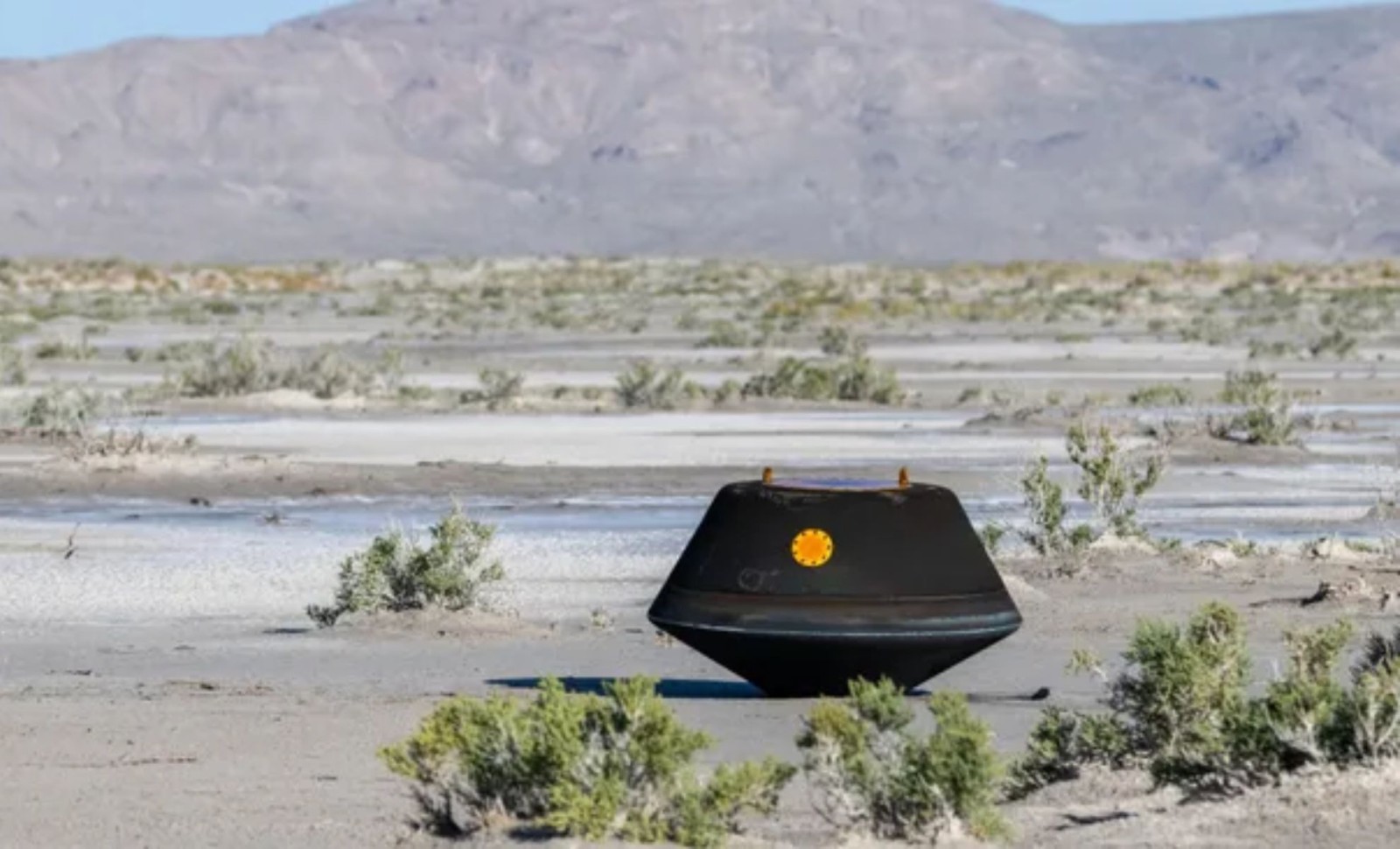
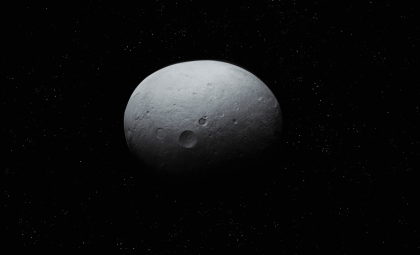
In late 2023, NASA’s OSIRIS-REx mission brought back samples from the asteroid Bennu, unveiling unexpected findings: organic molecules like amino acids and nucleobases were found embedded in the dust and rock. While this discovery supported theories that asteroids could have delivered life’s ingredients to Earth, the nearly equal presence of left- and right-handed amino acids posed a puzzling question.
Rethinking Conventional Biosignatures
Scientists have long used biosignatures—unique indicators such as certain types of amino acids—to detect life-related processes. However, data from Bennu complicated this understanding. Although vital to life on Earth, organic molecules like amino acids aren’t exclusive to biology; they can also emerge through abiotic chemical reactions. This blurs the line between biological and non-biological origins, suggesting that traditional biosignature methods might not be sufficient.
“Nonliving materials can produce rich, organized mixtures of organic molecules,” Amirali Aghazadeh, a computational scientist focused on biological signatures, explains, “then the traditional signs we use to recognize biology may no longer be enough.”
Add Cosmo Herald as a Preferred Source

The example of the Bennu sample makes it clear that molecules associated with life are not always signs of life itself. As space missions prepare to explore Mars, Europa, and other celestial bodies, a more reliable framework is essential to accurately interpret future samples.
Introducing LifeTracer: Advanced Life Detection Through Machine Learning
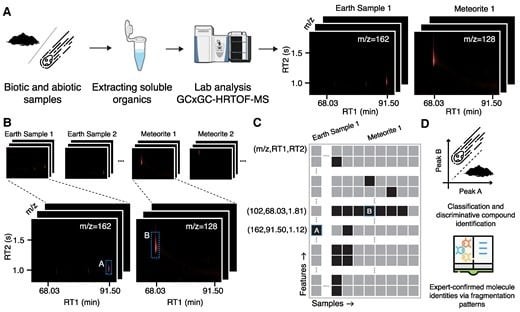
Facing these challenges, Aghazadeh and colleagues created LifeTracer, a machine learning platform that identifies chemical patterns suggesting biological origins. Instead of focusing on individual molecules, LifeTracer analyzes the entire chemical signature distribution, enabling it to tell apart abiotic and biotic sources even when the compounds themselves look alike.
LifeTracer’s strength lies in its approach: rather than reconstructing complex molecular structures, it studies patterns within chemical fragments through mass and composition data, arranging them into a matrix. This method reveals subtle distinctions between organic compounds from living organisms versus those formed by nonliving processes.
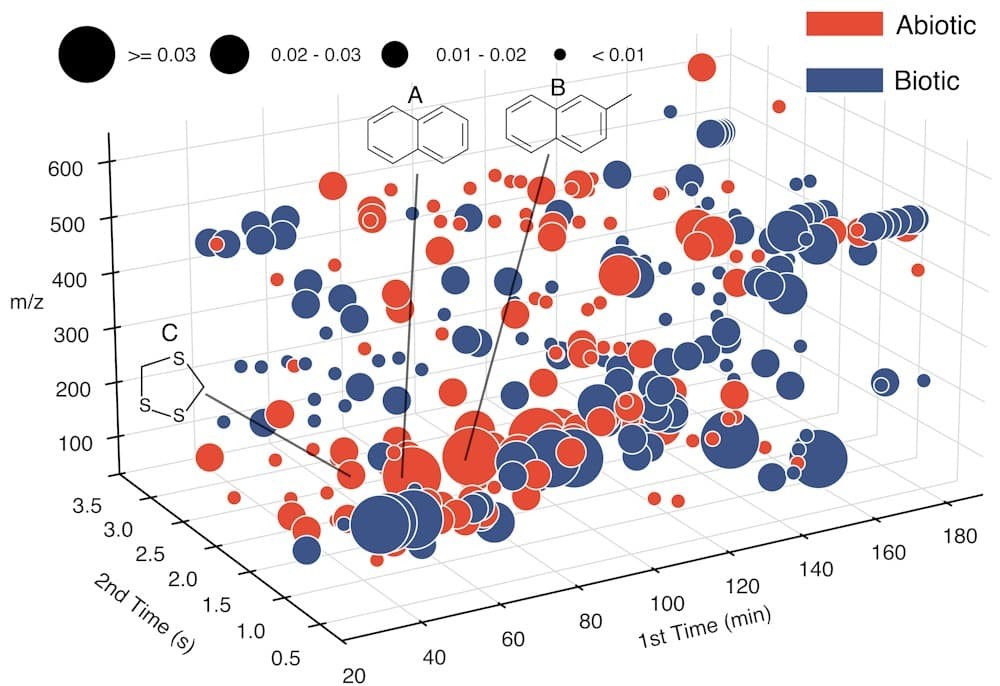
Published in PNAS Nexus, the research demonstrated LifeTracer’s capability to distinguish meteorite samples carrying abiotic molecules from Earth-origin samples containing biological residues. Its pattern recognition approach is especially valuable for interpreting the complicated chemical mixtures expected from future extraterrestrial sample returns.
Expanding Our Horizons on Life’s Detection
With upcoming missions focused on Mars, its moons, and icy ocean worlds such as Europa and Enceladus, the demand for enhanced life-detection techniques is growing. The fundamental question remains: how can we identify life forms that might not resemble anything known on Earth? As noted in The Conversation, LifeTracer represents a promising advancement for interpreting samples from distant worlds.
Life beyond Earth may not adhere to terrestrial chemical conventions built around specific amino acids, lipids, and organic molecules. LifeTracer’s innovative focus on overarching chemical patterns rather than specific molecules broadens the potential to uncover unfamiliar biosignatures, revolutionizing our approach to astrobiology.
- Categories:
- News






0 comments
Sign in to Comment