
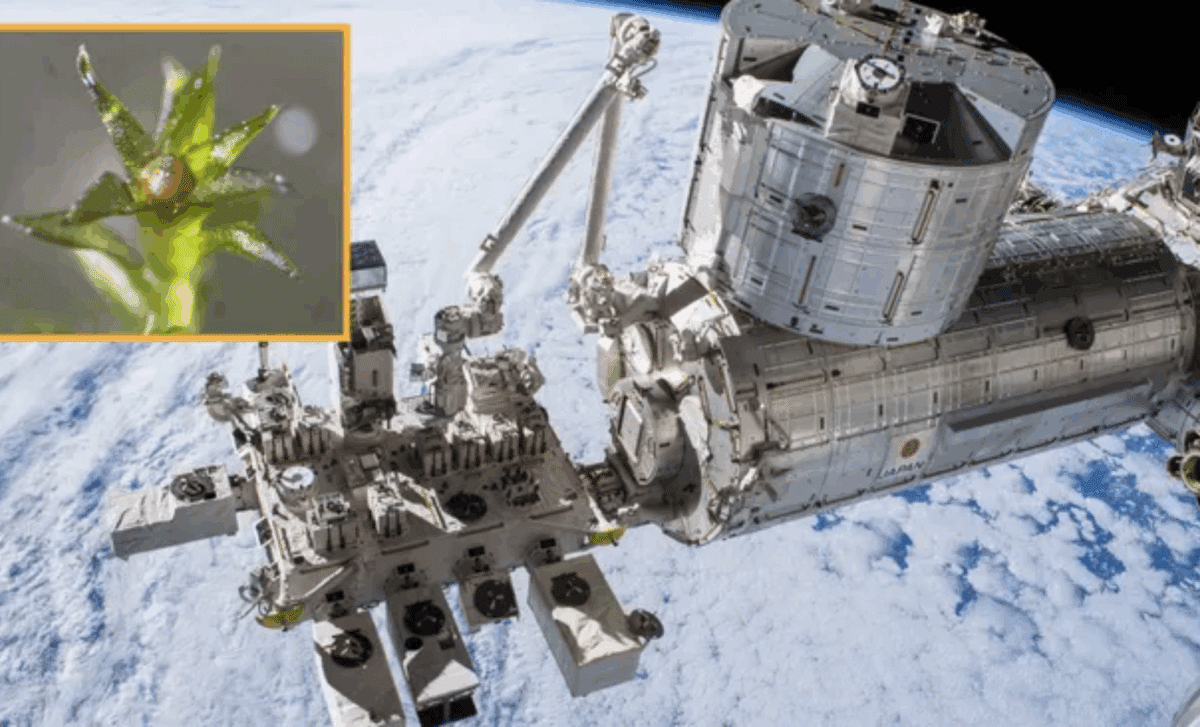
A recent study has revealed that moss spores can endure the extreme environment of outer space. Researchers attached a species of moss to the exterior of the International Space Station (ISS) for nine months to examine its durability. Published on Thursday (Nov. 20) in the journal iScience, the results demonstrate that over 80% of the spores survived the journey and flourished once returned to Earth, unlocking new possibilities for sustaining life on future space expeditions.
Moss That Withstood Space’s Harsh Conditions
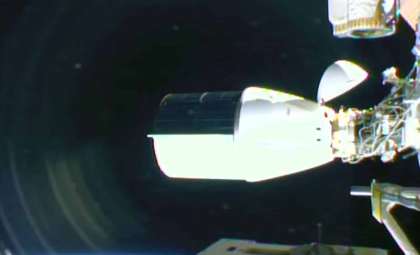
The concept of living organisms surviving the severe conditions of space might seem unlikely, yet this experiment confirms that certain species like moss have extraordinary tolerance. The moss tested, Physcomitrium patens, was exposed outside the ISS for nearly nine months in 2022 to study the resilience of plant life beyond Earth. Led by scientists at Hokkaido University in Japan, the experiment found that the spores remained viable and were able to germinate after their return.
“Surprisingly, over 80% of the spores survived and many germinated normally,” study lead author Tomomichi Fujita said.
Add Cosmo Herald as a Preferred Source

This discovery highlights a surprising toughness in some plants like moss against space’s extreme challenges. Their spores resisted radiation, vacuum, and temperature extremes that typically harm most life forms, proving the potential for certain organisms to withstand outer space environments.
Investigating Moss’s Exceptional Stress Resistance
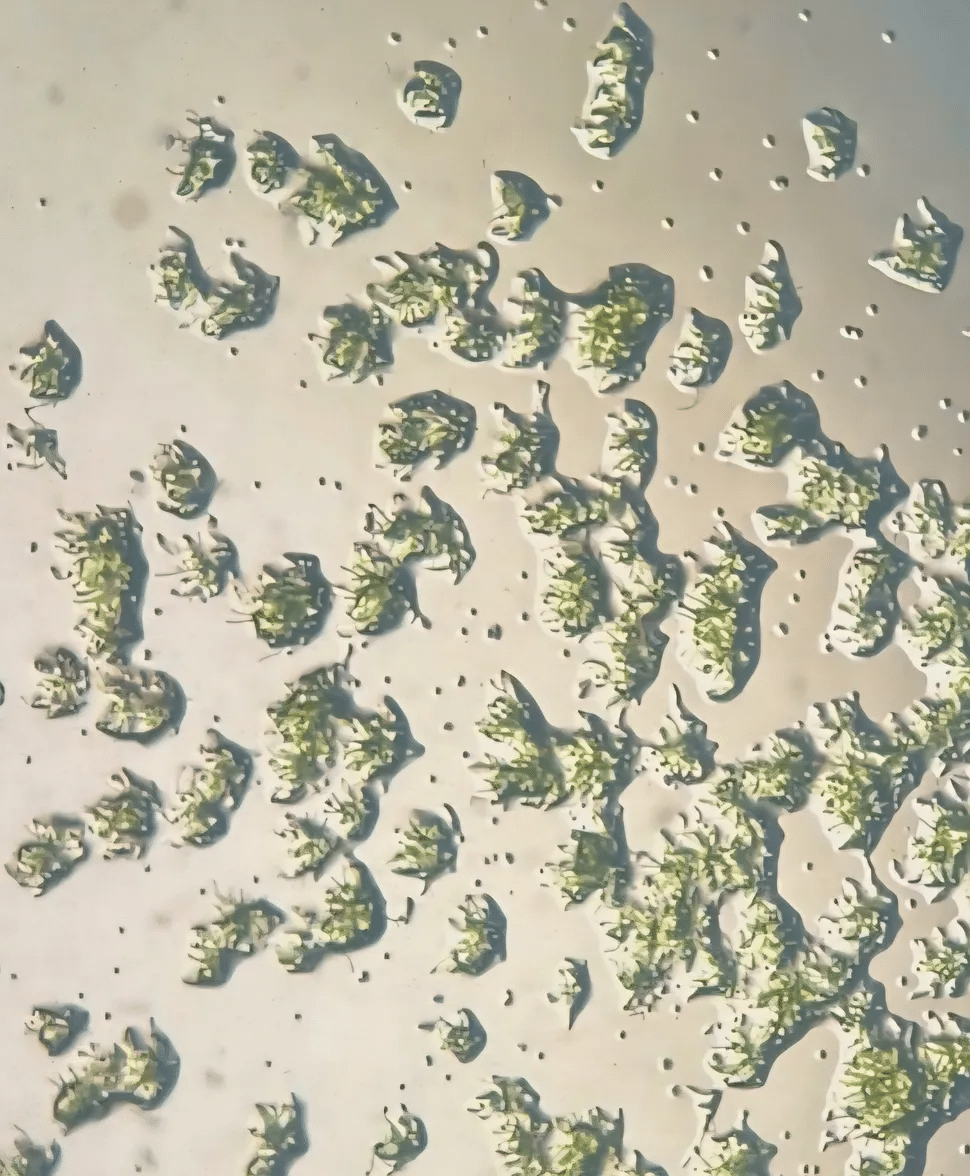
Researchers delved into the cellular structure of moss to uncover why it survived such harsh conditions. They found that the sporophytes — the specialized cells protecting the spores during reproduction — exhibited remarkable stress resistance. These cells appear adapted to shield spores from threats like ultraviolet radiation, freezing temperatures, and extreme heat.
Moss has a well-known history of thriving in Earth's toughest habitats, from the icy summits of the Himalayas to the arid soils of Death Valley. This space experiment expands our understanding of how moss’s resilience might extend to extraterrestrial environments.
“This protective role may have evolved early in land plant history to help mosses colonize terrestrial habitats,” Fujita explained.
These age-old survival mechanisms likely play a crucial part in moss’s endurance amid the unforgiving conditions of outer space.
Broader Impact: How This Research Could Shape Space Exploration
Though moss’s survival in space may appear modest, it holds substantial implications for future off-world living. The capacity of select organisms to withstand space conditions offers valuable lessons for sustaining life during deep-space missions. Insights gained from moss could guide methods for growing plants that support humans traveling to destinations like Mars.
The study, featured Thursday (Nov. 20) in the journal iScience, points toward moss as a promising component in space-based closed ecosystems. Such systems are vital for generating oxygen, producing food, and boosting astronauts’ psychological health on long journeys. Moss’s durability positions it as a key candidate for maintaining life aboard spacecraft or extraterrestrial colonies.
Light Exposure Challenges Faced by Moss in Space
Despite the high survival rate, moss spores were affected by one major space hazard: intense light, especially high-energy UV radiation. Scientists observed a decrease in critical pigments like chlorophyll, important for photosynthesis. This damage was attributed to the much stronger UV exposure in space compared to Earth.
Nevertheless, moss spores tolerated these conditions better than many other plants previously tested beyond Earth's atmosphere. Their performance under low light and UV stress suggests they may be more suited for space environments than more delicate species. This UV tolerance, alongside other robust qualities, makes P. patens an excellent subject for ongoing space biology research.
- Categories:
- News





0 comments
Sign in to Comment