
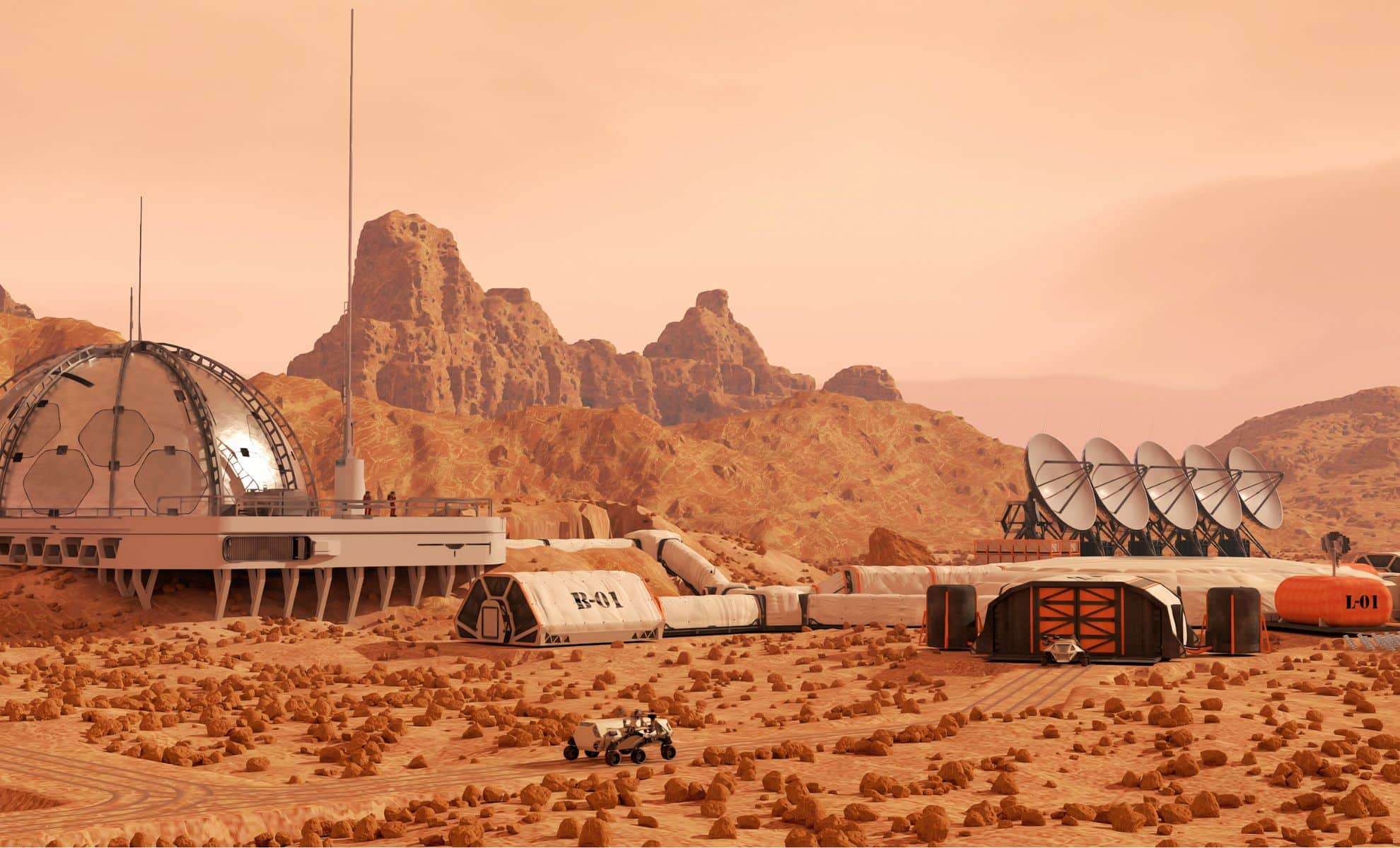
With NASA preparing for longer space expeditions and the ambitious target of sending humans to Mars, ensuring astronaut health in distant environments is an increasing priority. Partnering with Google, NASA has created an advanced AI medical assistant that allows astronauts to autonomously diagnose and manage health issues when direct communication with Earth is not feasible. This initiative forms part of NASA's strategy to enhance mission independence during deep space exploration. The AI tool is powered by Google’s cloud technologies, especially Vertex AI, and could eventually inspire innovations in terrestrial healthcare.
NASA and Google’s collaboration is explained in detail in Google’s official blog post on their efforts to trial AI for space medical care, alongside resources from NASA’s Artemis Program. These joint efforts highlight the urgency for new technologies to ensure astronauts' health on extended missions. The AI assistant, called the Crew Medical Officer Digital Assistant (CMO-DA), represents an experimental yet promising tool that can assess and treat a variety of medical conditions during missions like those planned for Mars exploration.
Advancing Autonomous Space Healthcare with CMO-DA
The Crew Medical Officer Digital Assistant (CMO-DA) developed by NASA marks a significant breakthrough in space medicine. More than just a conventional chatbot, it combines multiple modes of interaction—including speech recognition, text inputs, and visual analysis—to assist astronauts with real-time diagnostic and treatment guidance. Operating on the Google Cloud Vertex AI platform, it leverages AI models developed both by Google and partners to support its functions.

This technology is especially valuable in deep space settings where communication delays or outages can prevent contact with Earth-based medical teams. During Mars missions, these delays can extend for several minutes, making immediate ground support impossible. CMO-DA aims to bridge this gap by providing dependable AI-driven medical assistance directly to astronauts, enabling them to make informed health decisions independently.
In trials simulating typical space-related health scenarios—including ankle injuries, flank pain, and ear ailments—the AI assistant demonstrated diagnostic accuracy between 74% and 88%. These promising outcomes suggest the tool could greatly enhance astronauts’ ability to manage health conditions autonomously during critical moments away from Earth.
Multimodal Interaction: Enhancing Diagnosis Through Speech, Text, and Visual Inputs
A defining feature of CMO-DA is its multimodal interface, which integrates voice commands, text entries, and image processing. This approach allows astronauts to describe symptoms verbally, submit photographs of injuries or ailments, or type details to receive tailored assistance. Such flexibility adapts the technology to an astronaut’s communication preferences and the unique challenges posed by the space environment.
These multimodal capabilities are vital in microgravity settings, where typical medical procedures and evaluations are complicated. Correctly diagnosing and treating conditions that may be visually subtle requires sophisticated tools. CMO-DA’s ability to interpret visual inputs empowers astronauts to better assess wounds or detect complex issues such as infections or muscle deterioration, offering critical diagnostic insight that isn’t otherwise accessible in space.
Supporting Astronaut Health for Future Mars Expeditions
As NASA advances its Mars mission plans, addressing health risks that astronauts face during long-term spaceflight is paramount. Exposure to elevated radiation levels, loss of muscle mass, and decreased bone density are among the serious concerns. Because immediate return to Earth won’t be possible, astronauts must rely on autonomous healthcare solutions to maintain wellbeing.
The CMO-DA AI assistant is designed to fulfill this need by providing rapid diagnostic and treatment options onboard. Its proven effectiveness across common medical scenarios could prevent minor issues from escalating and aid astronauts in managing their health more confidently during prolonged missions.
"The tool not only could improve the health of astronauts in space, but the lessons learned from this tool could also have applicability to other areas of health," said David Cruley, customer engineer at Google’s Public Sector business unit. This perspective emphasizes that while created for space, the AI medical assistant has potential uses on Earth, particularly in remote or resource-limited healthcare settings.
- Categories:
- News






0 comments
Sign in to Comment