
Spanning diverse terrains from Arizona’s sweeping deserts to Antarctica’s frozen expanse, certain Earth locations hold more than just geographical interest. These seven spots, clearly visible via Google Maps, each reveal unsettling histories or strange origins. Some are tied to military pasts, while others are peculiar human-made phenomena that provoke both intrigue and unease. What unites them is an enigmatic quality that makes them stand out in our mapped modern world.
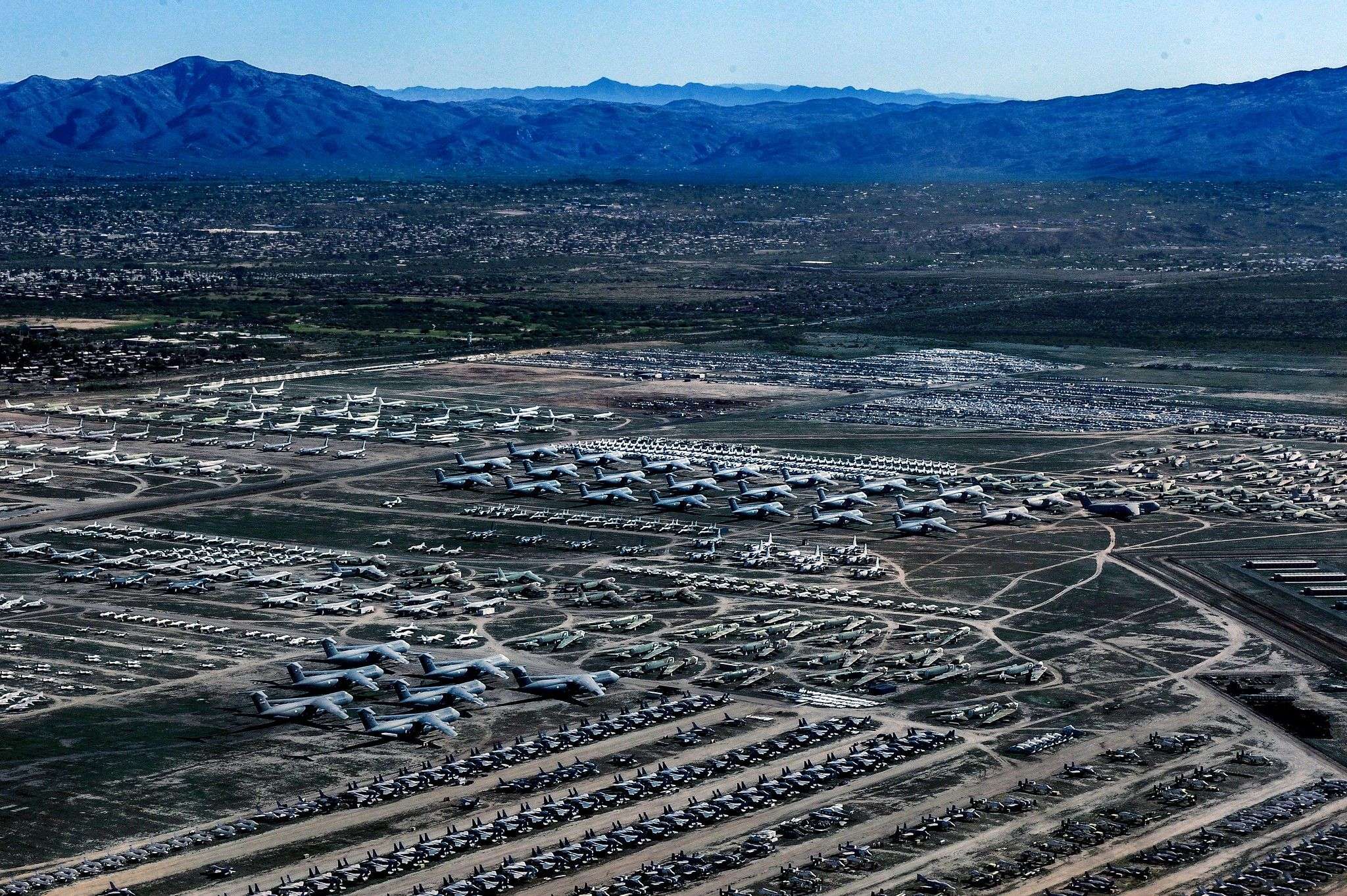
The Boneyard: The U.S. Military’s Aircraft Cemetery
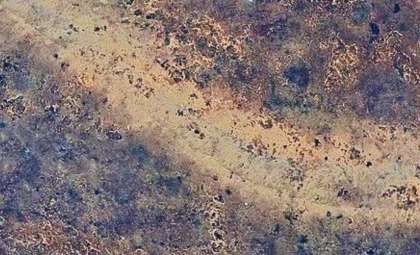
Near Tucson, Arizona, lies The Boneyard, an immense storage site where decommissioned U.S. military airplanes rest. The region’s dry desert climate perfectly preserves these aircraft as they lie dormant for years. From above, the sight is haunting: orderly rows of aging planes blending into the arid surroundings, serving as a stark reminder of aviation history frozen in time.
Nagoro’s Scarecrow Village: Japan’s Ghostly Homage
On Japan’s remote Shikoku Island, the village of Nagoro is famed for its unsettling scarecrow population. Crafted by Tsukimi Ayano, these life-sized dolls stand in for villagers who have either passed away or left. Placed throughout the village—sitting on porches, riding buses, or standing in fields—the scarecrows create an eerie scene, making the quiet hamlet feel inhabited yet strangely lifeless, inviting a chilling reflection on change and memory.

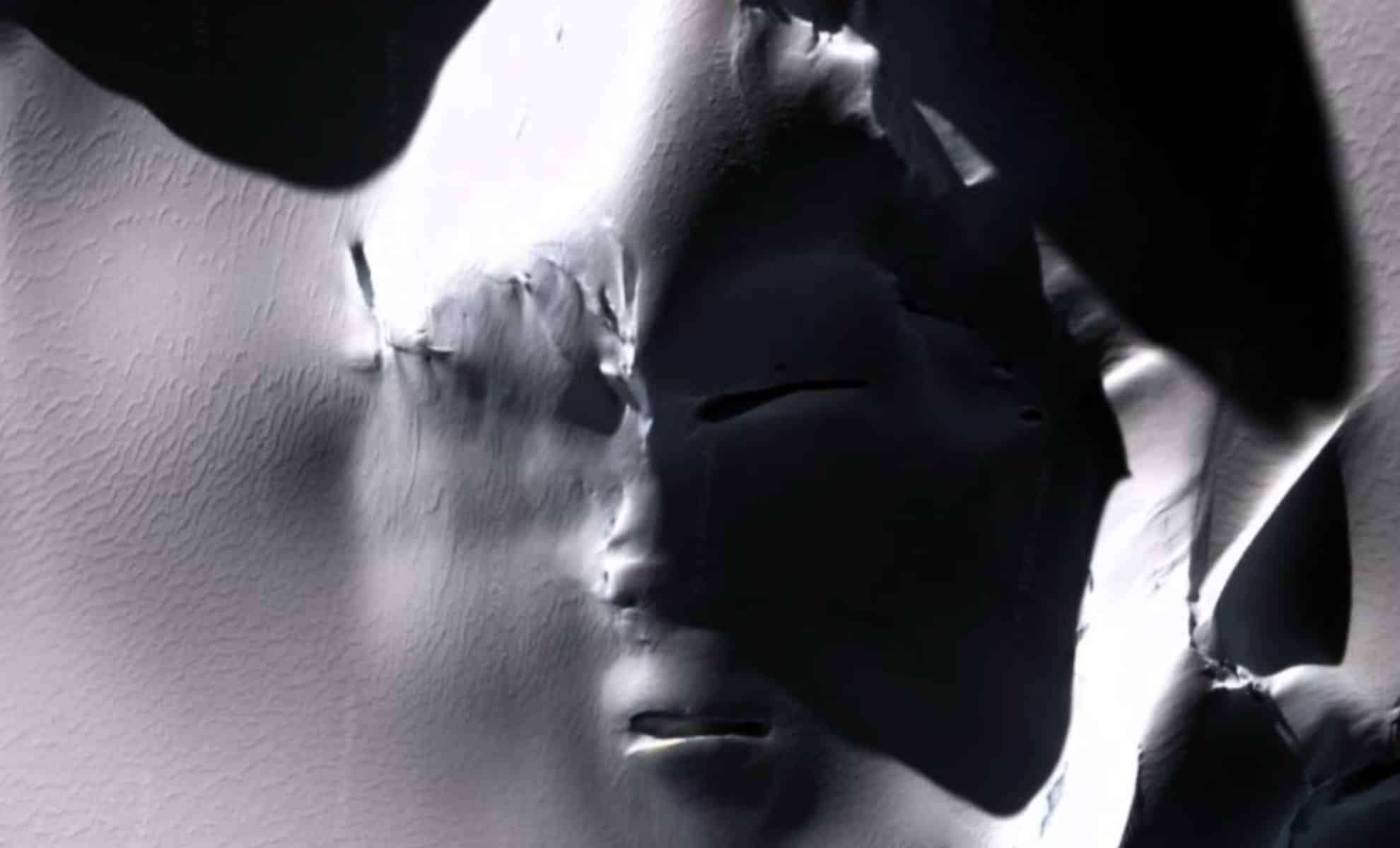
The Broken Face: Antarctica’s Natural Optical Illusion
Within Antarctica’s vast ice fields sits an intriguing rock formation dubbed The Broken Face. From above, it closely resembles a human profile, showcasing the phenomenon known as pareidolia, where random shapes are perceived as familiar images. Despite appearing astonishingly lifelike, this formation is nothing more than nature's chance arrangement—yet its uncanny visage continues to fascinate and mystify spectators.

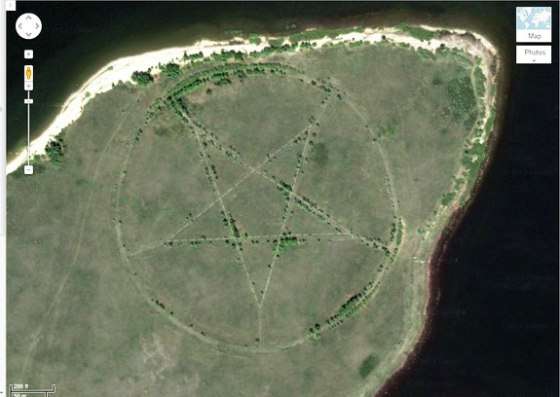
The Kazakh Pentagram: An Intriguing Star on the Landscape
On Kazakhstan’s expansive plains near Lisakhovsk, a large star-shaped formation is clearly visible from aerial views. Contrary to conspiracy claims, this pentagram is actually a deliberately designed park, not an ancient symbol. Its eye-catching geometric pattern has nevertheless sparked widespread speculation, making it one of the internet’s most debated geographical oddities.
The Pigeons of Tokyo: An Odd Sight Captured from Above
Famed for its bustling streets and neon glow, Tokyo conceals a strange scene visible on Google Maps: a lineup of eight pigeons arranged in an unusual, nearly symmetrical formation. Rumored to be an art project or prank, the exact reason behind this oddity remains unknown, but it adds to the collection of peculiar phenomena detected through aerial imagery.

Bimini’s Plane Wreck: An Abandoned Relic in the Jungle
Deep within the wild forests of Bimini Island in the Bahamas lies a forgotten plane wreck, isolated from human activity. This scattered metallic debris has sparked curiosity and theories about its origin and fate. Its obscure history, coupled with the secluded nature of its location, lends an air of mystery that fascinates explorers and seekers of abandoned sites.
Desert Breath: A Spiraling Art Installation in Egypt’s Sands
Concealed within Egypt’s deserts, Desert Breath is a monumental spiral land art piece, crafted in 1997 by a trio of Greek artists. Designed to honor the desert’s vastness, the installation has gradually eroded over time, yet its haunting spiral remains visible even from space.
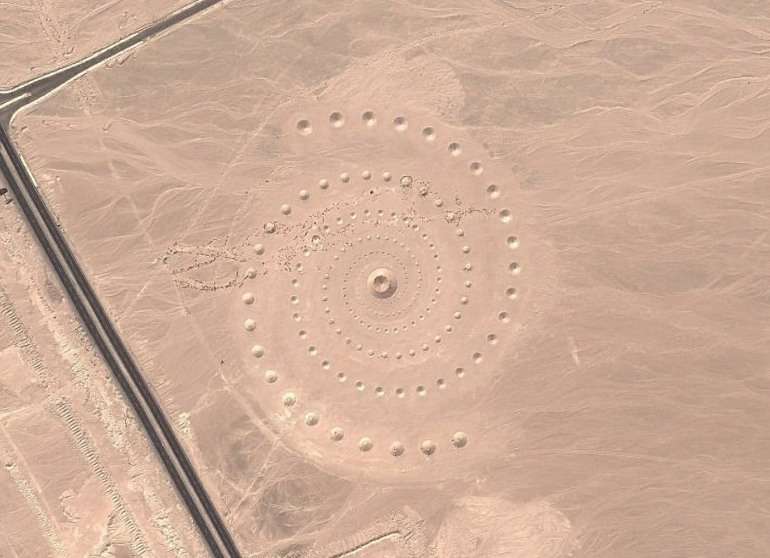
While the original artwork is remarkable, its gradual decay imparts a ghostly reminder of impermanence, as time slowly reclaims the desert canvas.
- Categories:
- News









0 comments
Sign in to Comment