
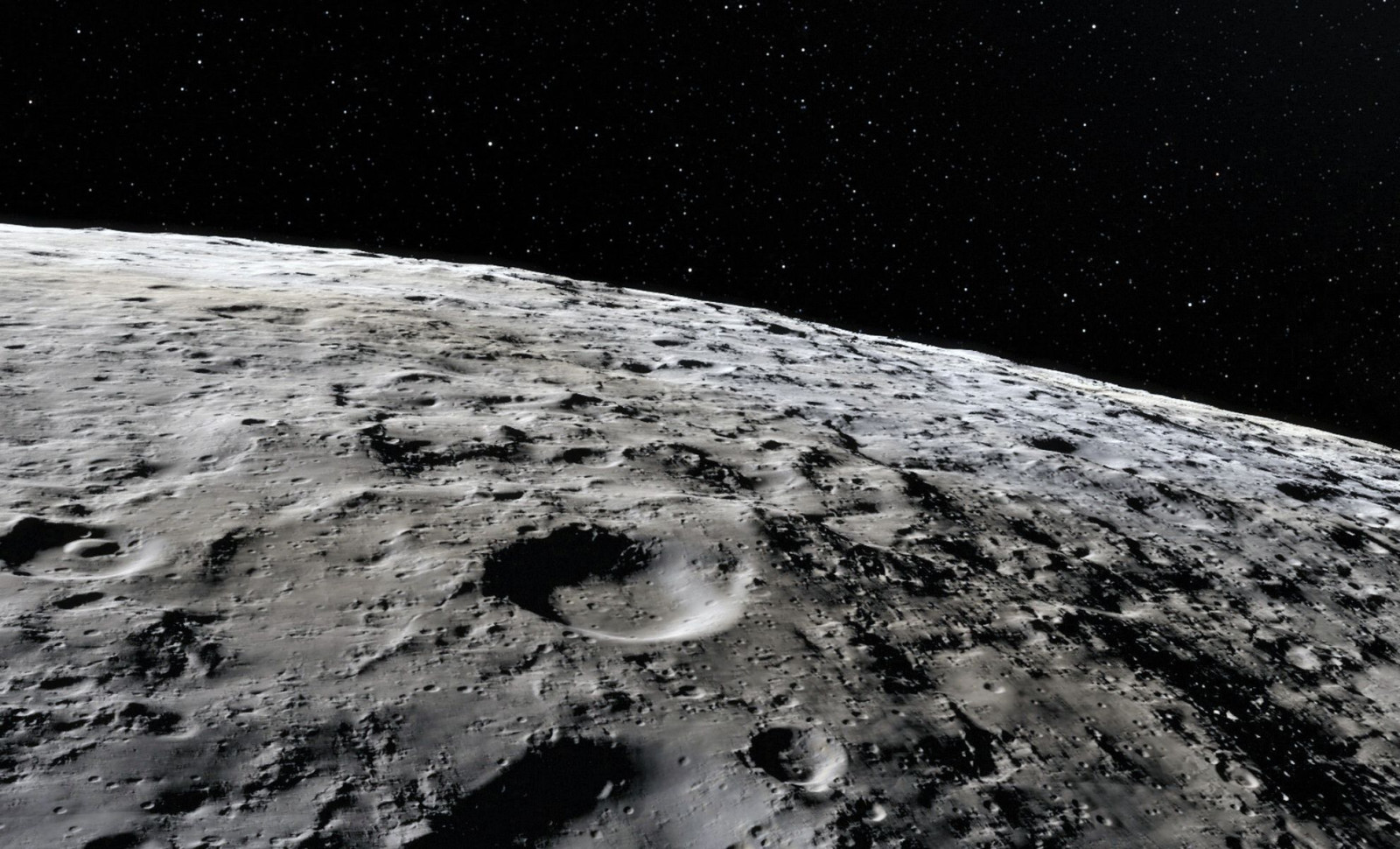
Scientists are using lunar soil to revisit one of the Solar System’s enduring mysteries: the origin of Earth’s water. For many years, the prevailing idea suggested that water-rich meteorites bombarding the early Earth were largely responsible for delivering its oceans.
However, a fresh study spearheaded by Tony Gargano, a postdoctoral researcher at NASA’s Johnson Space Center and the Lunar and Planetary Institute, disputes this assumption. The researchers scrutinized lunar regolith from the Apollo moon missions with a breakthrough technique, uncovering compelling evidence that meteorites contributed very little water over the last four billion years.
Moon’s Surface as a Geological Time Capsule
The Moon’s landscape acts as a pristine logbook of impacts affecting the Earth-Moon relationship. Unlike Earth’s constantly changing crust shaped by tectonics and erosion, the lunar surface preserves an almost untouched history of meteor strikes.

“The lunar regolith is one of the rare places we can still interpret a time-integrated record of what was hitting Earth’s neighborhood for billions of years,” said Tony Gargano,
As outlined in NASA’s official release, the team employed triple oxygen isotope analysis, a precise method centering on oxygen, which dominates rocky materials and remains stable despite impacts or environmental changes. This technique enabled the identification of meteorite-derived components within the lunar soil, even after extensive surface disruption. Their results indicated that carbon-rich meteorites make up only about 1% of the regolith by mass.

Meteorites’ Minor Role in Earth’s Water Supply
Published in the Proceedings of the National Academy of Sciences, the findings suggest that even under optimistic assumptions, the water delivered by meteorites over four billion years accounts for only a small portion of Earth’s oceans.
This conclusion challenges the belief that late-arriving meteorites were a main source of Earth’s water. NASA scientist Justin Simon commented:
“Our results don’t say meteorites delivered no water… they say the Moon’s long-term record makes it very hard for late meteorite delivery to be the dominant source of Earth’s oceans.”
Using known water contents in carbonaceous meteorites, the team extrapolated from the lunar data to estimate delivery rates to Earth, adjusting for Earth’s larger size and impact frequency. Despite increasing these estimates roughly twentyfold to reflect Earth’s exposure, the calculated water quantity still falls short of explaining ocean volumes.
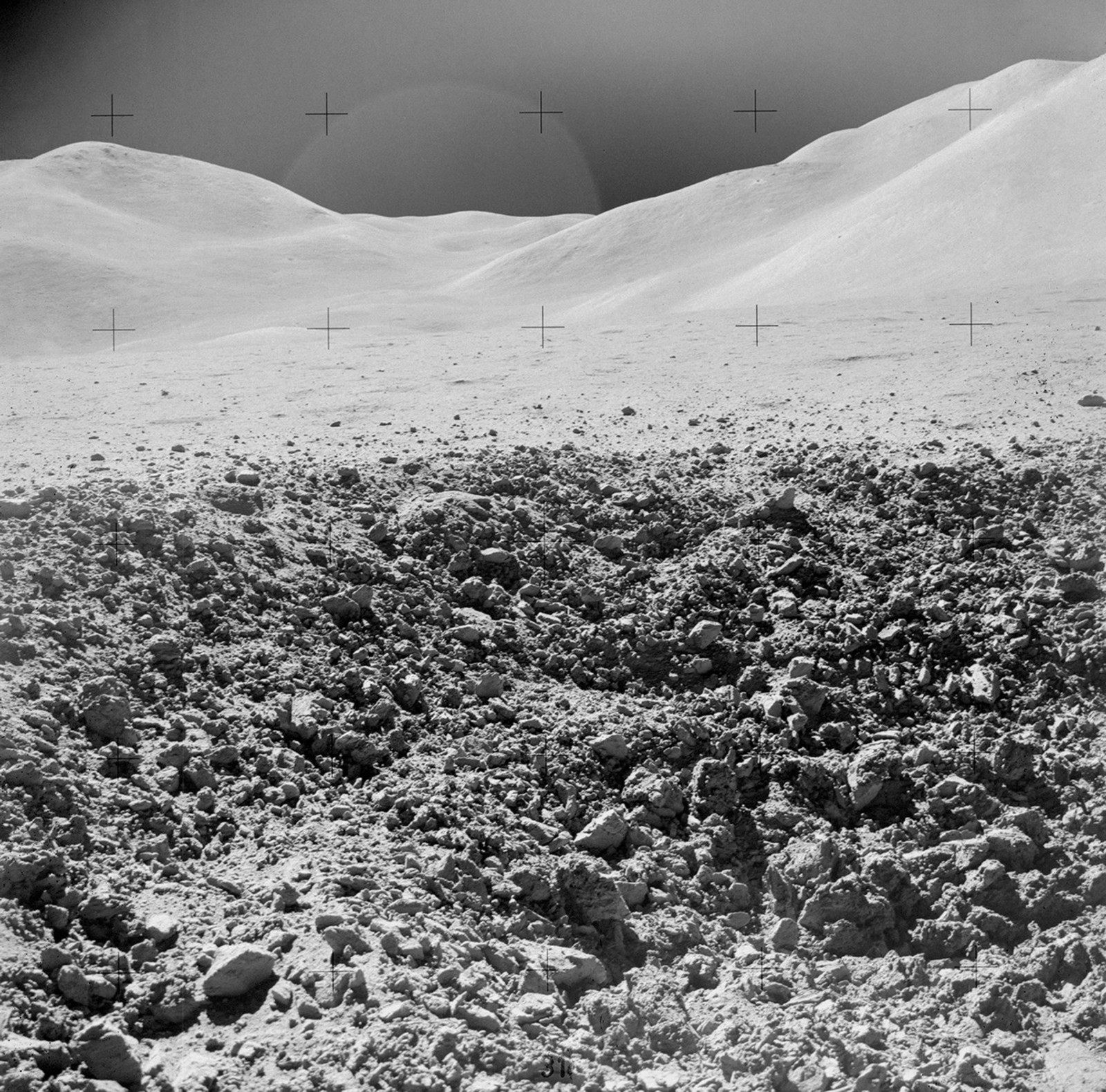
Enduring Legacy of Apollo Regolith Samples in Lunar Research
The research hinges on regolith specimens gathered during the six Apollo expeditions, all located near the lunar equator on the side facing Earth. These half-century-old samples continue to fuel fresh discoveries.
“I’m part of the next generation of Apollo scientists — people who didn’t fly the missions, but who were trained on the samples and the questions Apollo made possible,” said Gargano.
NASA’s upcoming lunar missions like Artemis III will explore new regions on the Moon, including permanently shadowed polar craters. These frigid areas are prime candidates to reveal further insights into the history of water delivery within the Earth-Moon system.
- Categories:
- Nasa







0 comments
Sign in to Comment