
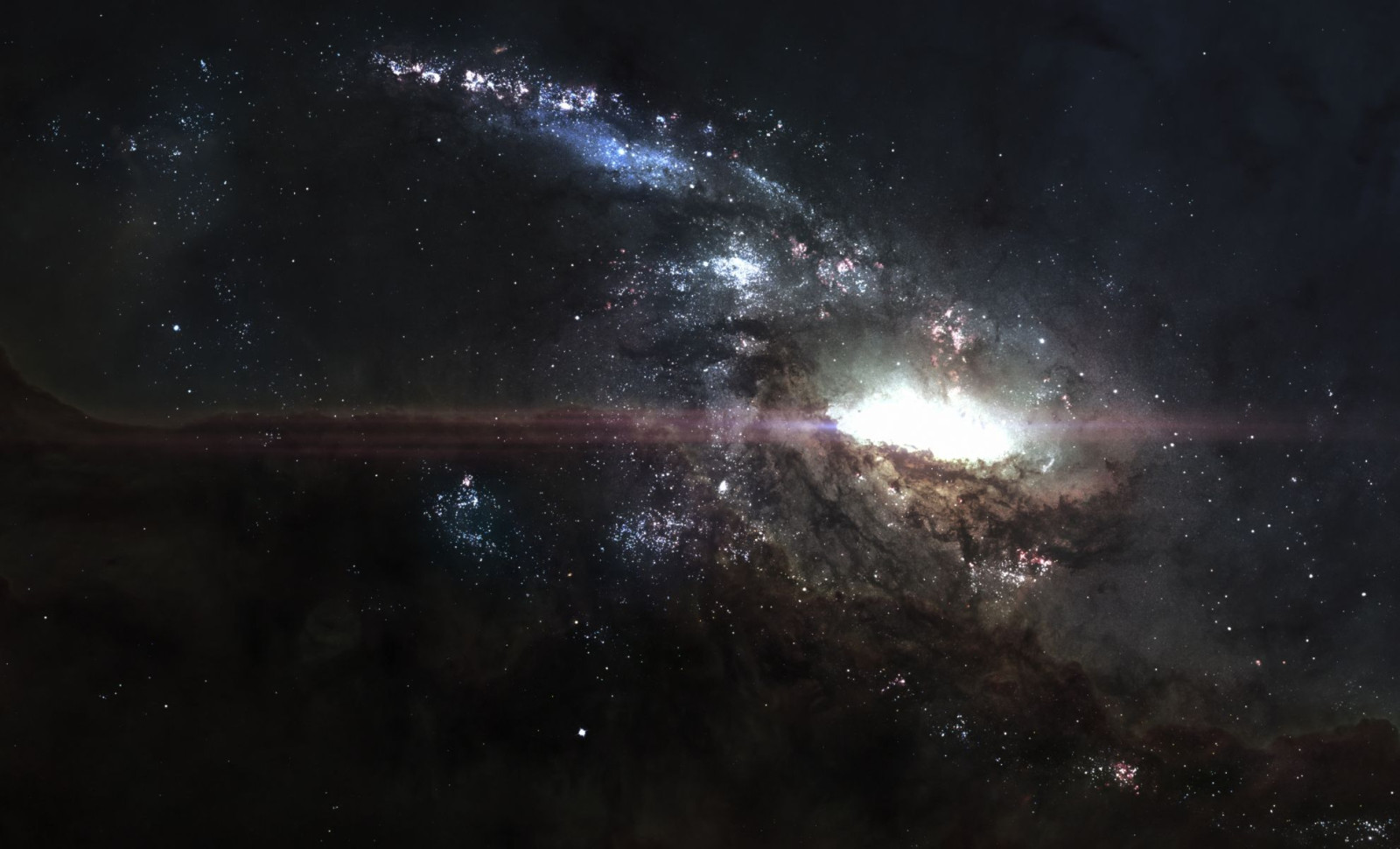
Spanning unimaginable distances, certain areas in the universe appear to be vast, empty regions known as cosmic voids. Yet, cutting-edge research challenges the idea that these expanses are simply voids devoid of content. Although they lack stars, galaxies, and detectable radiation, they still harbor crucial elements affecting the universe.
These voids represent enormous gaps between clusters of galaxies, traditionally thought to be completely empty. Nevertheless, advances in modern physics illustrate a more complex picture. Rather than being just barren spaces, they are infused with a form of energy that significantly influences cosmic evolution.
What’s Concealed Inside?
At first glance, cosmic voids look like regions nearly free of any material substance. Sparse stars and galaxies combined with minimal radiation have long suggested they hold no meaningful content. Yet, quantum field theory offers a new perspective that reframes this emptiness.

According to a SciTechDaily article, even seemingly empty space contains energy in the form of quantum fields, which pervade all corners of the universe, including the farthest voids.
Quantum field theory teaches us that particles like electrons and neutrinos are not basic building blocks but excitations within vast fields filling space-time. These fields emerged with the Big Bang and continuously exist everywhere. As a result, even in areas lacking visible matter, the very essence of space-time thrums with dynamic energy unseen by human eyes.
The Invisible Force Accelerating Cosmic Expansion
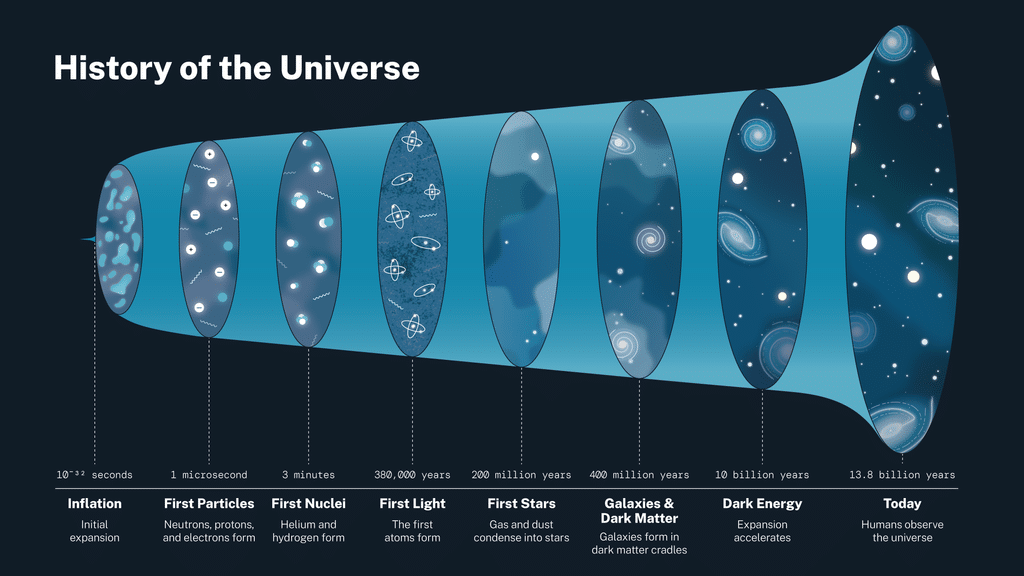
According to NASA, an elusive energy called dark energy is responsible for the universe’s accelerating growth. In densely packed areas like galaxy clusters, gravity and matter play dominant roles.
“This theorized that this mystery component could be attributed to something called “vacuum energy,” which is a theoretical background energy permeating all of space,” explained the U.S. Space Agency.
In contrast, within the vast emptiness of cosmic voids, vacuum energy—or dark energy—becomes the prevailing influence. Due to the scarcity of matter in these regions, dark energy’s impact emerges more distinctly.
Dark energy first came to light in the late 1990s when astronomers noticed galaxies receding from each other at increasingly rapid speeds. These observations, detailed in scientific publications, revealed the presence of a hidden force driving accelerated expansion. Presently, cosmic voids are recognized as regions where dark energy manifests most potently.
What Awaits When Cosmic Space Diminishes?
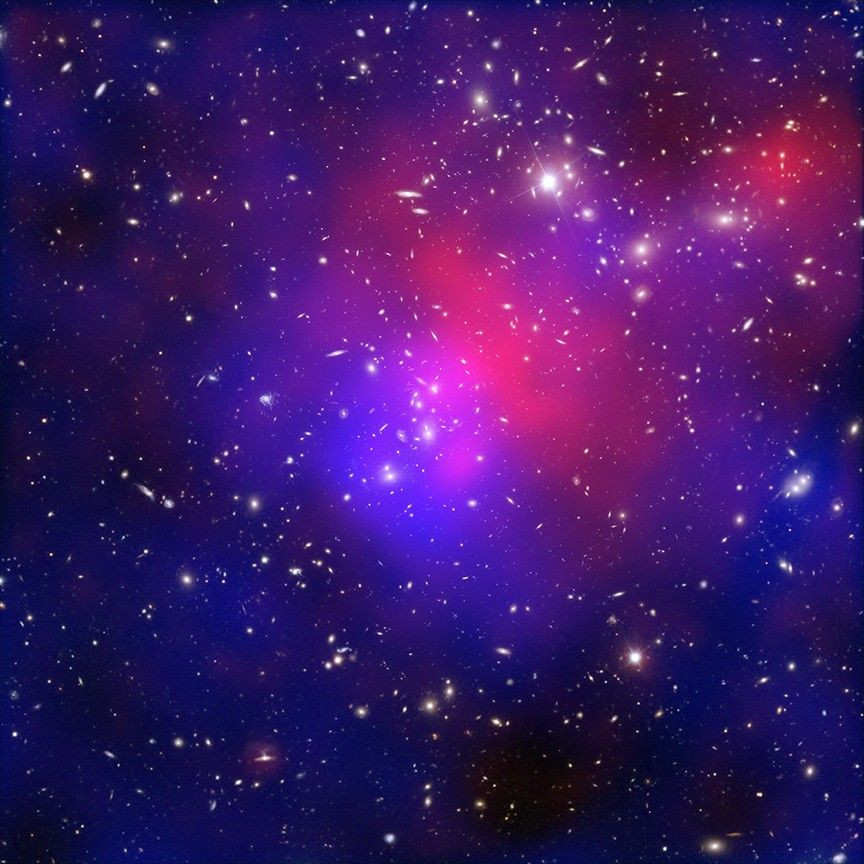
The significance of cosmic voids extends beyond theory; these volumes continuously expand, actively reshaping the large-scale fabric of the cosmos. Over billions of years, their growth applies pressure on adjacent matter, stretching and reshaping the cosmic web made up of galaxies and clusters.
As noted, these voids will keep expanding, progressively unraveling cosmic structures as vacuum energy propels the universe’s enlargement to unprecedented scales.
- Categories:
- Astronomy




0 comments
Sign in to Comment