

While Earth's surface temperatures continue to rise, scientists have long observed a cooling trend in the planet's upper atmosphere. Recent research has now uncovered the physical reasons behind this intriguing atmospheric behavior.
Published in Nature Geoscience, the investigation conducted by Columbia University experts sheds light on a mechanism climate scientists have monitored since the 20th century, linking it to the impact of increasing human-driven CO2 emissions.
The study highlights how infrared radiation travels through the upper atmospheric layers and why certain wavelengths play a more significant role in cooling than others. Researchers refined mathematical models and validated them against climate simulations and real atmospheric data until they achieved accurate alignment.

CO2's Unique Cooling Role in the High Atmosphere
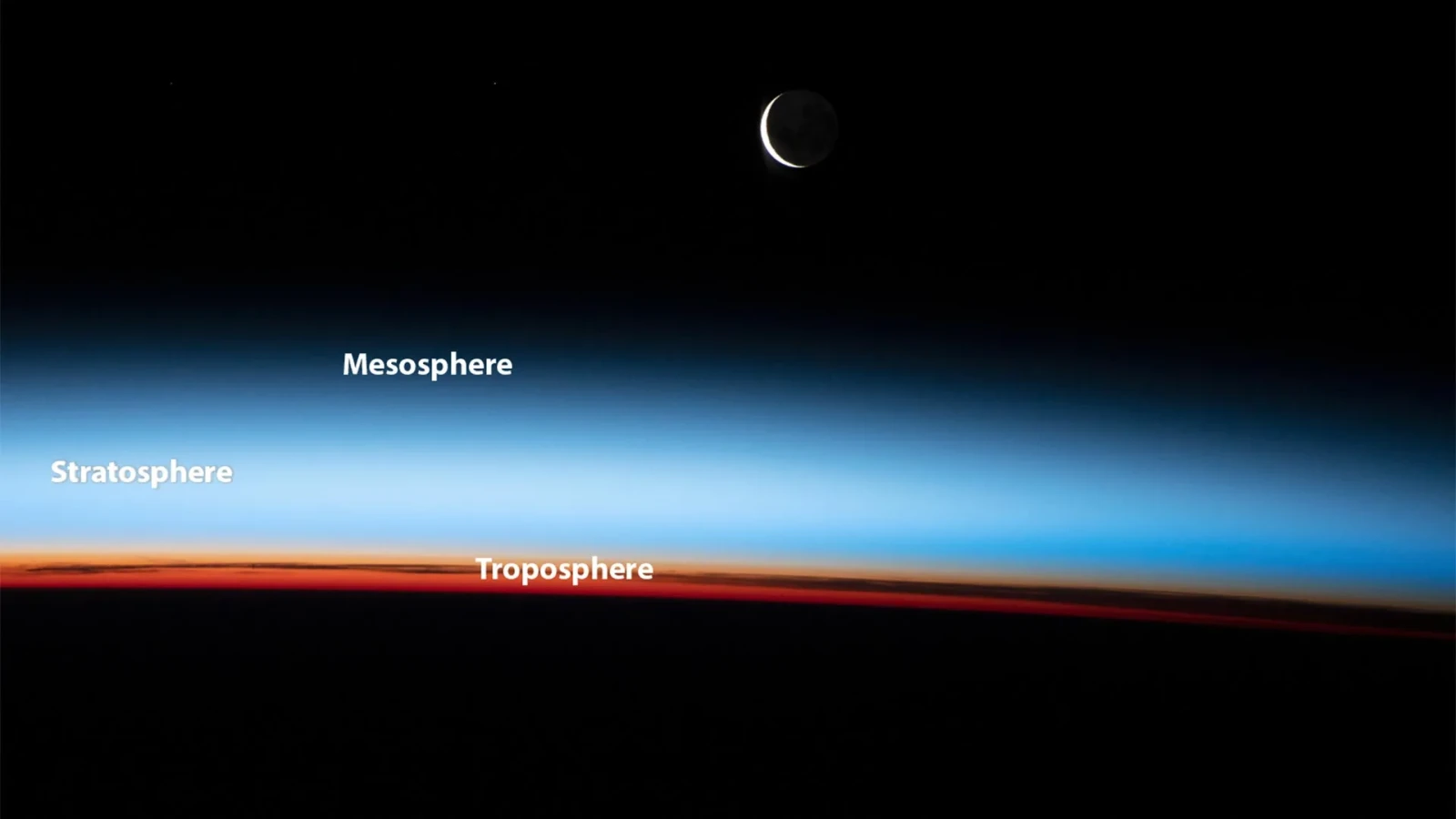
The stratosphere, spanning from about 11 to 50 kilometers above the Earth’s surface, plays a crucial role in this process. Here, carbon dioxide absorbs infrared heat emanating from lower layers and radiates a portion of it back into space.
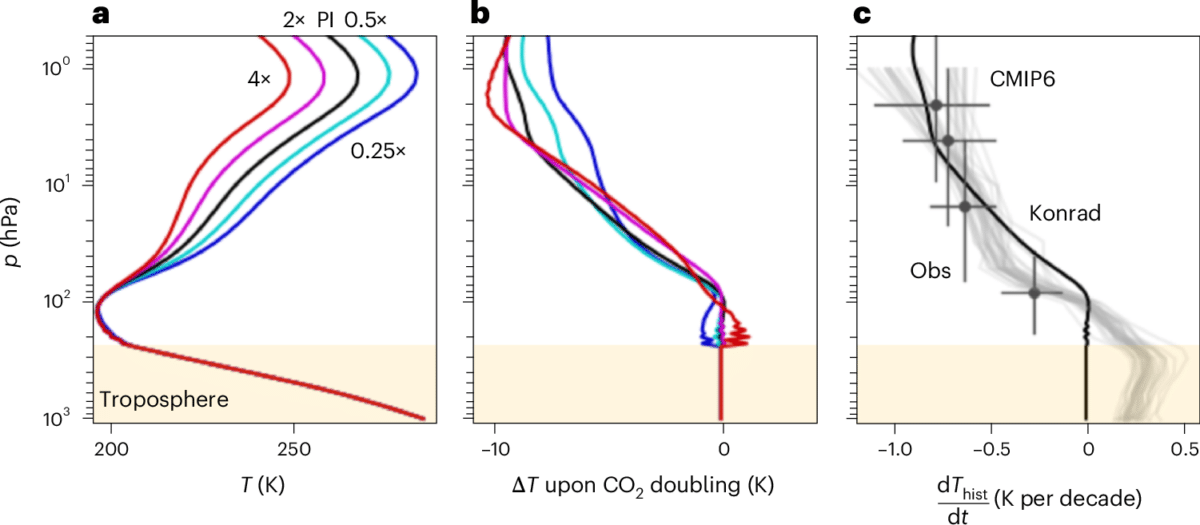
The findings reveal that rising concentrations of CO2 enhance the stratosphere’s ability to emit heat, leading to a gradual temperature decrease. Since the mid-1980s, the stratosphere has cooled by an estimated 2°C.
This cooling effect was anticipated decades ago. Initially predicted during the 1960s through pioneering climate models by Nobel laureate climatologist Syukuro Manabe, the precise factors controlling the rate of cooling remained elusive for years.
“The existing theory was incredibly insightful, but at the moment we lack a quantitative theory for CO2-induced stratospheric cooling,” lead author Sean Cohen said through Columbia’s Lamont-Doherty Earth Observatory.
Identifying the Infrared “Sweet Spot” for Cooling
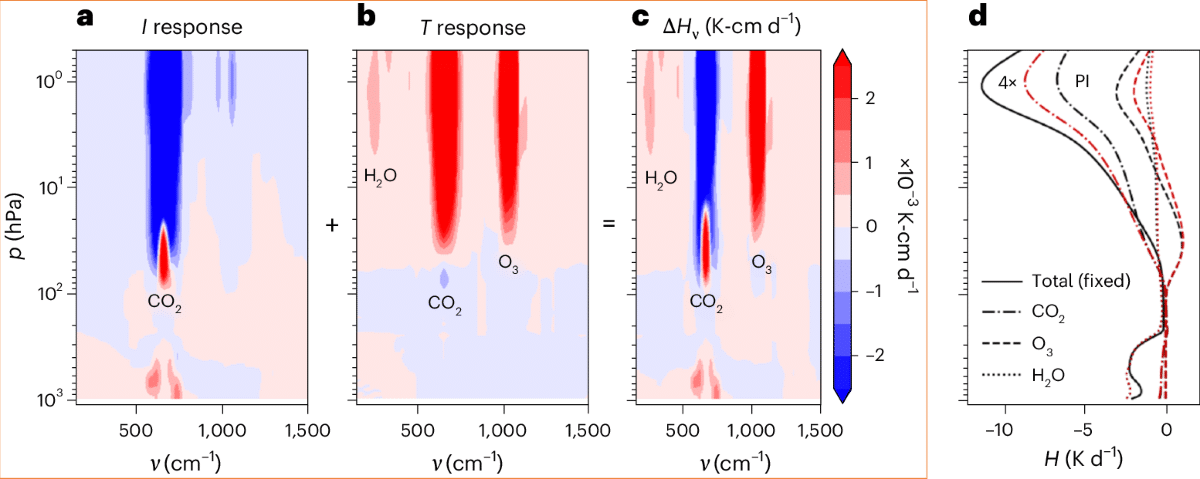
Delving deeper, the Columbia team examined the behavior of various infrared wavelengths within the atmosphere. Their study identified specific wavelengths that are particularly efficient at facilitating heat loss in the stratosphere.
This targeted range is described as a “Goldilocks zone,” for infrared radiation where energy escapes most effectively. As CO2 concentrations climb, this zone expands accordingly.
“It’s those changes in efficiency that are going to ultimately be what’s driving stratospheric cooling,” Cohen explained in comments accompanying the Nature Geoscience publication.
The investigation also considered the roles of ozone and water vapor, which influence heat transport, but found their impact on stratospheric cooling to be minor when compared to CO2.
Additionally, cooling is not uniform across the stratosphere; temperature decreases are more pronounced at higher altitudes, particularly near the stratopause — the upper layer boundary of the stratosphere.
Clearer Evidence of a Crucial Climate Indicator
Correlating their data with longstanding atmospheric observations, researchers determined that with each doubling of atmospheric CO2, temperatures near the stratopause decline by approximately 8°C.
Scientists from Columbia’s Climate School noted this cooling triggers a feedback mechanism affecting Earth’s energy equilibrium: as the stratosphere cools, less infrared energy escapes into space, trapping more heat closer to the surface.
The researchers emphasized the study's purpose was not to demonstrate the reality of global warming, but rather to deepen understanding of atmospheric responses to rising greenhouse gas levels.
They also highlighted potential applications for this knowledge in analyzing atmospheres beyond Earth, including those of other planets in our solar system and exoplanets far from home.
- Categories:
- Science








0 comments
Sign in to Comment