
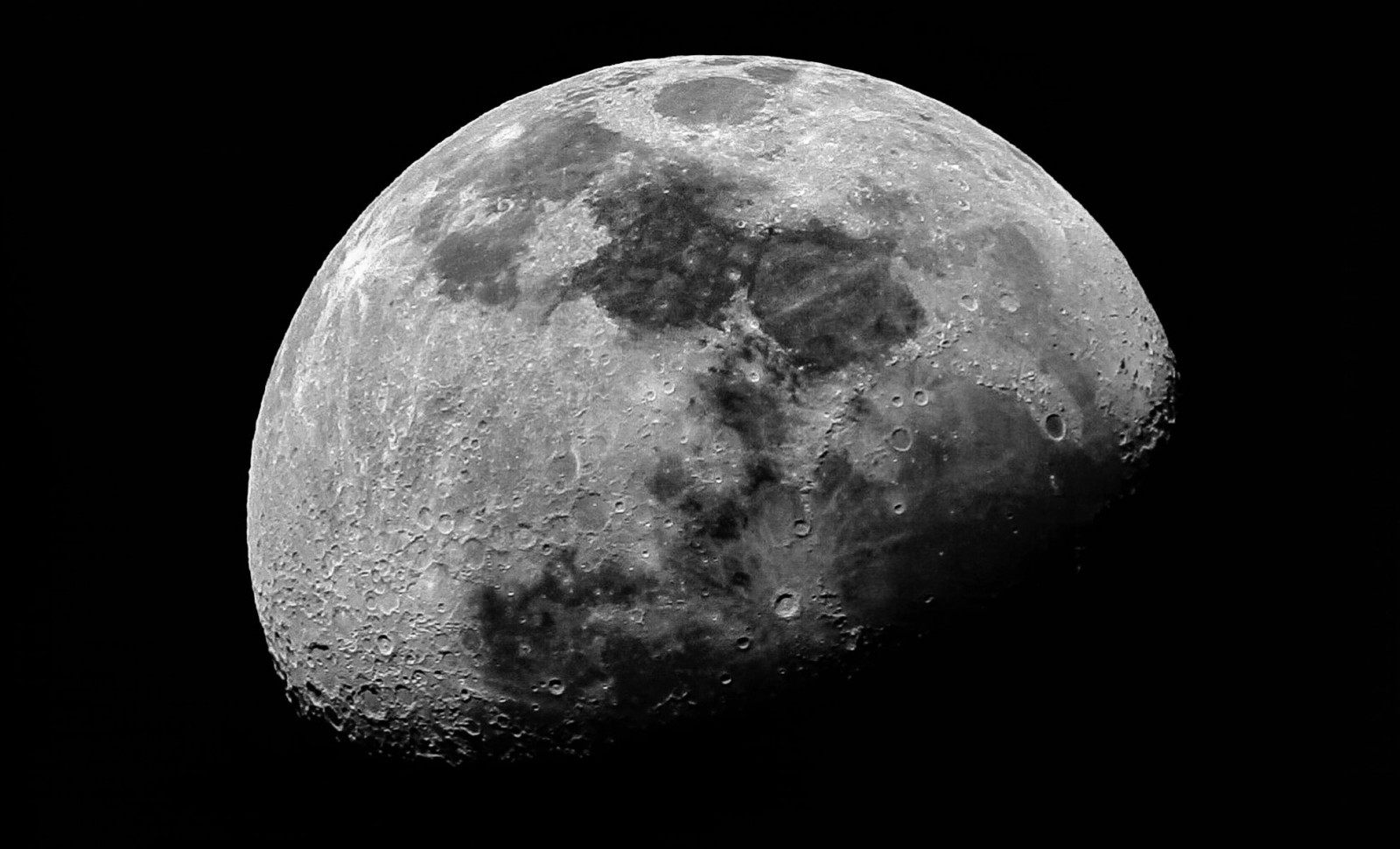
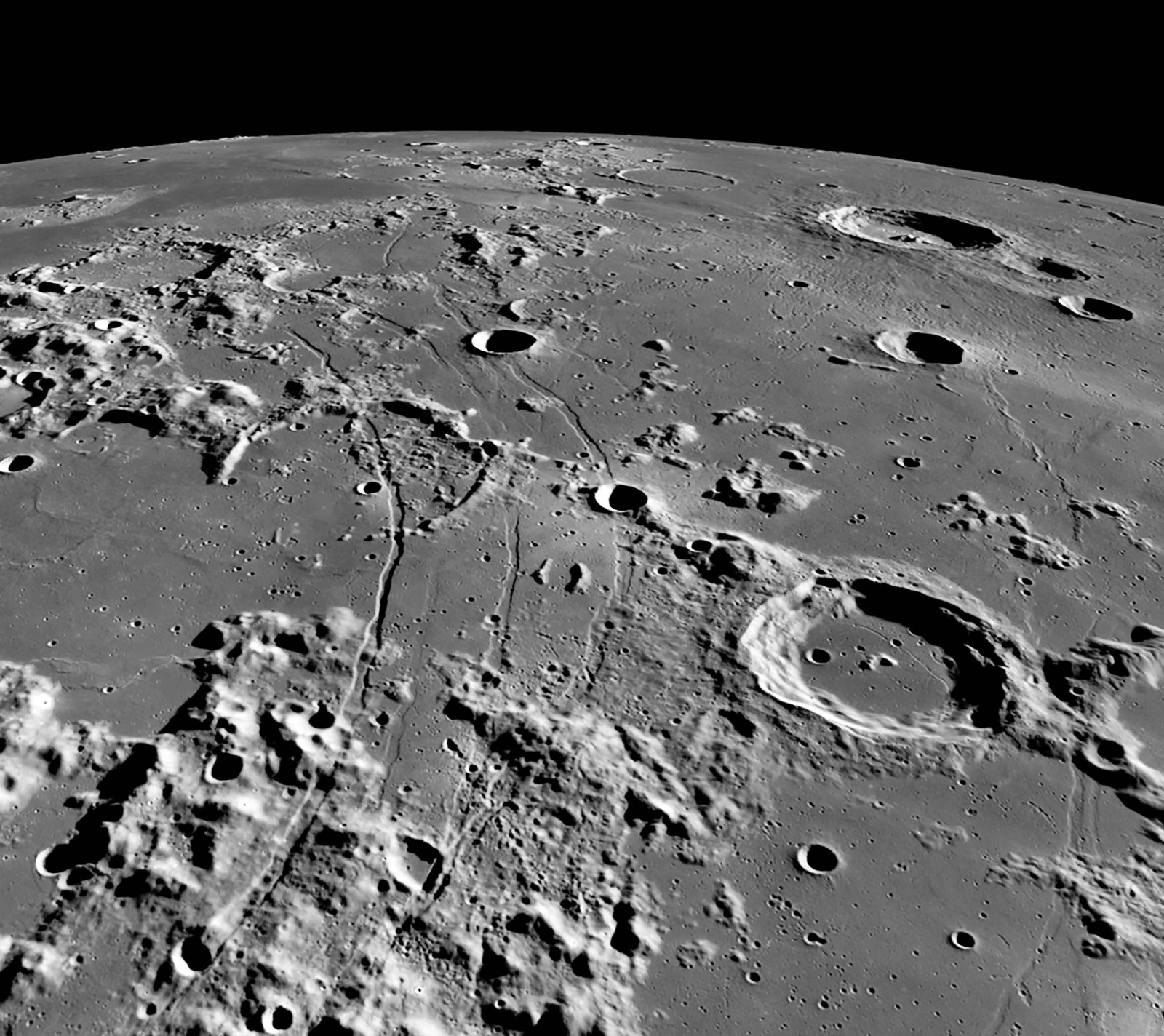
NASA's Lunar Reconnaissance Orbiter Camera (LROC) has released striking photographs showcasing extensive fractures scattered across the Moon's surface. These features, known as grabens, encircle the aged Mare Humorum basin and provide evidence of when the Moon's crust cracked under stress from cooling volcanic lava flows.
Beyond their impressive visuals, these images give researchers valuable insight into the Moon’s ancient geological processes, illustrating how its landscape was dramatically altered by volcanic and tectonic forces over billions of years.
Understanding Grabens and Their Importance
A graben is essentially a long, sunken block formed when a section of the crust sinks between two faults as the surface pulls apart. These large-scale cracks are among the most prominent tension features on the lunar surface and tend to appear near lunar mare basins — vast, dark volcanic plains.

Thomas Watters and colleagues at the Smithsonian highlight that these grabens reveal a phase in lunar history marked not just by compression but significant crustal stretching and fracture.
Moreover, grabens act as a geological archive of the Moon’s early volcanic and tectonic activity. Utilizing detailed photographs from NASA’s LROC, Watters’ team identified over 1,800 distinct graben segments on the Moon's near side.
Mare Humorum: Evidence of Lunar Crustal Stretching
The European Space Agency (ESA) describes Mare Humorum as a circular basin located on the Moon’s southwestern side, filled with basaltic lava that solidified during the Imbrian epoch — roughly 3.7 billion years ago.
Research published in the Journal of Geophysical Research: Planets indicates that intense volcanic eruptions and impacts led to lava flooding the basin. As the molten rock cooled and contracted, the crust beneath bent inward, imposing stresses that shattered the adjacent rock layers, forming concentric graben rings.
These grabens encircle the basin in layers akin to an onion, each ring representing distinct phases of the Moon’s crust reacting to volcanic influences.
Lunar Tectonics Continue to Shape the Surface
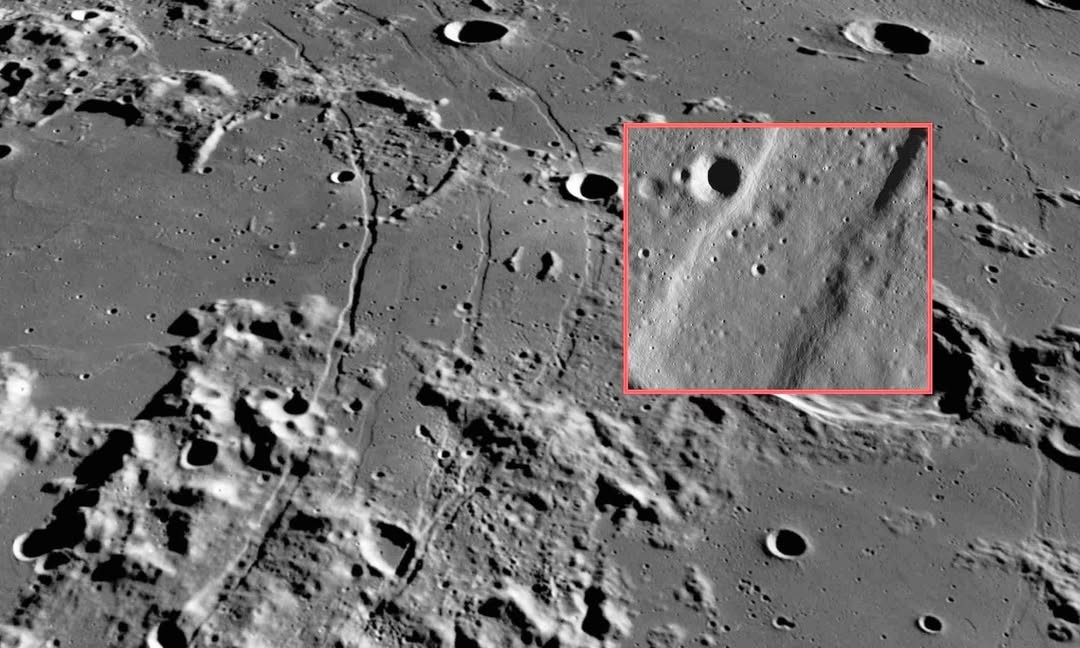
Some grabens revealed by the new imagery are much younger, estimated to have developed less than 50 million years ago. The Moon’s crust remains dynamically active, slowly shifting as its interior cools and contracts.
This ongoing surface fracturing reflects the Moon’s overall contraction, while localized stretching occurs, especially in areas with previously weakened crust, such as regions around Mare Humorum.
- Categories:
- Astronomy









0 comments
Sign in to Comment