
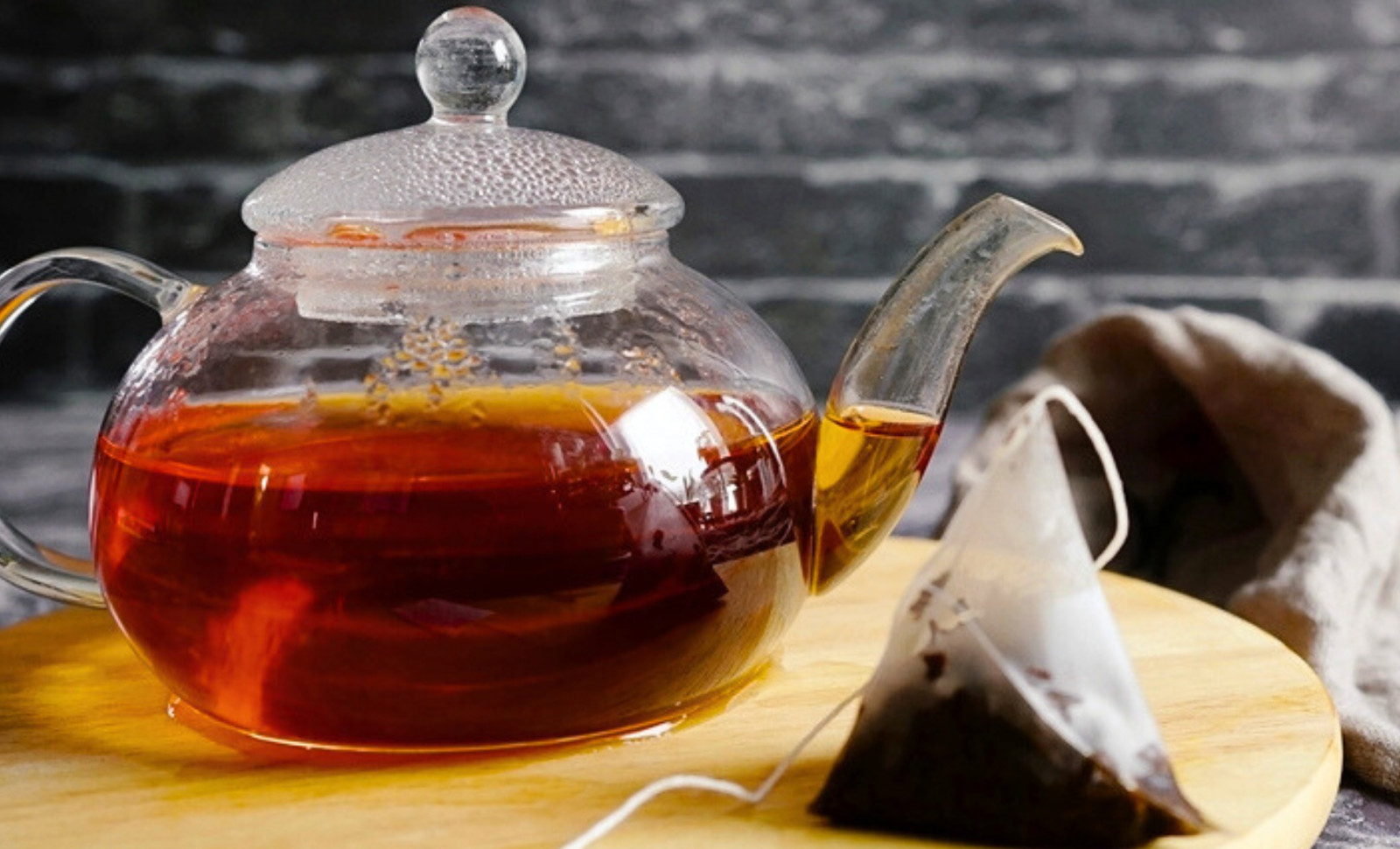
Enjoying a simple cup of tea might seem straightforward: hot water, dried leaves, and a few minutes to steep. However, recent investigations have brought attention to a surprising source of contamination in this familiar beverage: the tea bag itself.
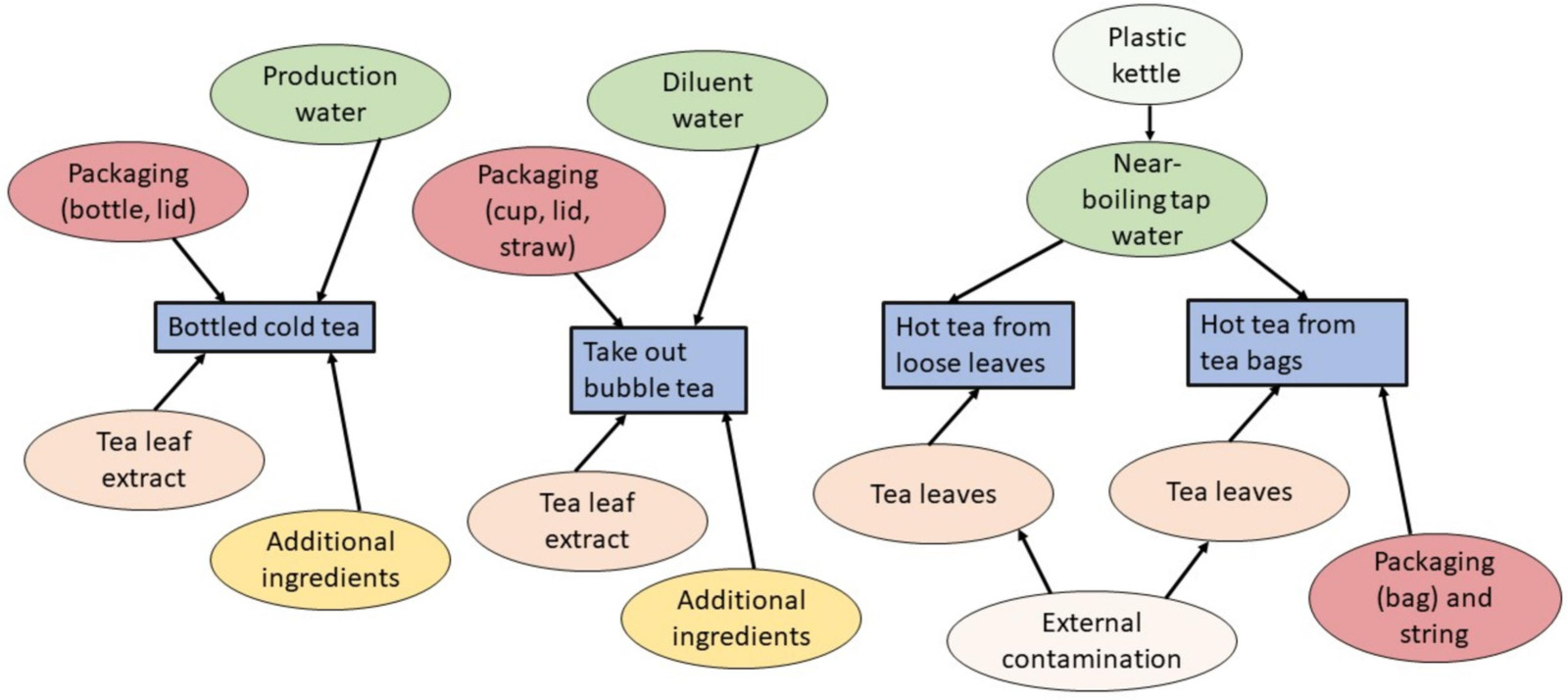
A comprehensive review published in Food Chemistry synthesized studies on the presence of microplastics and nanoplastics in tea drinks. It identified several avenues through which these plastic particles can infiltrate tea—ranging from the water used during production, contaminated tea leaves, packaging materials, to the teabags steeped in boiling water. Among these, the research highlights teabags as the predominant source.
This does not imply uniform contamination levels in every cup or definitive conclusions on health risks. Still, the findings suggest that seemingly paper-like teabags can, under certain conditions, release significant amounts of plastic particles during brewing.

Why Teabags Are Under Scrutiny
The study, led by Neamatollah Jaafarzadeh Haghighi Fard, Faezeh Jahedi, and Andrew Turner, analyzed data related to tea drinks, their packaging, and the teabags themselves. The principal conclusion was clear: steeping teabags in hot water is the main contributor to microplastics and nanoplastics in tea.
This challenges some common consumer perceptions. While certain teabags use paper-like materials, others incorporate plastic mesh or composite materials. According to Earth.com, pyramid-shaped bags often contain plastic mesh, and some combine plant fibers with plastic components. Even cellulose-based bags may have polypropylene layers for sealing seams under heat.
Additionally, the review found that biodegradable and composite plastic-cellulosic teabags also release microplastics and nanoplastics, though often at lower quantities than fully plastic counterparts.
Plastic Particles in the Billions
One of the most striking details is the magnitude of plastic particle release. The abstract notes that a single plastic teabag can emit over 1 billion particles when steeped in boiling water.
Earth.com provides further insight from specific studies within the review, reporting about 14.7 billion particles released from one plastic teabag in certain experimental conditions, with other studies noting estimates around 1.3 billion particles per bag.
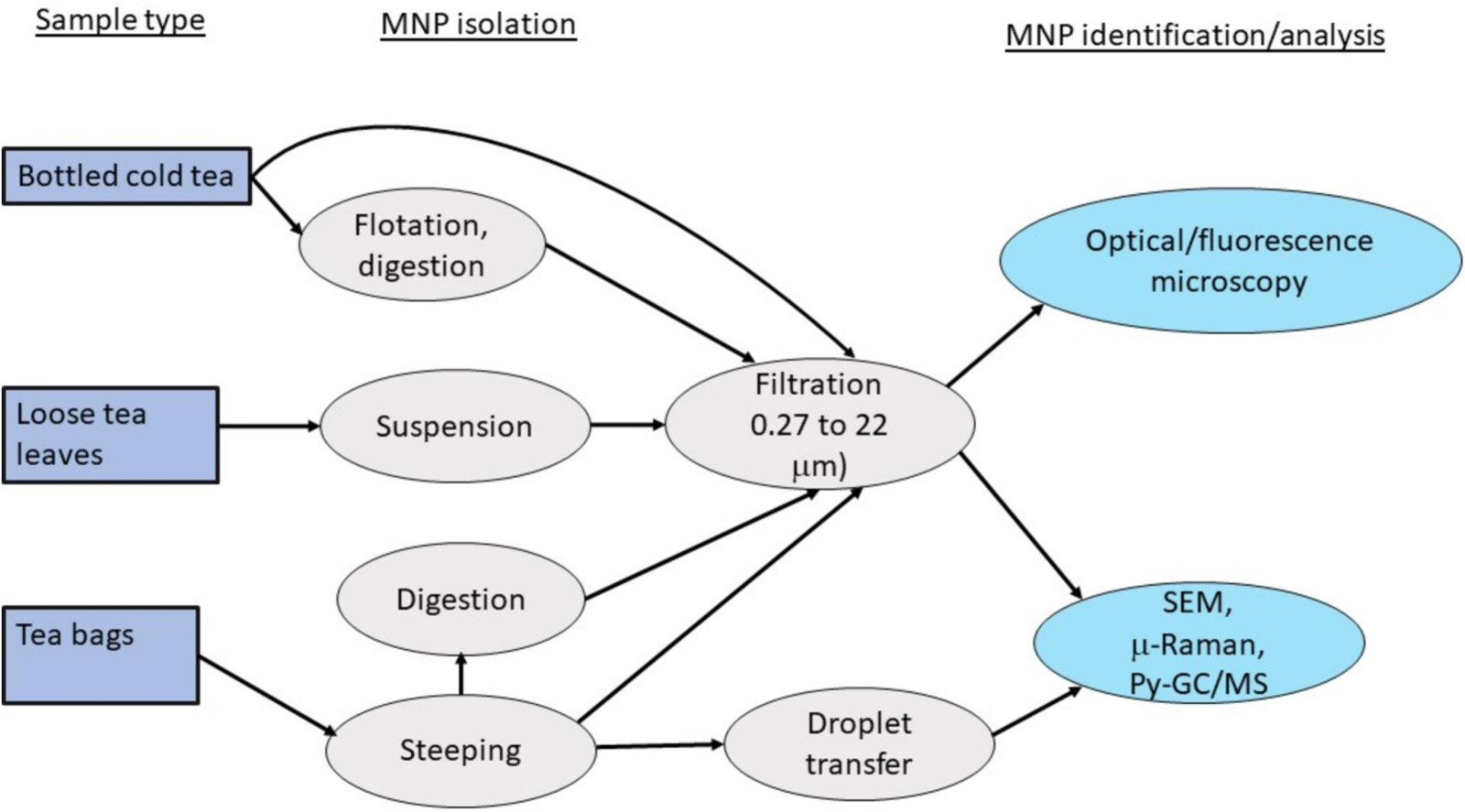
Despite these large figures, variation in methodology—especially particle size thresholds used in detection—means these values are not fixed for every tea product. Filters that capture only larger fragments may record fewer particles compared to finer analytical methods. This accounts for wide variations across different laboratory findings.
The Challenge of Measuring Plastic Contamination in Tea
Detecting plastic particles in tea is complex. Particles are often minuscule, requiring confirmation of their chemical identity and polymer type. The review highlights variability in isolation and identification techniques as a key factor causing inconsistent results across studies and brands.
Contamination during testing also poses a challenge. Earth.com emphasizes that fibers from clothing, laboratory water impurities, plastic instruments, and airborne dust can influence samples unless rigorous controls are maintained. Thus, methodological rigor forms a crucial aspect of this research field.
The review presents two main points: plastic particles are frequently detected in tea-based drinks, raising concerns, yet reported quantities strongly depend on the analytical approach used.
Plastic-Related Chemicals Also Pose Concerns
Beyond particles, the paper discusses additives and chemical residues linked to plastics. It notes that some studies identified leaching of additives and residues during steeping, though it remains uncertain whether these substances originated from intact teabag material or from plastic particles released into the tea.
Reports from Earth.com mention the detection of compounds such as plasticizers, degradation products, and bisphenol-like chemicals found in tea infusions. The exact pathways—whether from bag materials, fragmented particles, or contamination during production—are still unclear.
Regarding health implications, the review remains cautious. It acknowledges worries because teabags can yield higher microplastic and nanoplastic concentrations than other foods or drinks but stops short of confirming harm in humans. Earth.com references preliminary lab studies involving aquatic organisms and human intestinal cell models; however, these do not establish clinical effects in people.
The key insight isn't that tea itself is problematic, but that familiar packaging can be a significant plastic contamination source when exposed to boiling water. Across tea-based beverages, microplastics and nanoplastics come from multiple origins, but the teabag stands out as the dominant contributor.
- Categories:
- Science









0 comments
Sign in to Comment