
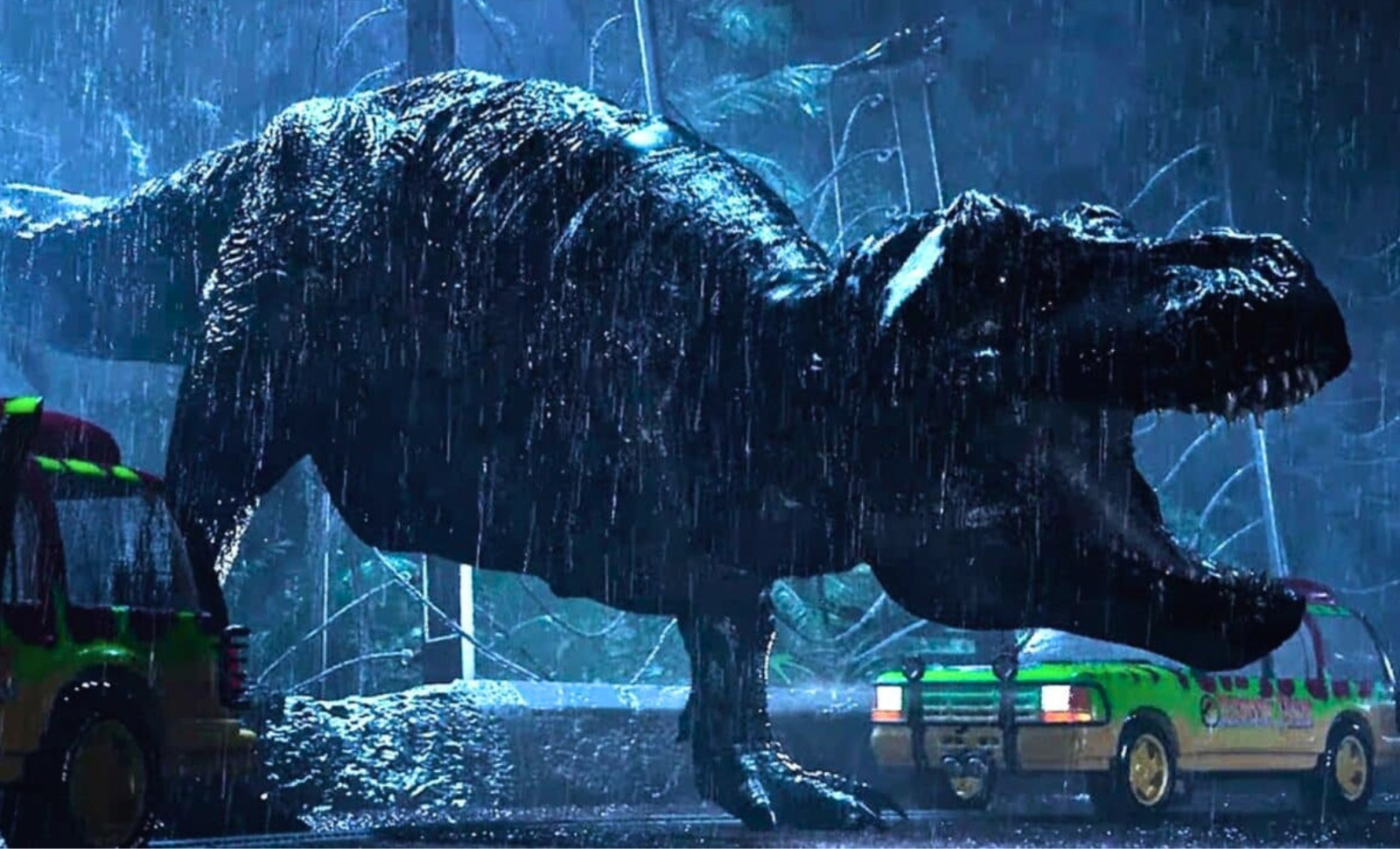
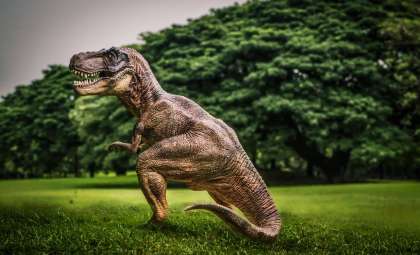
For the past thirty years, the Tyrannosaurus rex has been portrayed as a heavy-footed dinosaur, stomping the ground like a living wrecking ball. This portrayal, famously depicted in the 1993 film Jurassic Park, has influenced everything from museum exhibits to popular media.
Now, paleontologists have overturned this long-held perception.
In a recent paper published in Royal Society Open Science, researchers present the first biomechanical investigation focused on the foot strike of T. rex. Their results show that this dinosaur did not walk with its heel touching the ground. Instead, it moved with a toe-first, digitigrade gait, closely resembling the way modern ostriches walk. This discovery reshapes a foundational image in paleontology and prompts a revision of how quickly T. rex might have moved.

Implications of a Toe-First Gait
Mammals, such as humans and bears, have plantigrade locomotion, distributing their weight evenly across heel and toe through the sole. Birds, in contrast, walk digitigrade—elevating the heel and supporting their body weight on the toes. This posture lengthens the limb’s effective length and leverages elastic tendons to enhance energy efficiency.
The team analyzed fossilized leg and foot bones of T. rex and constructed three possible models of foot strike: heel-first, mid-foot, and toe-first. Using biomechanical equations scaled by body size, they tested the feasibility and consequences of each model. The digitigrade foot strike best matched the skeletal structure, suggesting that T. rex placed weight on its toes with a spring-like mechanism rather than pounding the entire foot down.
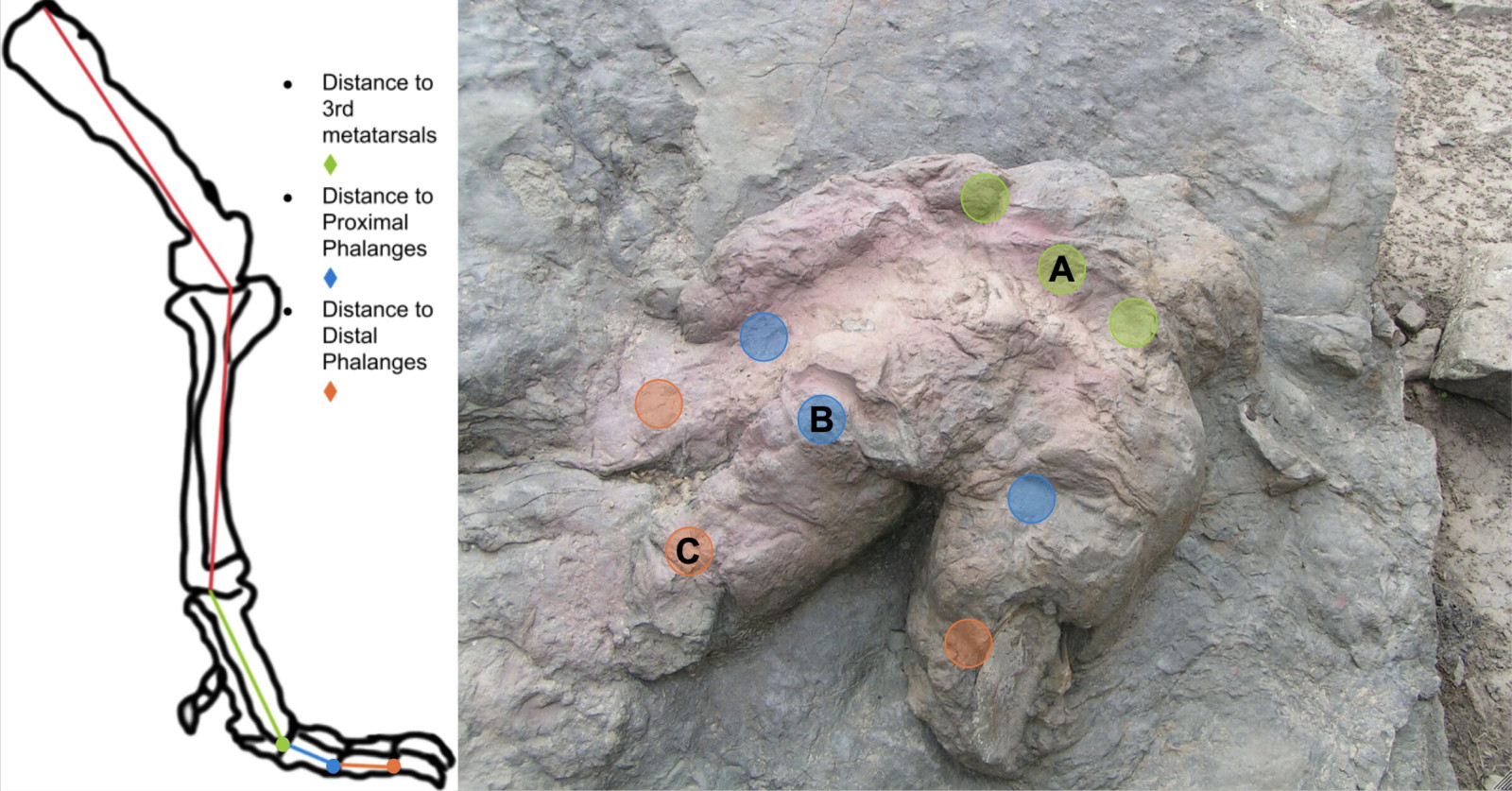
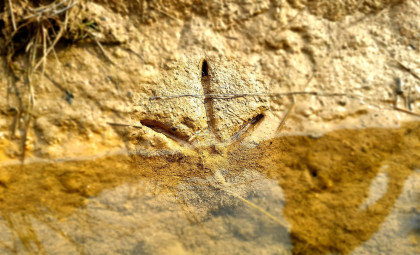
Fossilized footprint evidence helped support this view. The study notes that many theropod trackways show deeper imprints beneath the toes compared to the rest of the foot, indicating a forward-loaded weight distribution. Although substrate conditions like mud or sand can influence footprint shapes, the authors treated these data as supportive rather than conclusive.
Reevaluating T. rex Speed and Agility
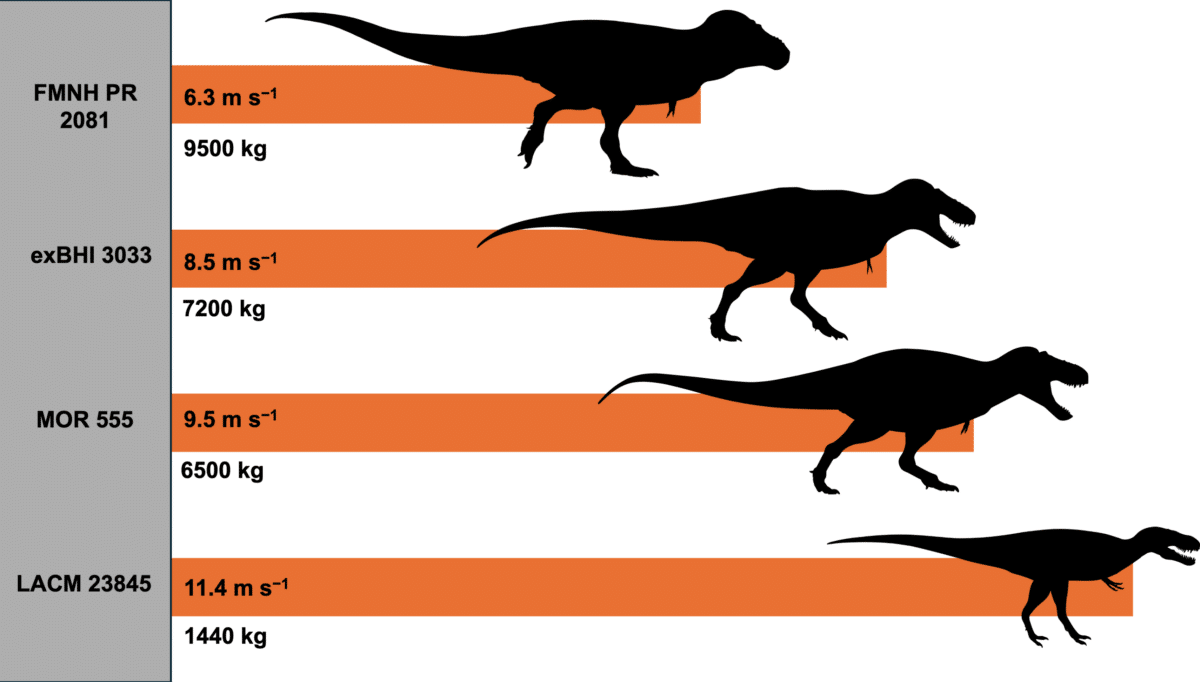
This new foot strike perspective also increases estimates of T. rex’s top speed. The research calculates that adult T. rex could have reached speeds between 5 and 11 meters per second, equivalent to about 11 to 25 miles per hour. The digitigrade posture provides around a 20% improvement in estimated velocity compared to previous flat-footed models.
While this doesn’t suggest the creature was a Hollywood-style sprinter chasing jeeps, it portrays T. rex as a more nimble and efficient hunter than traditionally thought. A toe-first gait enhances energy efficiency, balance, and stride length — crucial traits for an eight-ton predator navigating rough terrain.
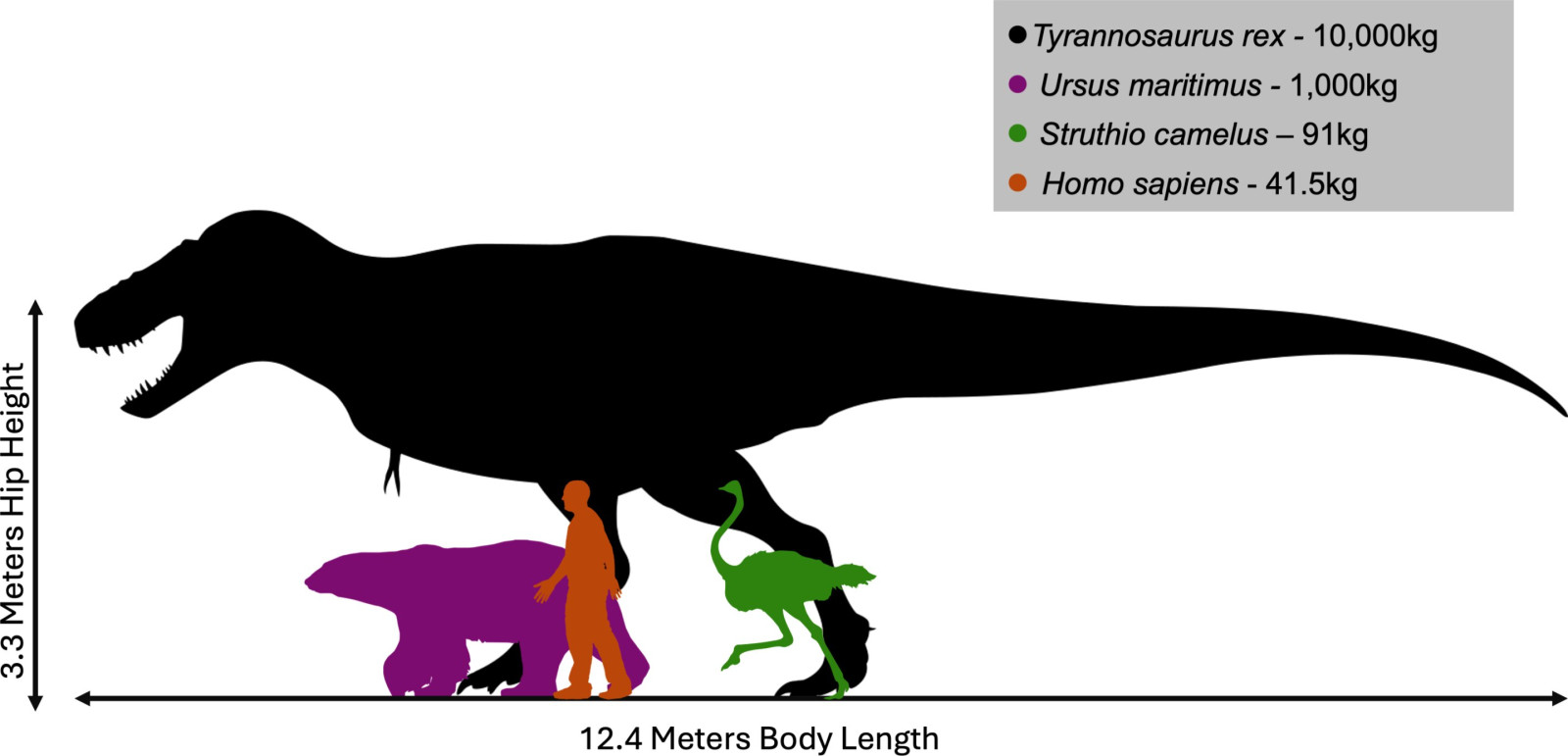
Age also affected locomotor performance. Juvenile T. rex, smaller and leaner, may have reached speeds near the upper estimate of 25 mph. In contrast, fully grown adults like the famed specimen Sue were likely limited to around 11 mph. This pattern echoes observations from current large animals, where greater mass restricts maximum speed despite stronger muscles.
New Perspectives on a Persistent Debate
The speed capabilities of T. rex have been contentious among scientists for years. A pivotal 2002 study by John R. Hutchinson and Mariano Garcia argued that sprinting at extreme speeds would require excessively bulky leg muscles, making such velocity unrealistic. The new findings uphold these physiological limits but introduce foot strike as a crucial factor that refines speed estimates within those bounds.
The ground contact style impacts stride mechanics, joint stresses, and energy storage. The digitigrade model implies that T. rex could generate more forward momentum from each stride than previously thought. This leads to a more nuanced understanding of the dinosaur than radically altering what we know from fossils.
This research exemplifies a growing trend in paleontology that integrates diverse lines of evidence. By combining skeletal analysis, trackway studies, and comparisons to living archosaurs (birds and crocodilians), the scientists crafted a comprehensive picture. None of these data sources alone can capture all biomechanical factors for a species extinct 66 million years ago. The convergence of multiple evidences supporting digitigrade locomotion strengthens confidence in these conclusions.
The image of a flat-footed, lumbering T. rex is giving way to one of a nimble giant walking lightly on its toes.
Impacts on Exhibitions and Media
This discovery has practical implications beyond academic spheres. Paleontologists can now interpret fossil trackways with improved accuracy. Biomechanical models used for research and education will incorporate a more realistic foot-strike pattern. Museums featuring T. rex mounted flat-footed may reconsider their displays, and documentary filmmakers might update their animations to reflect this new insight.
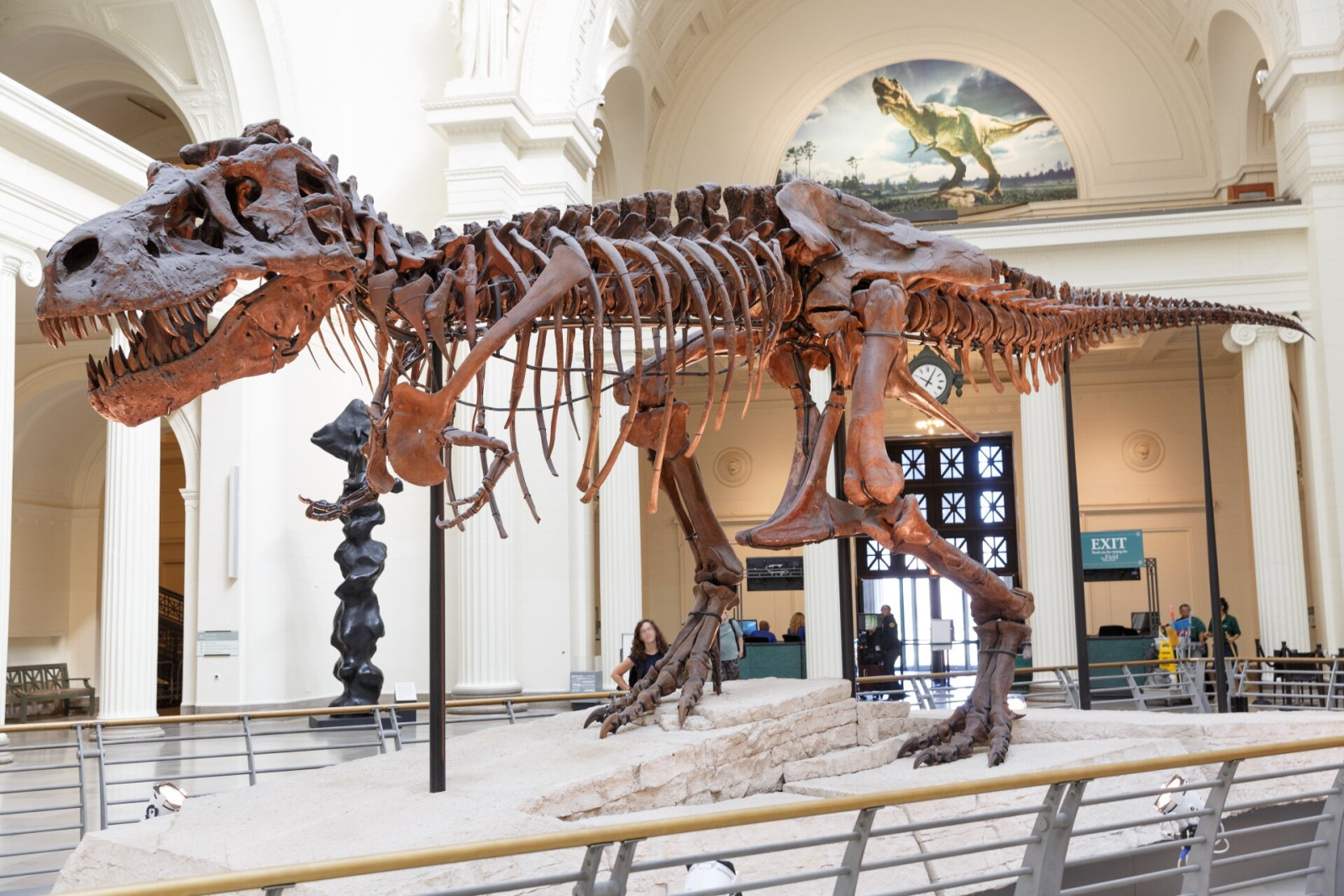
The findings also strengthen evolutionary links between theropod dinosaurs and present-day birds. Seeing T. rex stride across Cretaceous landscapes on its toes connects it directly with the gait lineage of modern ostriches roaming African plains. Still among Earth’s most formidable predators, this giant is now understood as precisely adapted to its environment, balancing expertly on bird-like limbs.
Adrian Tussel Boeye from the College of the Atlantic led the study, collaborating with Kyle Logan Atkins Weltman of Oklahoma State University, J. Logan King of Colorado Northwestern Community College, and the late Scott Swann.
- Categories:
- Science





0 comments
Sign in to Comment