
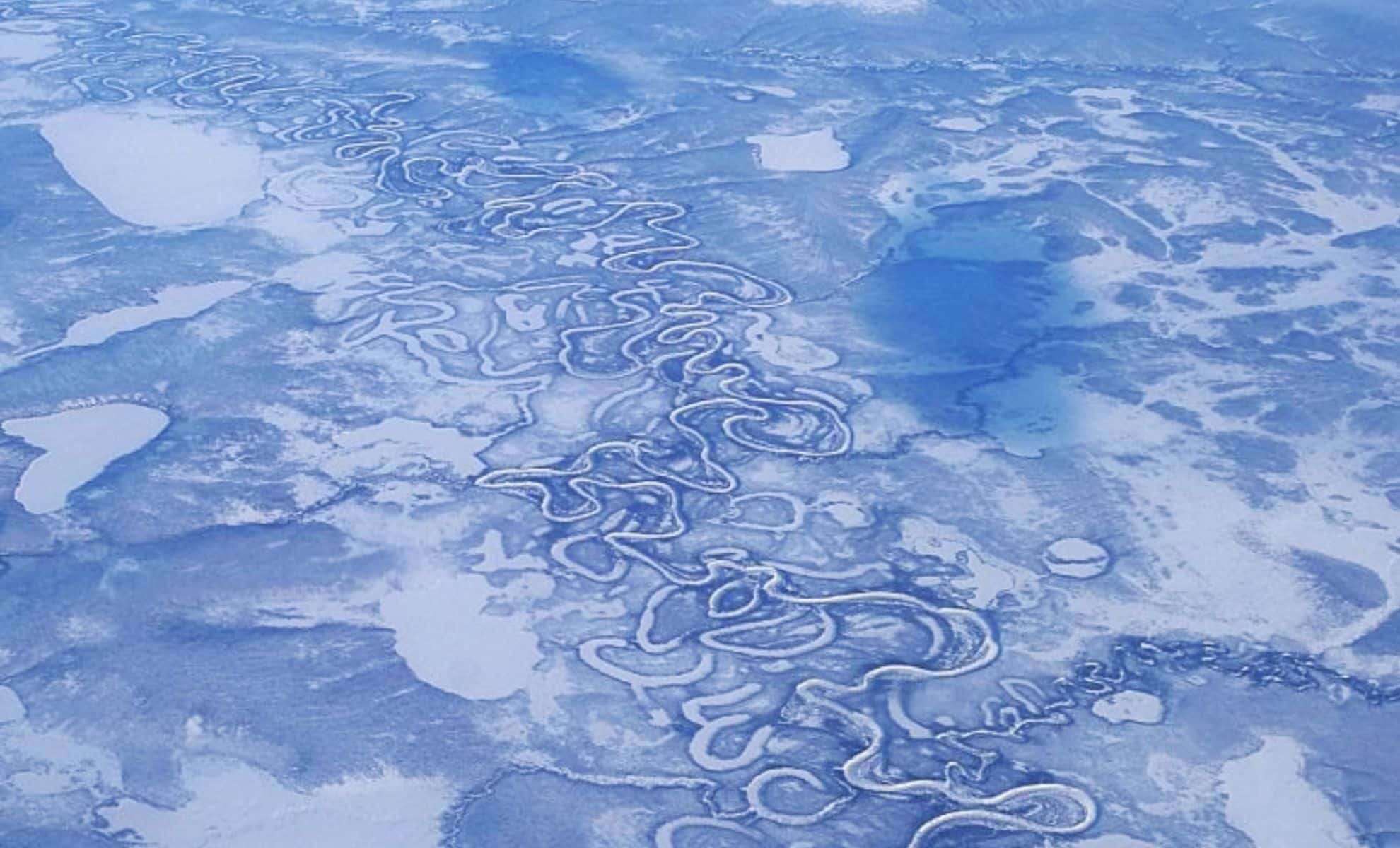
A recent comprehensive global analysis, featured in Nature, challenges established views on the security of ancient carbon deposits and their role in atmospheric carbon levels. Previously, it was widely believed that carbon locked away in soils and geological formations for millennia remained stable and unaffected by external forces, including human influence. However, new evidence led by experts at the University of Bristol reveals that these aged carbon sources are venting into the atmosphere via river systems, signifying a critical shift in understanding carbon emissions and their climatic impact.
This discovery highlights a pivotal, yet underappreciated, element of the Earth’s carbon cycle, illustrating that fossil and ancient carbon reserves are escaping into the atmosphere more rapidly than expected. This leakage from deep carbon stores could considerably intensify global warming trends, posing challenges for climate mitigation strategies. In the following sections, we explore how rivers facilitate this release of ancient carbon, the implications for current climate models, and why this insight demands a fresh look at carbon management worldwide.
Unveiling the River Pathways of Ancient Carbon
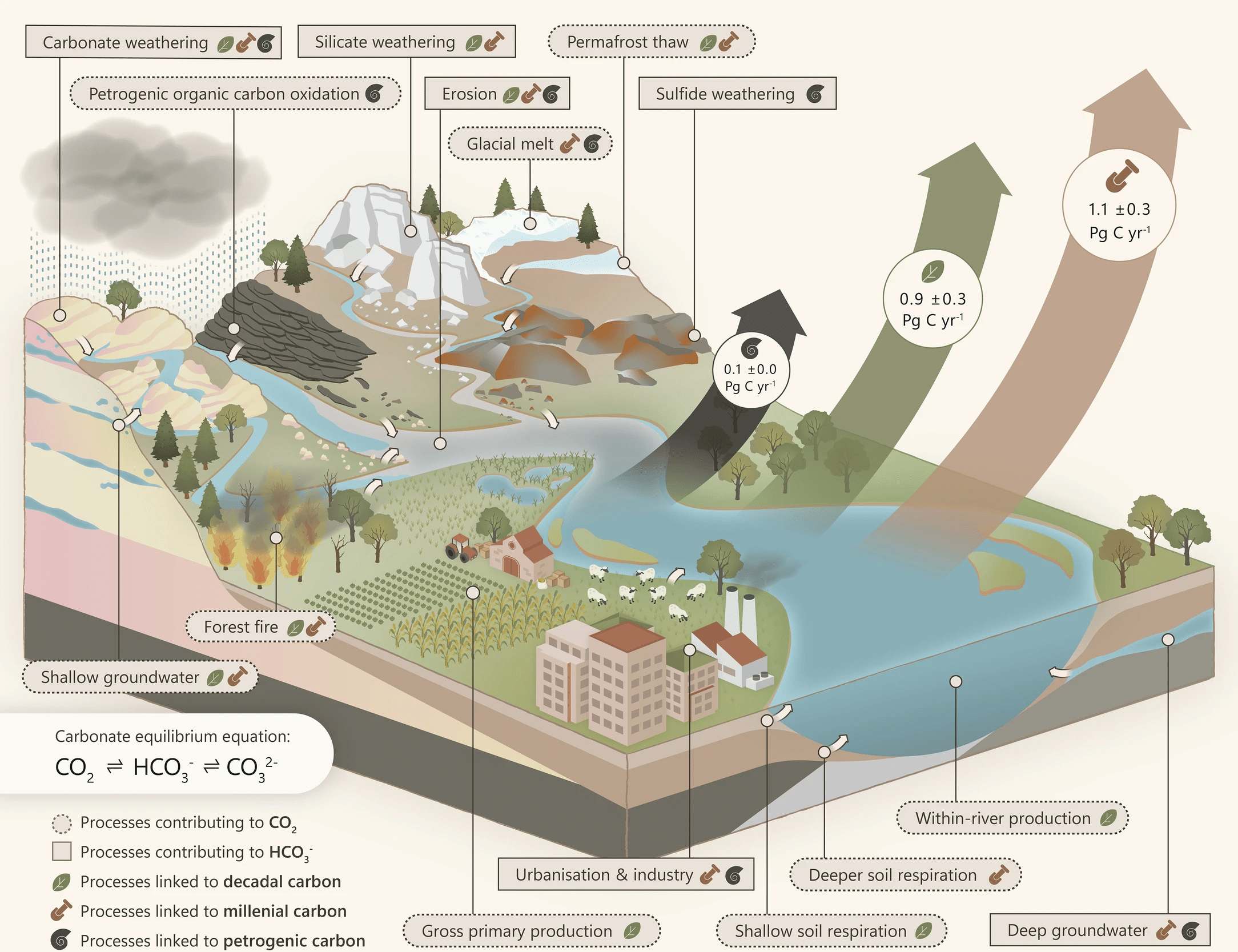
While the role of rivers in transporting carbon dioxide and methane has been established, previous research primarily focused on modern, recently-decayed organic matter as the carbon source. The new study, led by Dr. Josh Dean of the University of Bristol, overturns this assumption by identifying that a substantial portion of river emissions originate from much older carbon pools. Remarkably, about 60% of the carbon emitted stems from reservoirs of carbon sequestered for centuries to millennia, far older than initially recognized.

Dr. Dean expressed astonishment at these findings, highlighting their significance: “The results took us by surprise because it turns out that old carbon stores are leaking out much more into the atmosphere than previous estimates suggested. The implications are potentially huge for our understanding of global carbon emissions.” This enhanced leakage through river networks implies that existing climate models may underestimate natural carbon contributions and require revision to factor in these newly identified emissions.
How Rivers Act as Gateways for Ancient Carbon
Rivers have long been regarded as conduits for carbon derived predominantly from decayed recent vegetation and organic materials. Yet, the Bristol-led research provides evidence for a substantial fraction of emissions emanating from deep-seated, ancient sources. Professor Bob Hilton, co-author and sedimentary geographer at the University of Oxford, clarifies, “We discovered that around half of the emissions are young, while the other half are much older, released from deep soil layers and rock weathering that were formed thousands and even millions of years ago.”
This insight positions rivers as crucial channels through which dormant carbon reserves enter the atmosphere. Previously considered inert over short timescales, these ancient carbon stores now appear far less stable. The findings underscore the importance of reconsidering carbon reservoirs’ role in climate projections, emphasizing the need to address potential risks from continued emissions of such long-stored carbon.
Human Influence Potentially Amplifying Carbon Release
Although the study points to natural mechanisms behind the release of ancient carbon from rivers, researchers are exploring how human actions might be intensifying this process. The precise effects of anthropogenic activities like deforestation, agriculture, and fossil fuel combustion on accelerating the discharge of legacy carbon remain uncertain, but there is growing suspicion of their involvement.
Dr. Dean suggests that current ecological systems face added strain to offset this unexpected ancient carbon leakage, necessitating greater carbon uptake by vegetation to compensate. This requirement places additional burdens on natural carbon sinks and highlights the imperative to recalibrate strategies addressing carbon emissions and climate change mitigation.
Implications for Revising Carbon Cycle Models
The research calls into question long-held assumptions about the global carbon cycle’s dynamics. Although river contributions to carbon emissions were previously undervalued, they now emerge as significant, especially considering that they release an estimated two gigatons of carbon annually—substantial in relation to the 10–15 gigatons emitted through human activities.
Dr. Gemma Coxon, co-author and Associate Professor of Hydrology at the University of Bristol, observes, “Rivers globally release about two gigatons of carbon each year, compared to human activity that results in between 10-15 gigatons of carbon emissions. These river emissions are significant at a global scale, and we’re showing that over half of these emissions may be coming from carbon stores we considered relatively stable.” These insights compel climate scientists and policymakers to rethink the stability of ancient carbon reservoirs and their influence on atmospheric CO2 levels. Recognizing these hidden sources is essential as global efforts intensify to curtail greenhouse gas emissions and mitigate climate change impacts.
- Categories:
- News









0 comments
Sign in to Comment