
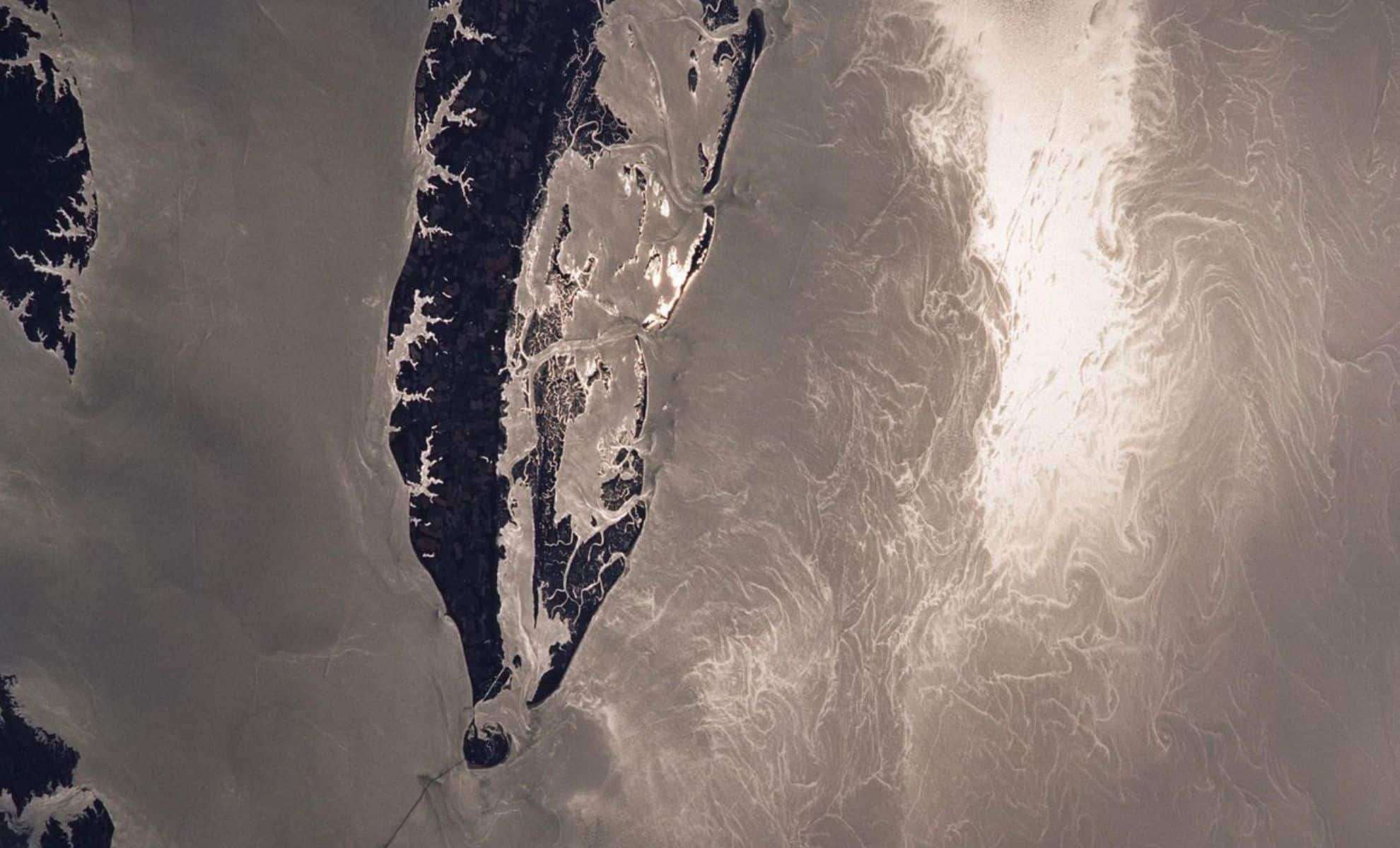
A recent international investigation Nature, April 2025 has uncovered the key influence of subtle, small-scale oceanic phenomena on global marine systems. Leveraging observations from the Surface Water and Ocean Topography (SWOT) satellite, a joint project by NASA and CNES, researchers have obtained unprecedented high-resolution two-dimensional mapping of ocean waves and currents as fine as one mile. These submesoscale motions critically aid in moving heat, nutrients, carbon, and energy through the ocean, revolutionizing perspectives on how oceans impact Earth’s climate and biological systems.
Probing the Intricacies of Submesoscale Ocean Motion
Matthew Archer, an oceanographer at NASA’s Jet Propulsion Laboratory, describes the significance of these small-scale features: “Their influence on ocean circulation dynamics is profound.” The SWOT satellite delivers sea surface height measurements with tenfold greater detail than past tools, allowing scientists to detect eddies, internal waves, and currents too small for earlier satellites and research vessels. These dynamics instigate vertical movements that shuttle heat between deep waters and the surface, directly affecting how oceanic heat escapes into the atmosphere and contributes to climate regulation.
SWOT's detailed observations extend across the Indian, Atlantic, and Pacific Oceans, and the Mediterranean Sea, revealing how nutrient-rich waters rise to sustain marine food webs and biodiversity. Where earlier studies relied on limited local data, SWOT enables comprehensive global assessments of these crucial upward flows supporting ocean life.

Elevating Ocean Models Through Enhanced Resolution
Nadya Vinogradova Shiffer, SWOT program scientist at NASA Headquarters, explains, “With this tenfold increase in surface detail, we can also deduce water movement and material transport at depth.” By analyzing water surface elevations and slopes, this data helps calculate current velocities and pressure gradients, sharpening ocean circulation models that once only represented larger-scale phenomena.
Incorporating SWOT’s data into models such as NASA’s ECCO (Estimating the Circulation and Climate of the Ocean) enhances predictions of how energy, heat, and nutrients circulate within marine environments. This capability is crucial for anticipating ecosystem shifts and ocean-atmosphere feedback in a changing climate. Ongoing SWOT data integration promises more accurate forecasts of oceanic processes and their wider environmental consequences.
Tracking Vertical Energy Transfers and Currents
One key discovery using SWOT was identifying a submesoscale eddy in the Kuroshio Current near Japan, with vertical speeds between 6 and 14 meters per day. Though subtle, this vertical flow crucially shifts heat and nutrients between deep and surface waters. SWOT’s advanced radar interferometry now enables global-scale measurement of such vertical ocean movements, previously difficult to quantify.
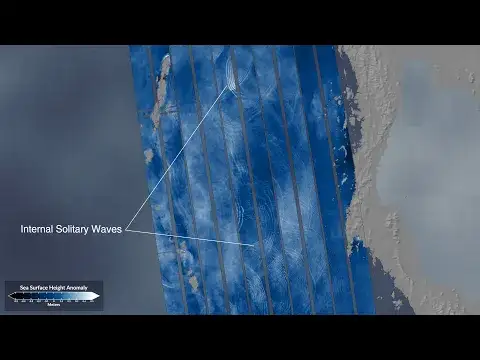
The satellite also captured an internal solitary wave in the Andaman Sea possessing at least twice the energy of regional internal tides, showcasing the strength and variability of submesoscale phenomena. These findings improve understanding of oceanic wave energy and its essential role in mixing that supports ocean health and climate regulation mechanisms.
- Categories:
- News












0 comments
Sign in to Comment