
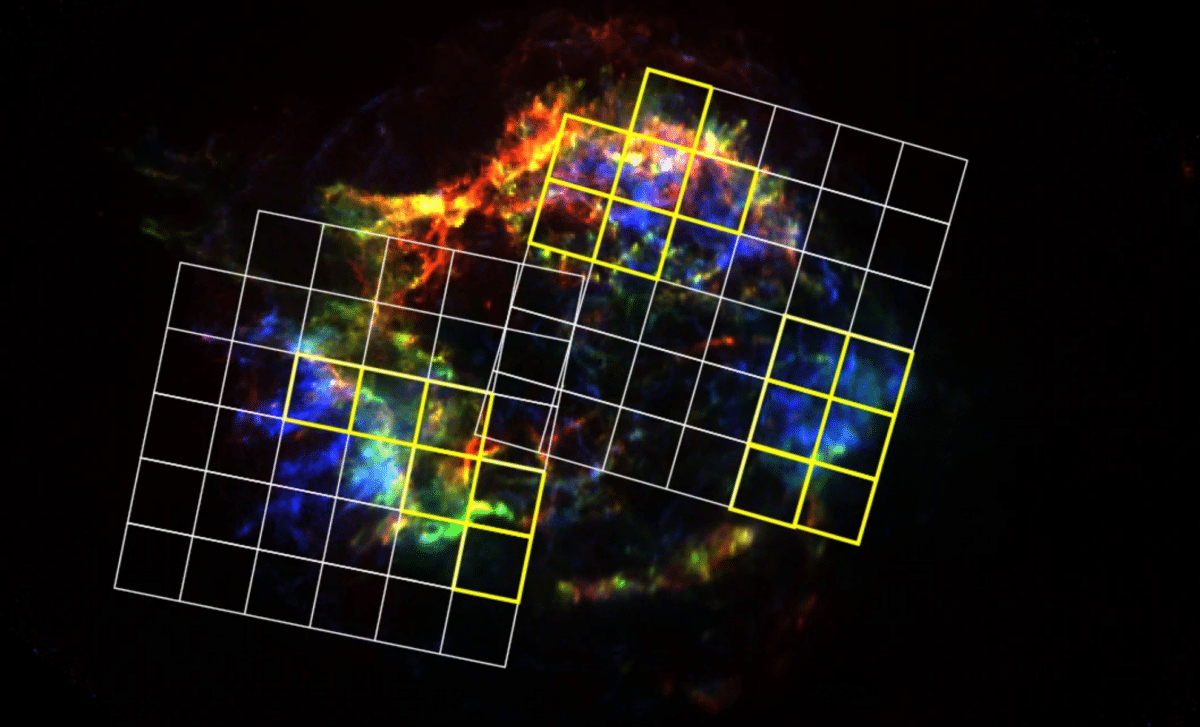
A recent publication in Nature Astronomy highlights a remarkable breakthrough from the XRISM satellite mission. Researchers from Japan and the United States have uncovered unexpectedly high concentrations of chlorine and potassium within the remains of a supernova explosion. This novel finding sheds new light on the intricate chemical processes at play in dying stars and their debris, prompting reevaluation of previous theories about the elemental composition of supernova aftermaths.
Unexpected Chemical Discoveries in Supernova Cores
Finding chlorine and potassium in supernova remnants marks a major scientific surprise. Traditionally, elements such as oxygen, carbon, and iron have been recognized as primary products of these cosmic detonations. Yet, the discovery of elevated levels of chlorine and potassium was unforeseen. Scientists utilizing the XRISM satellite—jointly launched through an international partnership involving NASA, JAXA, and ESA—were initially surprised when spectral data revealed these unusual elements in the remnants of an exploded massive star.
This breakthrough is significant not only because of the specific elements detected but also due to their formation mechanisms. While stars are known to contain chlorine and potassium, their abundance within supernova debris was unexpected. These results challenge existing nucleosynthesis models, which describe how elements are forged inside stars, suggesting that supernovae may play a more substantial role in shaping the universe's chemical inventory than formerly believed.

“When we saw the Resolve data for the first time, we detected elements I never expected to see before the launch. Making such a discovery with a satellite we developed is a true joy as a researcher,” said Toshiki Sato, the corresponding author of the study published in Nature Astronomy.
XRISM’s Pivotal Contribution to This Event
The XRISM satellite (X-ray Imaging and Spectroscopy Mission) was essential in enabling this discovery. Its state-of-the-art equipment was engineered to capture X-ray emissions from astrophysical phenomena like supernovae. These high-energy signals provide crucial information about the chemical and physical characteristics of their remnants, which are otherwise difficult to analyze in detail.
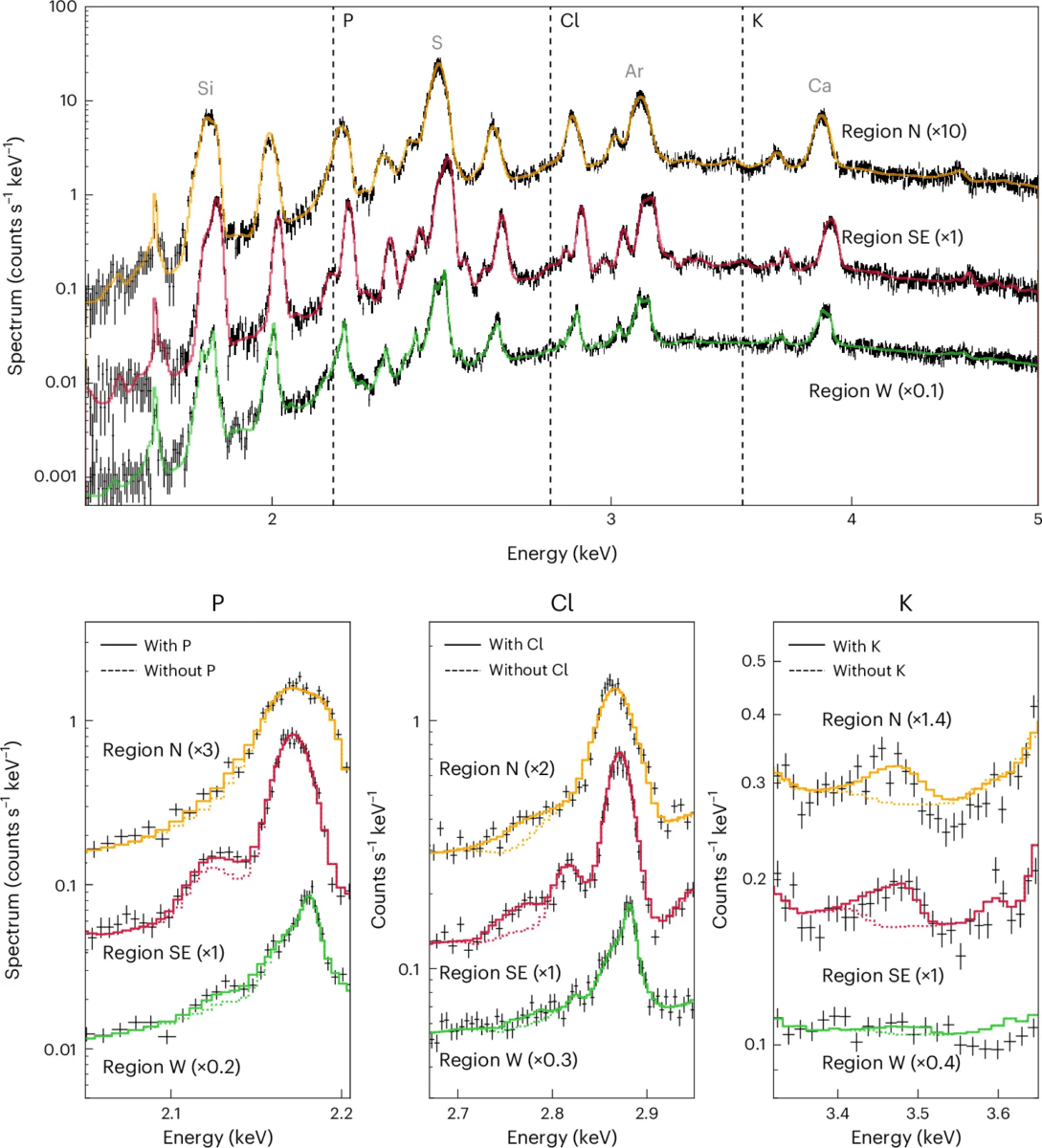
Using XRISM's sophisticated spectrometer, the team precisely identified the elemental makeup of the supernova remnants under investigation. Hiroyuki Uchida, co-author of the study, remarks, “I am delighted that we have been able, even if only slightly, to begin to understand what is happening inside exploding stars.” The satellite’s high-definition imaging made it possible to detect the unusual chemical traces of chlorine and potassium, an achievement unattainable with previous instruments.
Supernova Remnants and Their Cosmic Significance
Supernova remnants are the dispersed material left after a star’s explosive demise—dust and gas hurled into space. These remnants contain a rich mix of elements that disseminate throughout the galaxy, subsequently forming part of the interstellar medium. This process lays the groundwork for creating new stars, planets, and potentially life itself. Hence, identifying chlorine and potassium in these cosmic leftovers has important implications for understanding the chemical origins underpinning life across the universe.
“What we’re finding here is not just a random assortment of elements,” said Kai Matsunaga, another corresponding author on the paper. “How Earth and life came into existence is an eternal question that everyone has pondered at least once. Our study reveals only a small part of that vast story, but I feel truly honored to have contributed to it.”
This reflection underscores the importance of the research, suggesting that the presence of these specific elements in supernova debris could illuminate essential chemical components required for life as we understand it.
- Categories:
- Physics






0 comments
Sign in to Comment