
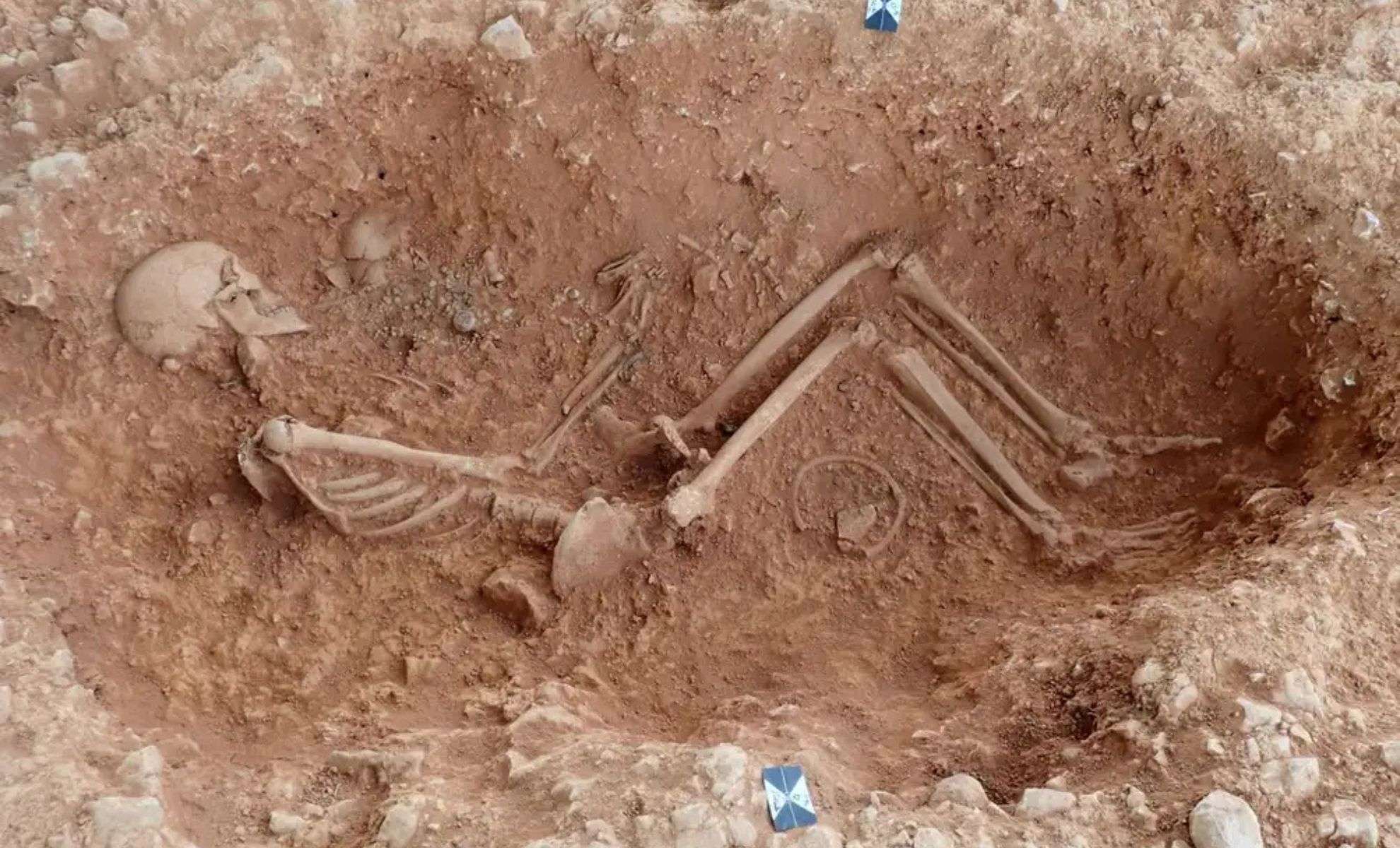
Tracing pregnancy through ancient skeletal remains has posed a significant challenge to archaeologists, largely due to the rapid breakdown of key pregnancy hormones like human chorionic gonadotropin (hCG). However, recent research led by experts at the University of Sheffield has discovered that reproductive hormones can persist within bones and teeth for thousands of years, offering a groundbreaking method to identify pregnancy in human remains dating back over a millennium.
Listening to the Stories Hidden in Bones
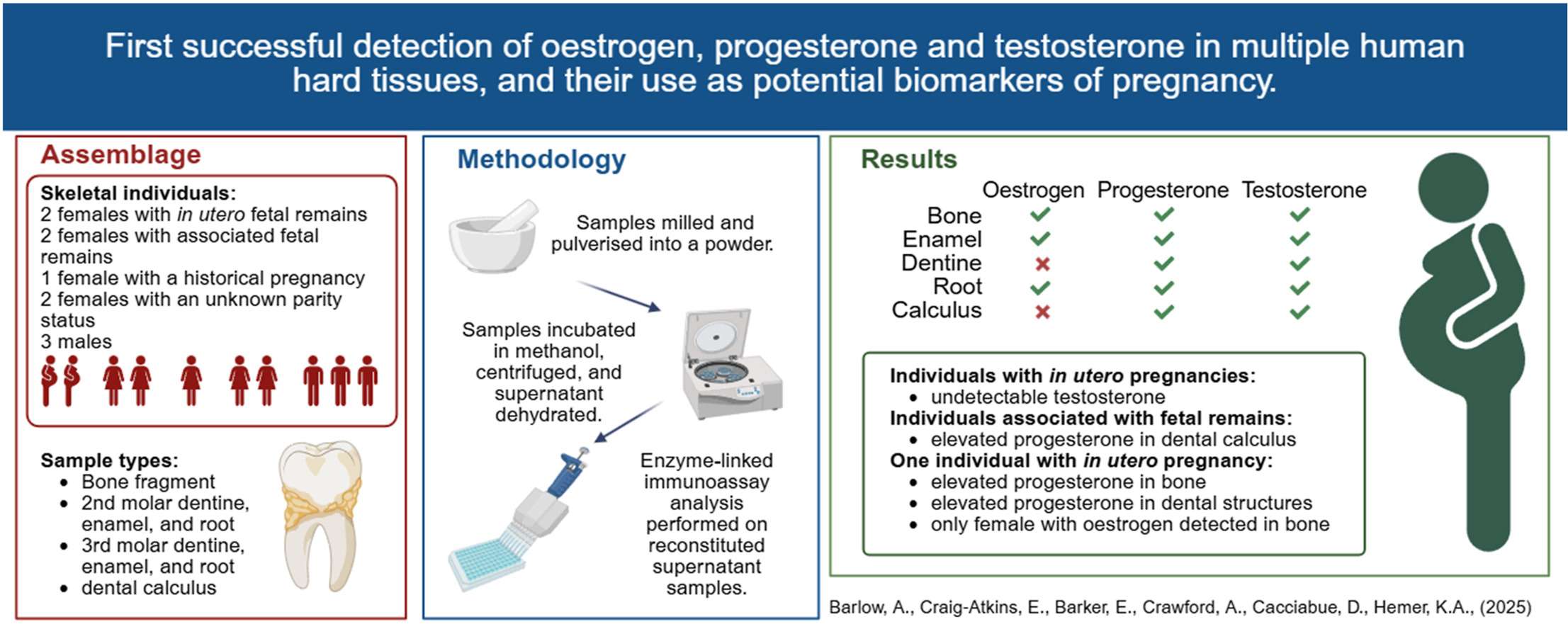
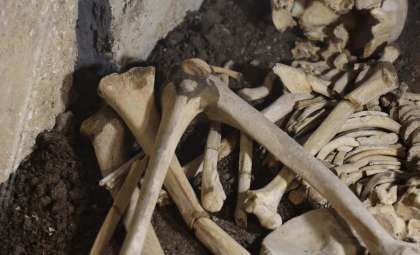
Under the guidance of Aimée Barlow, the researchers examined skeletal material from four English burial sites spanning nearly two millennia, ranging from the 1st century through to the 19th century. Their investigation focused on nine individuals, predominantly women, some of whom were interred alongside fetuses or newborn infants. This unique context enabled direct correlation between hormone presence and confirmed pregnancy cases.
Samples included powdered fragments from ribs, cervical vertebrae, and teeth, including hardened dental calculus, a mineral-dense substance known for trapping micro-compounds. The team targeted reproductive hormones such as estrogen, progesterone, and testosterone, all sequestered within bone and tooth matrices.

While estrogen was largely undetectable—likely due to degradation over time—significant amounts of progesterone and testosterone were retained, revealing valuable biological insights.
Hormonal Traces Highlight Pregnancy and Childbirth
Elevated progesterone concentrations were found in female remains dated from the 5th to 19th centuries who were thought to have been pregnant or recently postpartum at the time of death. For instance, one woman buried between the 11th and 14th centuries alongside a full-term fetus exhibited increased progesterone within her vertebra. Similarly, a female interred in the late 1700s or early 1800s displayed comparable progesterone levels in her rib.
Remarkably, testosterone was absent in nearly all these pregnancy-associated burials, except for a faint signal detected in one woman buried with a premature infant. In contrast, other women’s remains not linked to infants consistently showed testosterone in both bone and tooth samples.
Memories of Motherhood Stored in Bones
If validated through further research, this innovative technique could offer archaeologists a long-sought tool to explore ancient maternal health, mortality, and pregnancy-related factors. It may also shed light on how environmental pressures such as famine, disease outbreaks, or stress impacted childbirth in past populations. Additionally, understanding hormone preservation might help explain differing burial practices involving mothers and children.
What makes this discovery particularly exciting is its reliance on a biological archive embedded within the mineralized structures of bones and teeth, which preserve chemical clues far beyond the lifespan of soft tissues.
Promising Beginnings, Open Questions
Published in the Journal of Archaeological Science, this study introduces a novel "pregnancy test for ancient skeletons," enabling identification of pregnancies that would previously remain undetected.
Nonetheless, some puzzles remain. Estrogen was generally absent, while unexpected progesterone signals appeared in some male skeletons or deep within dental tissues, indicating that the preservation and distribution of these hormones in archaeological contexts are complex and influenced by variables such as soil chemistry, burial duration, and skeletal sampling location.
The researchers emphasize the need for expanded studies comparing modern and ancient samples, alongside diverse burial environments and additional hormonal markers, to refine and confirm the reliability of this approach.
- Categories:
- News







0 comments
Sign in to Comment