
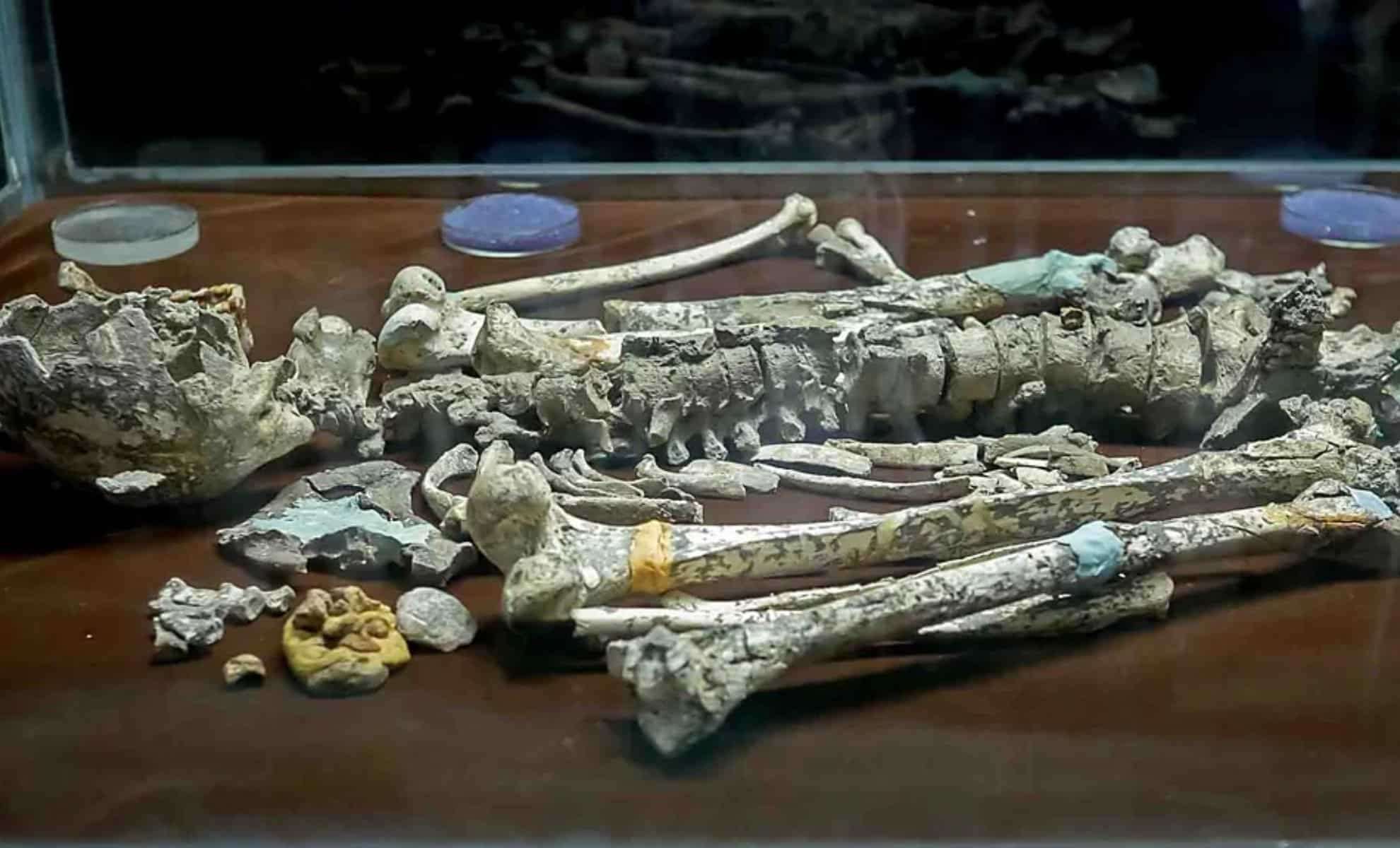
Deep within Malaysia’s Lenggong Valley, nestled amid dense tropical forests, lies a site that holds secrets far older than the famed Egyptian pyramids. This tranquil valley conceals some of the earliest traces of human existence, featuring skeletal remains and stone implements dating back thousands of years before the Great Pyramid of Giza.
An Archaeological Gem Hidden in the Jungle
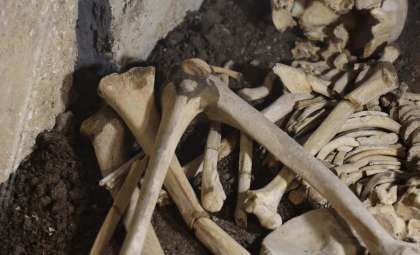
The Lenggong Valley may be unfamiliar to many, yet it is revered among archaeologists worldwide. Surrounded by Malaysia’s verdant wilderness, this valley has safeguarded its ancient artifacts for countless centuries. Protected by its remote setting, the site’s prehistoric heritage remains remarkably intact. Beneath the forest’s canopy, researchers have uncovered an impressive variety of historical objects, including fossilized human bones and advanced stone tools, each illuminating the lives of the earliest inhabitants of Southeast Asia.
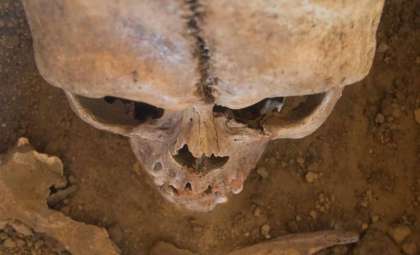
In 1991, the discovery of Perak Man captured international attention. His skeleton, exceptionally preserved, dates back around 11,000 years, making it the oldest and most complete hominid fossil found in the region. The remains reveal an extraordinary narrative of survival, physical challenge, and social support, highlighting early human communities beginning to form complex bonds.

Findings That Surpass the Age of the Great Pyramid
The Great Pyramid of Giza, a marvel of ancient Egypt, is roughly 4,500 years old. Yet, artifacts and bones unearthed in Lenggong Valley date to a far earlier epoch.
Discover Wild Science reports some stone tools here may be up to 1.83 million years old, indicating human activity in this region during the Pleistocene era. Visitors to Lenggong stand on ground once traversed by ancient humans long before the advent of agriculture, writing, or monumental architecture.
The Enigma of Perak Man
Among numerous notable finds, Perak Man’s story remains especially intriguing. His burial site offers valuable insights into the funerary customs of prehistoric groups. The manner of his interment—accompanied by tools and artifacts—implies early humans held complex spiritual beliefs and valued ritualistic practices related to death.
Analysis of Perak Man’s remains reveals further details about his life. Despite a probable disability, such as a malformed arm, he lived considerably longer than expected in a tough environment, suggesting his community provided significant care and support, reflecting advanced social empathy and organization.
Lenggong’s Significance in Ancient Human Migration
Besides individual discoveries, the array of finds in Lenggong Valley offers vital evidence about early human migration patterns throughout Southeast Asia. Fossils and implements found here challenge established ideas on the timing and routes used by our ancestors moving out of Africa. The findings suggest this area served as an important waypoint in prehistoric human travels.
Since becoming a UNESCO World Heritage site in 2012, Lenggong Valley has gained recognition not only for its scientific importance but also as a treasured cultural and historical landmark.
- Categories:
- News





0 comments
Sign in to Comment