
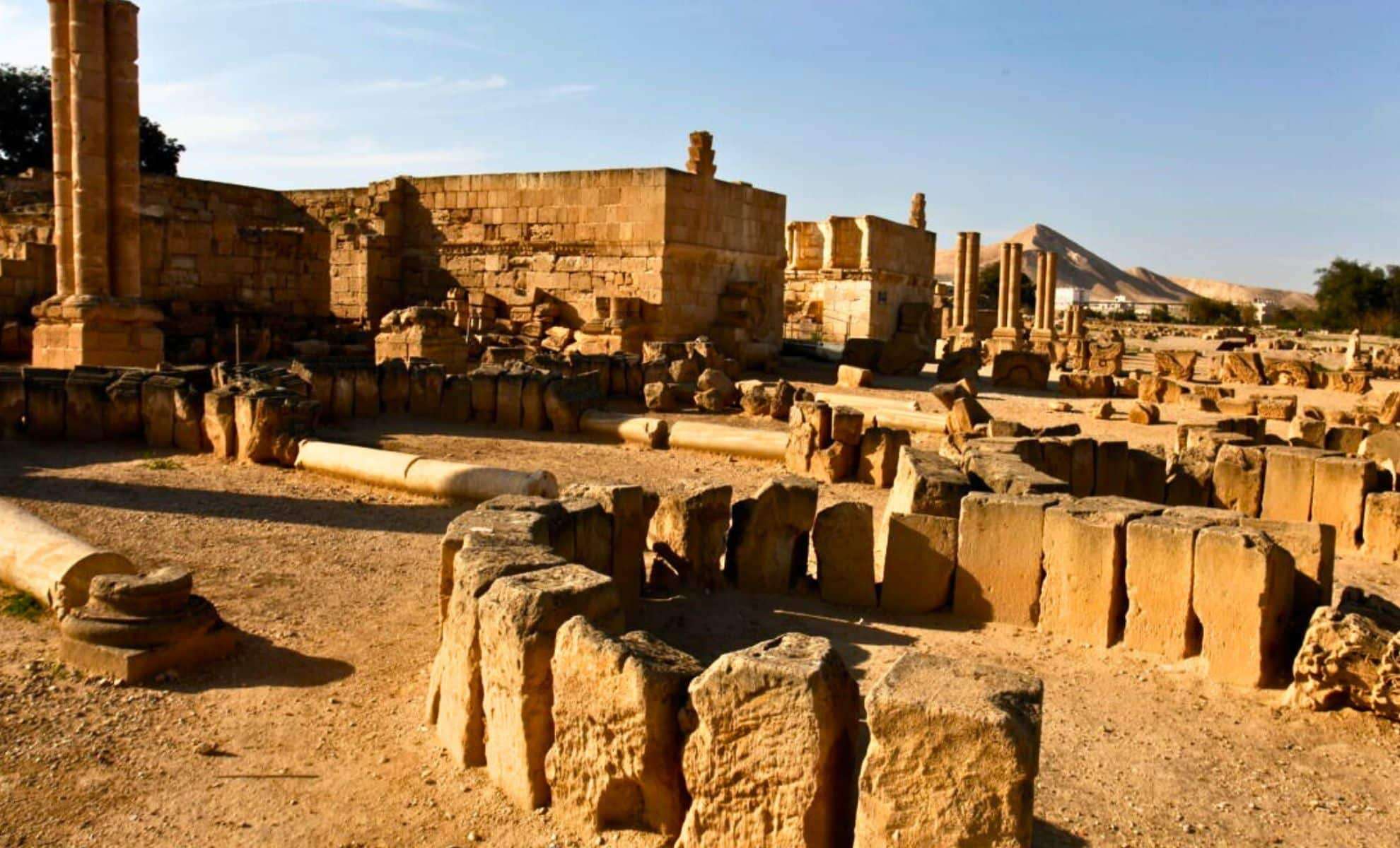
JERICHO, West Bank — Nestled within the harsh terrain of the Judean Desert, beneath ancient cliffs and enduring desert sun, lies Jericho, a city archaeologists identify as having been continuously inhabited for over 11,000 years. Acknowledged as a UNESCO World Heritage site in 2023, Jericho's archaeological remains and living community stand as a profound symbol of early human settlement and tenacity.
The City’s Origins Near a Vital Water Source
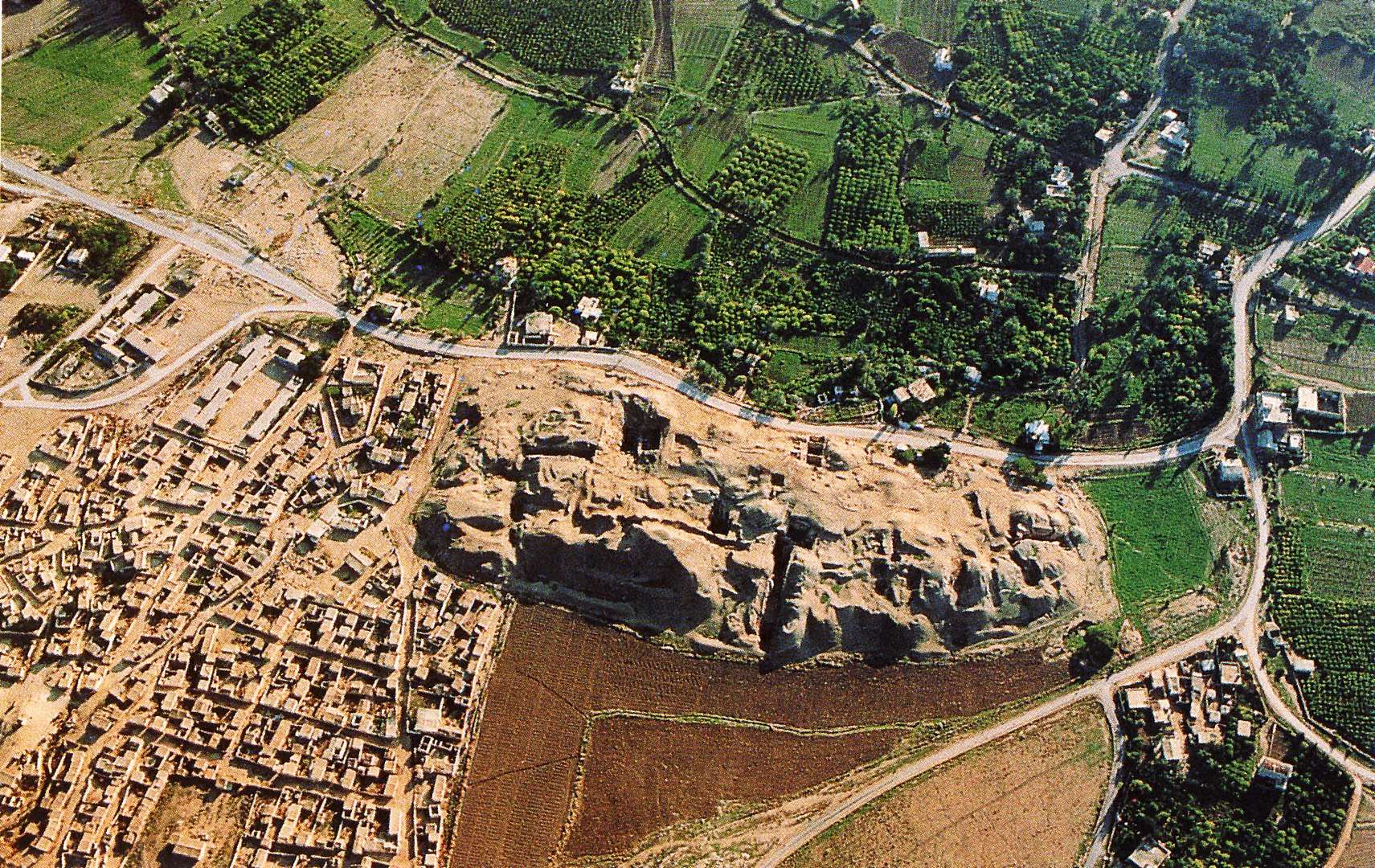
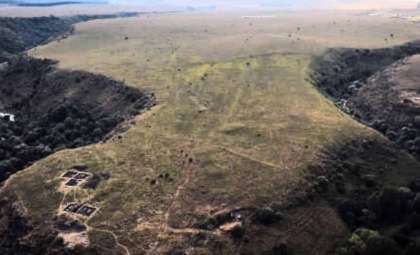
The oldest sector, called Tell es-Sultan, is situated just north of present-day Jericho. Unearthing here traces human presence back to about 9000 B.C. during the Natufian period. Early humans were attracted to abundant resources, particularly the Ein as-Sultan spring and the nearby Jordan River, which offered a reliable water supply amidst the desert.
These groups transitioned from hunting and gathering to cultivating crops, marking a key advancement in the progression of human civilization. They constructed round dwellings made from mud and straw, invented basic tools, and formed early social structures. This shift towards permanent habitation is viewed by experts cited in The Jerusalem Post as the foundation of the world’s inaugural city.

Early Architectural Ingenuity Discovered Under Layers of Earth
Jericho is more than just ancient homes; it reveals some of the earliest known efforts in urban development. British archaeologist Kathleen Kenyon, who directed key digs at Tell es-Sultan in the 1950s, revealed a stone tower measuring nine meters in height along with a substantial 3.5-meter-thick stone wall. Dating to the Pre-Pottery Neolithic era, these constructions highlight the community’s skill in building and protective planning.
Kenyon’s excavation team also found plastered skulls adorned with shells in their eye sockets. Specialists interpret these as evidence of ancestor reverence, reflecting early spiritual expression maintained in domestic or ritual spaces.
A Vibrant City Through Millennia
Jericho remains a living city today, housing over 20,000 residents as current estimates suggest. The heritage site of Tell es-Sultan continues to captivate both scholars and tourists, while nearby a spring is inscribed with “Oldest city in the world,” celebrating its remarkable history. Close to the city is the Khirbat al-Mafjar site, also known as Hisham’s Palace, an archaeological gem from the Umayyad period, underscoring Jericho’s rich past.
Competing Claims Within Civilization’s Birthplace
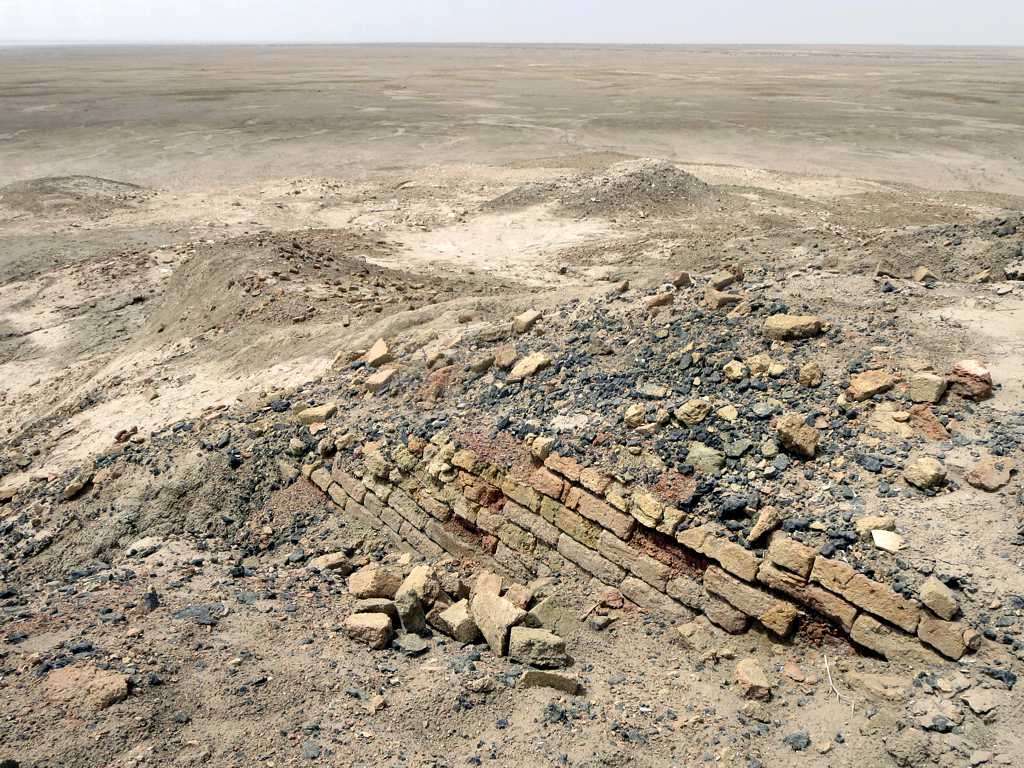
Though Jericho leads as the longest continually settled city, other ancient locales contribute to the historical mosaic. In southern Iraq, the ruins of Eridu, frequently cited in Sumerian lore as the birthplace of kingship after “the kingship descended from heaven,” date to roughly 5400 B.C. While younger than Jericho, Eridu holds significant religious and cultural importance.
Excavations beginning in 1946 revealed Eridu’s multi-layered temple remains dedicated to Enki, the god of wisdom in Sumerian belief. Historian Mario Liverani has described how these temples were “rebuilt and expanded after each collapse,” creating an architectural legacy covering almost two millennia.
Insights From Prehistoric Europe
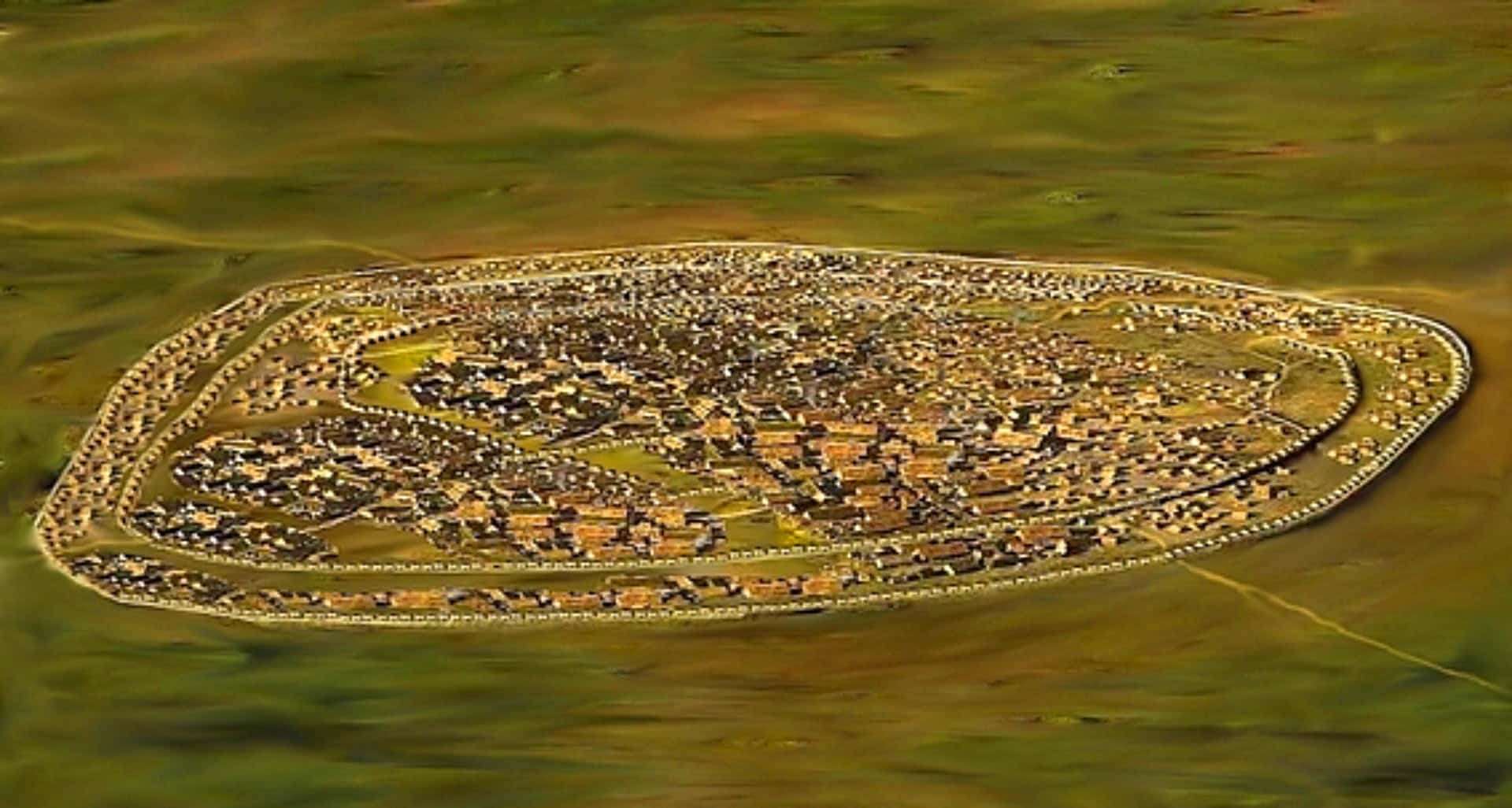
Beyond the Middle East, archaeological focus has extended to Trypillia, a vast Neolithic complex in modern-day Ukraine sprawling over 320 hectares. From approximately 4700 to 3000 B.C., these expansive settlements housed tens of thousands in circular layouts, according to research noted by Neue Zürcher Zeitung. Evidence points to sophisticated urban design, though the exact duration of continuous occupation remains uncertain.
Further north, a recent excavation on Falster Island in Denmark uncovered a 5,000-year-old stone-lined cellar. Featured in a study published by Phys.org, this discovery is believed to have functioned as a food storage facility, demonstrating what researchers call “a significant leap in communal resource management.” While fascinating, such finds lie outside the continuous urban development narrative that Jericho exemplifies.
- Categories:
- News






0 comments
Sign in to Comment