
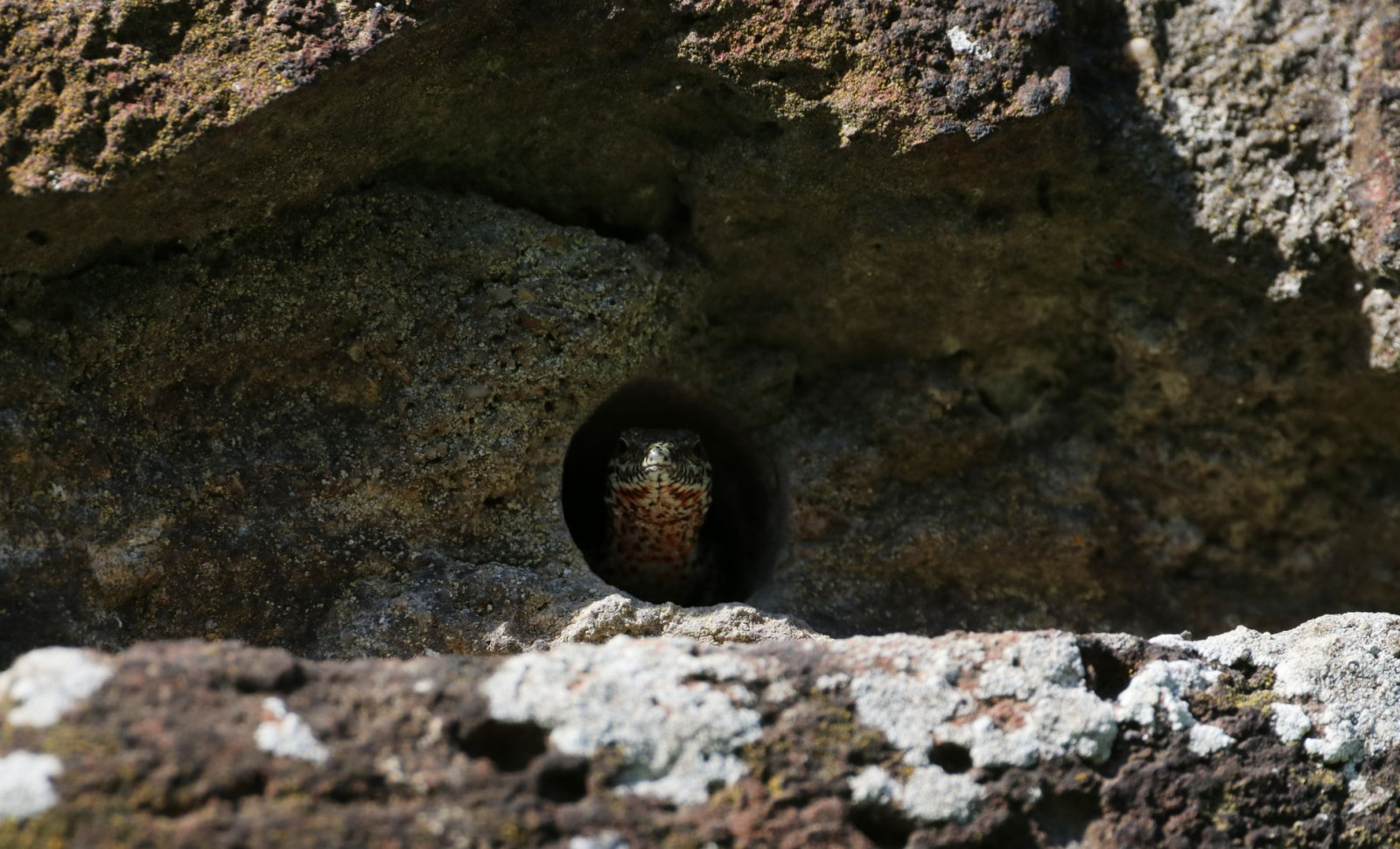
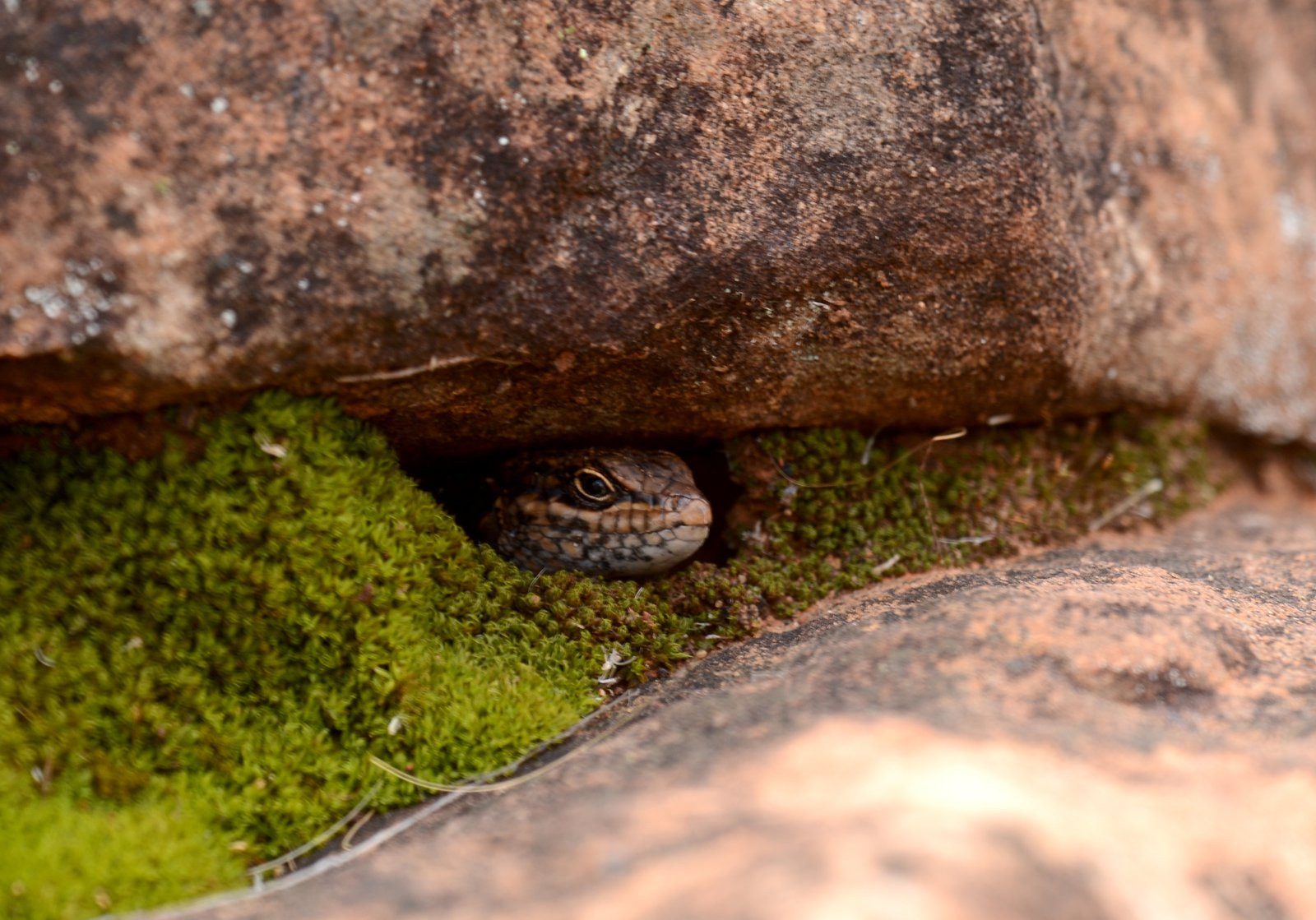
A rarely seen reptile, named Kungaka by the Wiimpatja Aboriginal Owners and translating to “the Hidden One,” has been classified as a new species. The lizard, scientifically dubbed Liopholis mutawintji, is critically endangered with an estimated population of fewer than 20 individuals. It lives exclusively within the secluded Mutawintji National Park in New South Wales, making it one of the most vulnerable reptiles in Australia.
Previously mistaken for a White’s Skink variant, genetic analysis has now confirmed the Kungaka as a unique species. The findings, released on April 14, 2026, underline the necessity for immediate conservation efforts, as the skink’s habitat is exceptionally limited and delicate.
The Secluded Habitat of the Kungaka in Mutawintji National Park
Mutawintji National Park is distinguished by its rugged isolation and is the sole home of the Kungaka skink. Nestled in a protected rocky gorge amid unforgiving plains, this lizard endures despite extreme conditions. What was once considered part of the White’s Skink population has now been established through DNA testing as an independent species.

Tom Parkin, a scientist at the Australian Museum, emphasized how this discovery sheds light on the wealth of undiscovered Australian biodiversity.
“The Kungaka represents an ancient lineage that likely originated earlier when the environment was quite different. Today, it survives in a tiny, isolated pocket of sheltered gorge in Mutawintji. Through this research, we not only better understand a species, but also the history behind the surrounding environment.”
The species’ extremely restricted living area makes it susceptible to various dangers. According to research in Zootaxa, confinement to this tiny niche exposes the species to heightened risk from climate fluctuations and human interference.
Uniting Indigenous Knowledge with Scientific Research
The significance of this finding is reinforced by the meaningful collaboration between Indigenous communities and scientists. According to a statement from the Australian Museum, the Kungaka was long recognized by the Wiimpatja Aboriginal Owners who have inhabited the region for generations and called the lizard “the Hidden One.” Warlpa Thompson, from the Mutawintji Board of Management, shared that protecting the Kungaka’s habitat has been a continuous endeavor by local Indigenous people.
“The Mutawintji Board of Management and NPWS will continue to build on the work that has already been done, but given that Kungaka are on the verge of extinction, we are seeking further support to create an in-Country sustainable solution,” he remarked.
This cooperative effort involving the Wiimpatja Aboriginal Owners, the NSW National Parks & Wildlife Service (NPWS), and the Australian Museum is crucial for the Kungaka’s survival. Thompson expressed hope that identifying the skink as a new species will stimulate additional conservation support.
Environmental Challenges and Invasive Predators
Numerous threats jeopardize the Kungaka’s existence. Feral goats degrade its habitat through excessive grazing, while introduced predators like foxes and cats endanger the population by hunting the lizard. Climate change's impacts, including rising temperatures and prolonged droughts, further worsen survival odds. Conservationist Dr. Jodi Rowley, the Australian Museum’s Curator of Amphibian and Reptile Conservation Biology,
“Their survival depends on sustained, long-term collaborative partnerships, and continued monitoring and evaluation. Working with our colleagues, Wiimpatja Aboriginal Owners and NSW Government has delivered the important first step in its continued existence.”
Thompson, speaking in an ABC News article, stressed the urgent need to protect this rarely sighted Australian reptile.
“We want to try and maintain that population while we work out a strategy to raise the numbers. So, we need to take some fairly drastic action over the next five years.”
- Categories:
- News


0 comments
Sign in to Comment