

NASA has announced the identification of a newly found super-Earth named Ross 508 b, orbiting a small red dwarf located roughly 37 light-years away from our planet. This breakthrough, accomplished with the aid of the Subaru Telescope, represents the first planet discovery by a novel observational device and reveals a world that edges along its star’s habitable zone, sparking curiosity about its ability to sustain liquid water.
Confirmed and reported by NASA, this exoplanet revolves around a faint M-type star every 10.8 days. Holding a mass approximately four times greater than Earth’s, Ross 508 b exemplifies the compact, rocky planets scientists are eager to study, especially those orbiting red dwarfs—stars that are dimmer and smaller but vastly more common than the Sun.
This discovery stands out not only due to its closeness to Earth but also because of its eccentric orbit, which causes the planet to move in and out of its star’s habitable region. This variable orbit suggests fluctuating environmental conditions, making Ross 508 b a fascinating candidate for upcoming studies aiming to understand its atmosphere and potential for life.

Swift Orbit Around a Modest Star
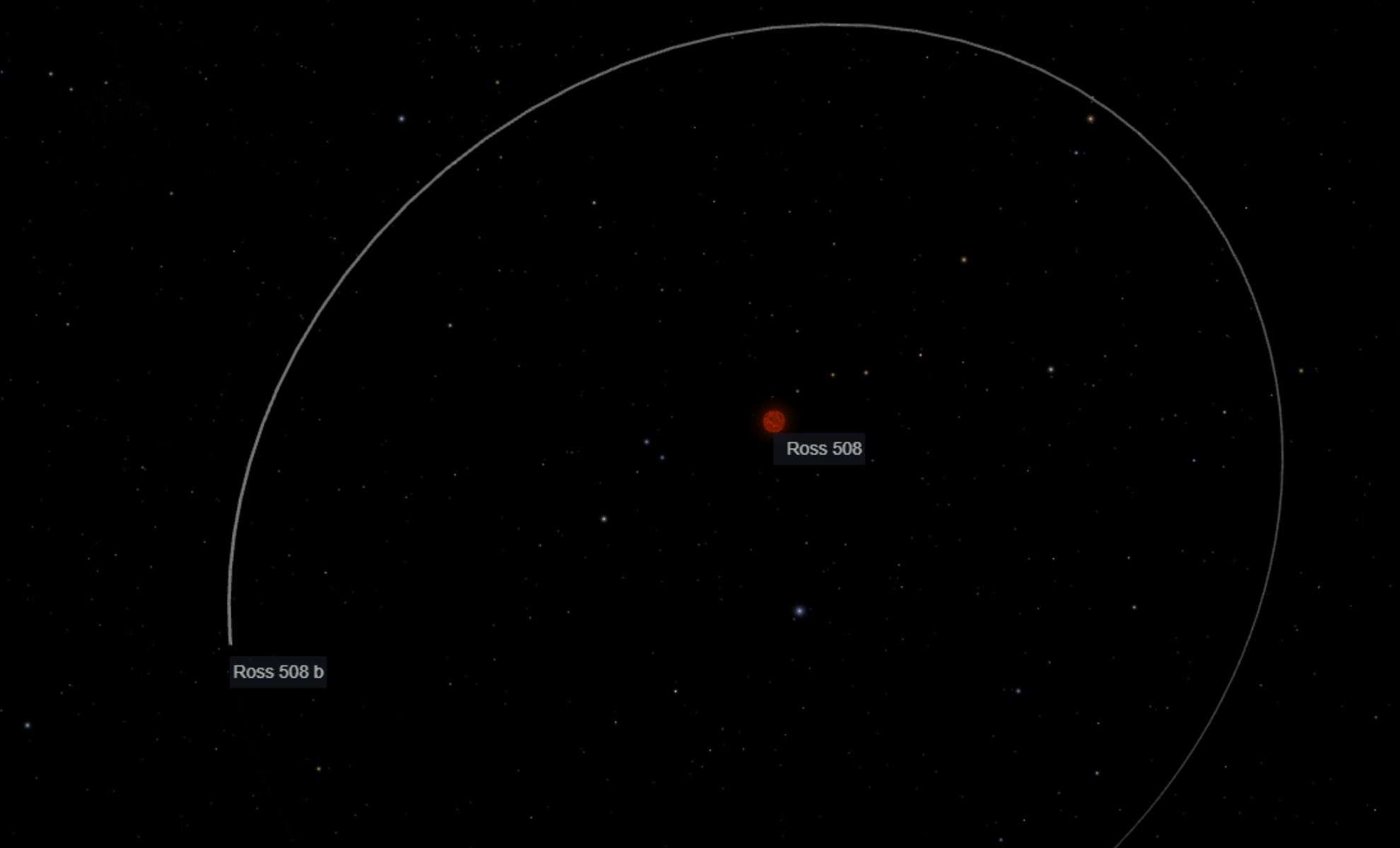
The orbital path of Ross 508 b lies at around 0.05366 AU from its host, a distance far less than that between Earth and the Sun. Despite this, the star’s mass is merely 0.18 times that of our Sun, meaning the planet is subject to considerably less stellar energy. Its radius, estimated to be 1.83 times Earth's, classifies it as a super-Earth—larger than Earth but smaller than typical gas giants.
Tech Explorist notes the planet’s elliptical orbit sets it apart from many other close-orbiting exoplanets. This non-circular trajectory causes surface conditions to vary based on the planet’s stellar distance, influencing the potential stability of surface water.
The red dwarf host star, a cool and dim star compared to the Sun, offers an ideal setting for identifying Earth-sized exoplanets. Their diminished brightness simplifies detecting planet transits, while their long lifespans provide ample opportunity for planetary stable environments to form.
Skimming the Boundaries of Habitability
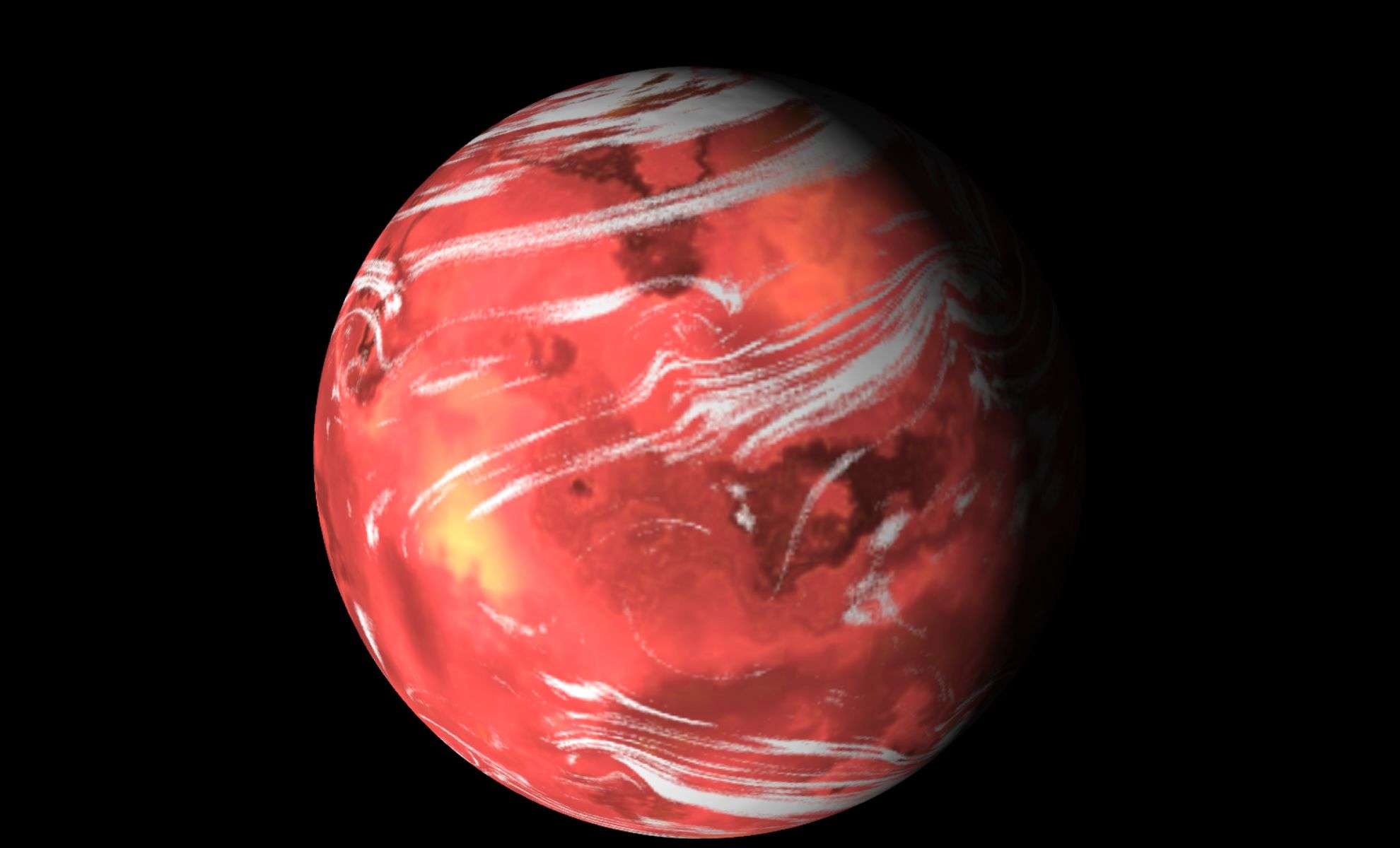
NASA highlights that the orbit of Ross 508 b intermittently crosses the habitable zone—the stellar region where conditions might support liquid water. While not definitive proof of habitability, this positions the planet as an essential observation subject. The agency remarked:
“Such a planet may be able to retain water on its surface and will be an important target for future observations to study the possibility of life around low-mass stars like the M dwarf it orbits.”
This proximity to the habitable zone has sparked keen interest in further investigations. The fluctuating nature of Ross 508 b’s path gives researchers an uncommon opportunity to explore how shifting stellar radiation might affect surface environments, which could be critical to determining the presence and persistence of liquid water.
Breakthrough by the Subaru Telescope
The discovery was made possible by a newly integrated instrument on the Subaru Telescope in Hawaii. This milestone marks the first exoplanet identified using this advanced equipment, underscoring its capability for future hunts focused on nearby faint stars.
Operated by the National Astronomical Observatory of Japan, Subaru is celebrated for its deep-sky imaging and precision. This cutting-edge device was specifically designed to detect planets orbiting low-mass stars, an increasingly vital aspect of exoplanet exploration.
The success with Ross 508 b demonstrates the instrument’s promise to greatly expand the known population of exoplanets around red dwarfs, the most common stellar type in the Milky Way. This planet could be just the first of multiple nearby worlds uncovered thanks to enhanced search techniques.
- Categories:
- Astronomy











0 comments
Sign in to Comment