
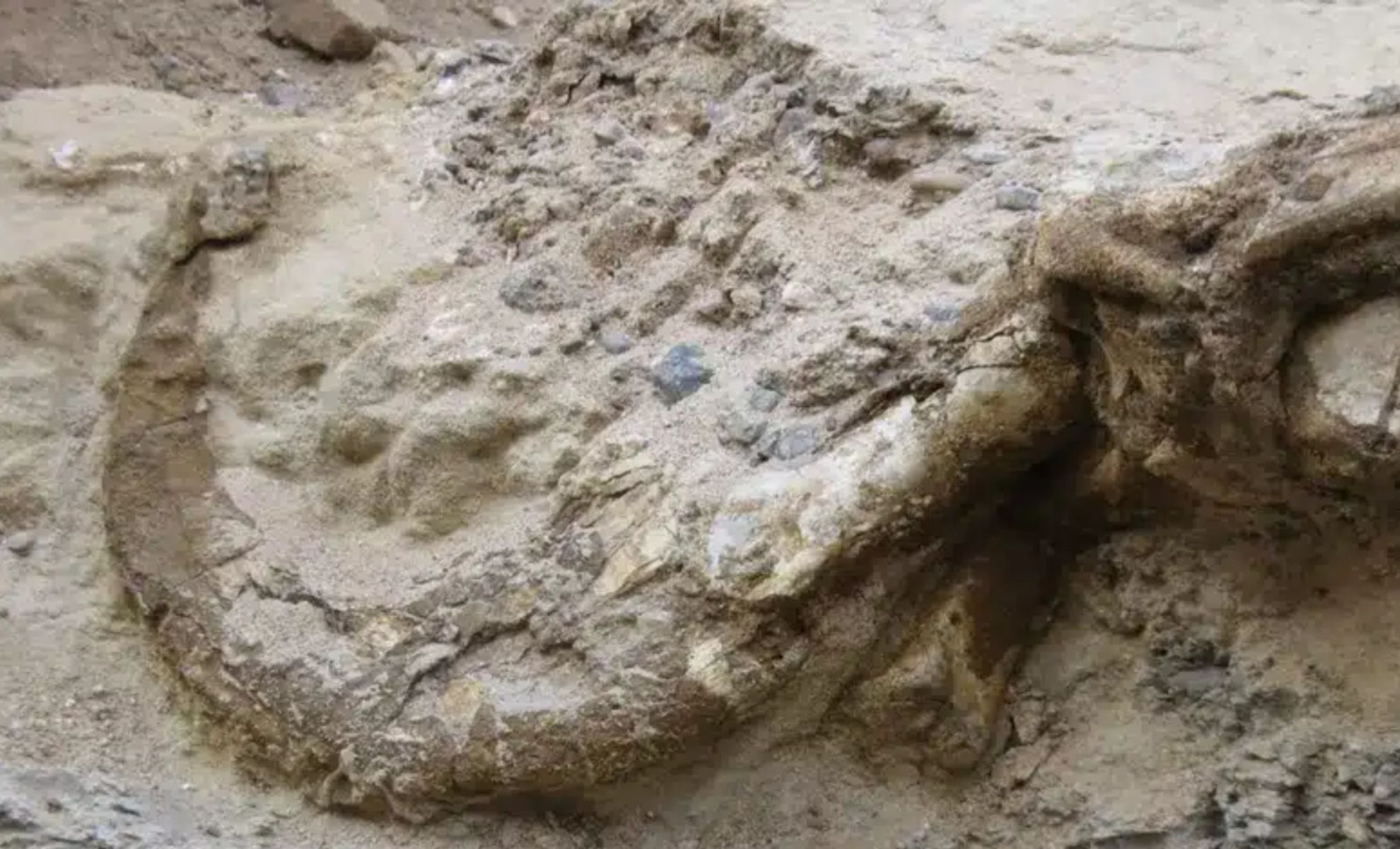
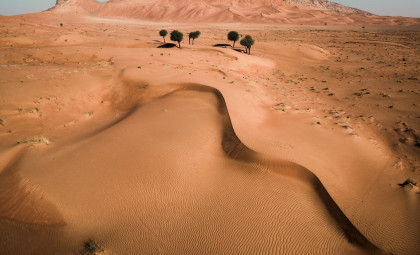
Researchers have uncovered a previously unknown dinosaur species in Mongolia that challenges established views on theropod development. Named Duonychus tsogtbaatari, this dinosaur stands out due to its possession of just two clawed fingers, unlike the typical three found in the therizinosaur family. This significant fossil discovery from the Gobi Desert offers fresh perspectives on the evolutionary adaptations and functions of these giant claws.
Documented in a recent paper in iScience, the finding has captured the attention of paleontologists. Known for their formidable claws, therizinosaurs are commonly recognized as herbivorous, bipedal dinosaurs. However, the unusual two-clawed anatomy of Duonychus raises compelling questions about its ecological niche and evolutionary path.
Unique Two-Fingered Claws in a Therizinosaur
While therizinosaurs typically exhibit three fingered claws, Duonychus represents a deviation from this norm. Darla Zelenitsky, a paleontologist at the University of Calgary and co-author of the study, remarked:

“To find a specimen with only two fingers/claws was surprising as this was so out of the ordinary for this group of dinosaurs.”
Unearthed in Mongolia’s Bayanshiree Formation, the hand fossils were remarkably preserved, allowing detailed scrutiny of the dinosaur’s claw structure.
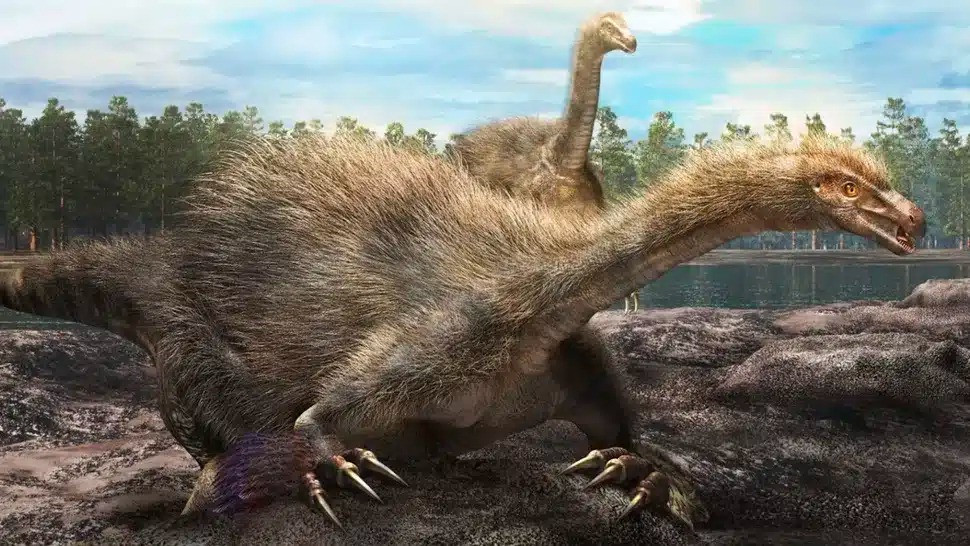
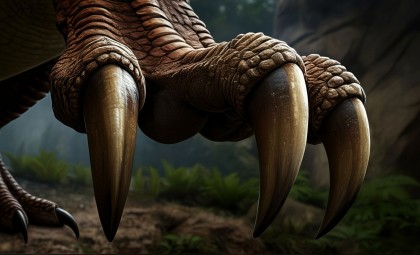
What further distinguishes Duonychus is the presence of a keratinous sheath—similar to the material in human fingernails—remaining on its claws, as described in the study in the journal iScience. This indicates the claws were extremely sharp and multifunctional.
The Functional Mystery of Having Two Claws
The discovery prompts intriguing debates about how Duonychus employed its pair of claws. According to the lead author, Yoshitsugu Kobayashi, the dinosaur probably used these claws to seize and pull vegetation closer in a distinctive “hook-and-pull” movement.
“Based on the shape of its well-preserved claw and how it curved, Duonychus was likely using its hands to grab onto branches and pull vegetation closer, kind of like how chameleons do today,” he added.
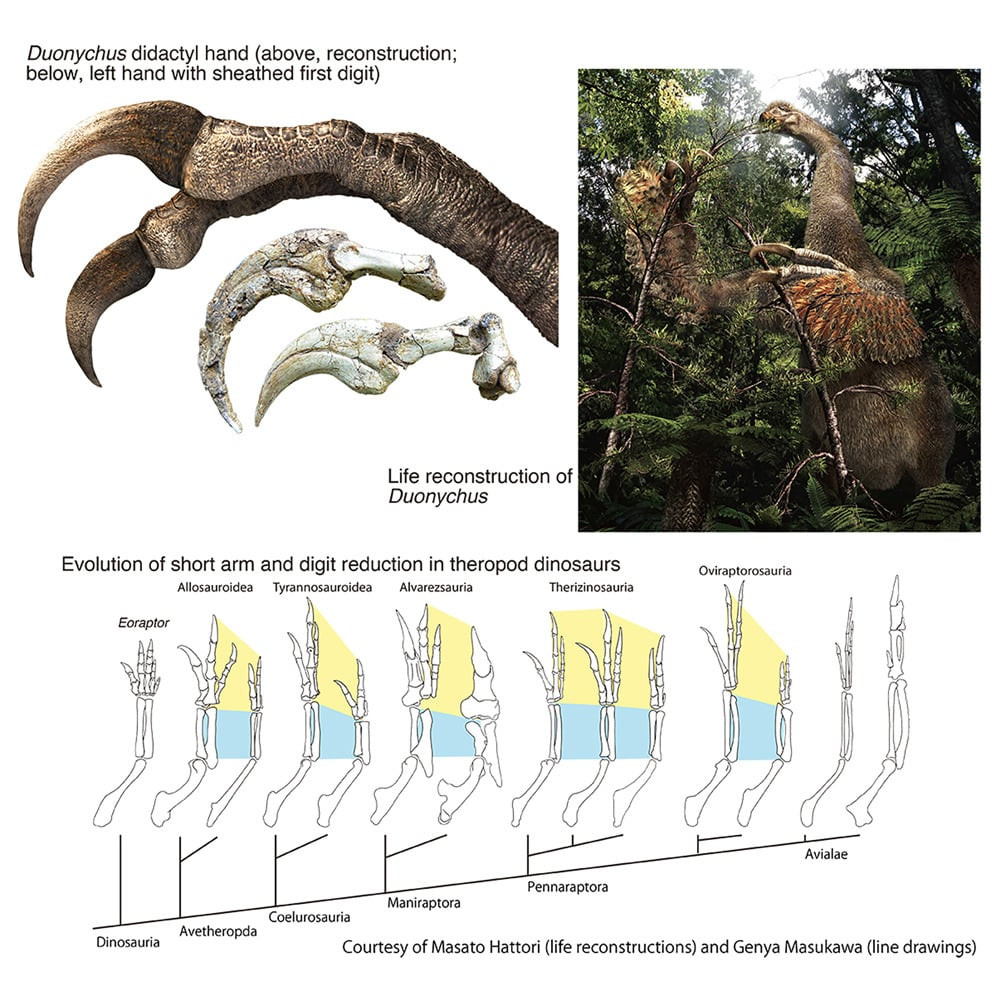
This method of feeding could have given Duonychus an advantage over other three-clawed therizinosaurs by reaching vegetation more efficiently. Kobayashi also suggests the claws might have played roles in protection, mating displays, or even social interactions.
Implications for Theropod Evolutionary History
Kobayashi notes that Duonychus marks the fifth known example of a theropod lineage losing its third finger. Though this change seems minor, it offers crucial clues into how these dinosaurs adapted behaviorally and morphologically. The reduction of a claw may have improved feeding strategies or served other ecological functions, illustrating the unpredictable nature of evolutionary processes.
“While more fossils would help confirm this, all signs point to Duonychus representing a true evolutionary shift, not just a fluke,” he stated. “It’s a remarkable find that reshapes our understanding of therizinosaurs and theropod evolution as a whole.”
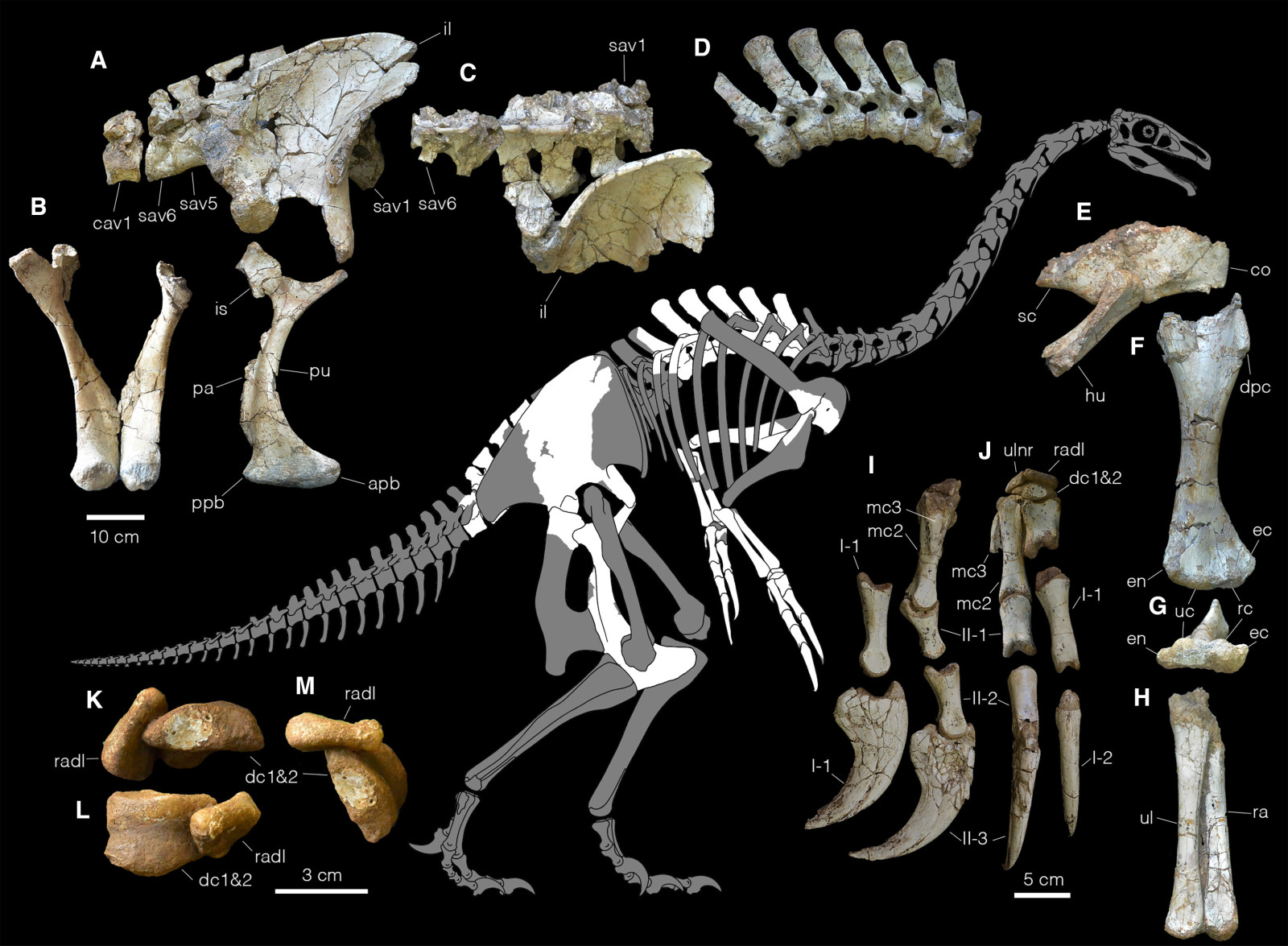
Ongoing efforts are focused on unearthing additional fossils to further substantiate and explore the significance of this evolutionary innovation.
- Categories:
- Science


0 comments
Sign in to Comment