
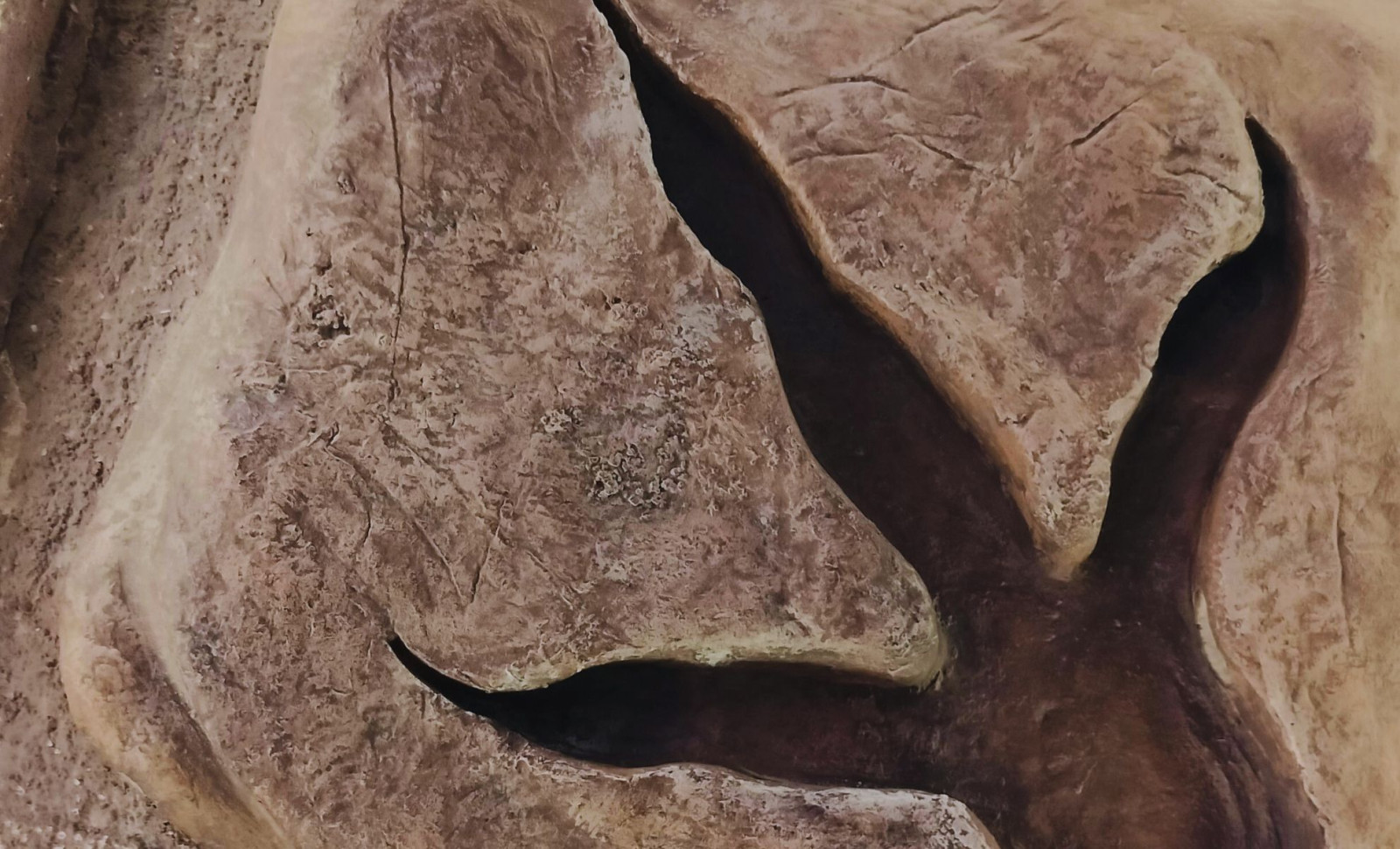
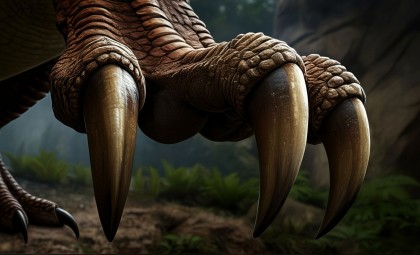
Researchers have identified a previously unknown dinosaur species in Mongolia that challenges existing notions about dinosaur anatomy, particularly its hands. This feathered therizinosaur, named Duonychus tsogtbaatari, possessed just two fingers, each topped with enormous, sickle-shaped claws measuring close to 30 centimeters in length. It stands out as the first known therizinosaur exhibiting this unusual two-digit hand structure.
Unearthed initially in 2012 from the Bayanshiree Formation within the Gobi Desert—a fossil site famed for landmark dinosaur finds—the specimen only recently revealed its unique traits. With its detailed analysis published in iScience, the team exposes a dinosaur that defies typical conventions.
Distinct Hand Anatomy Among Therizinosaurs
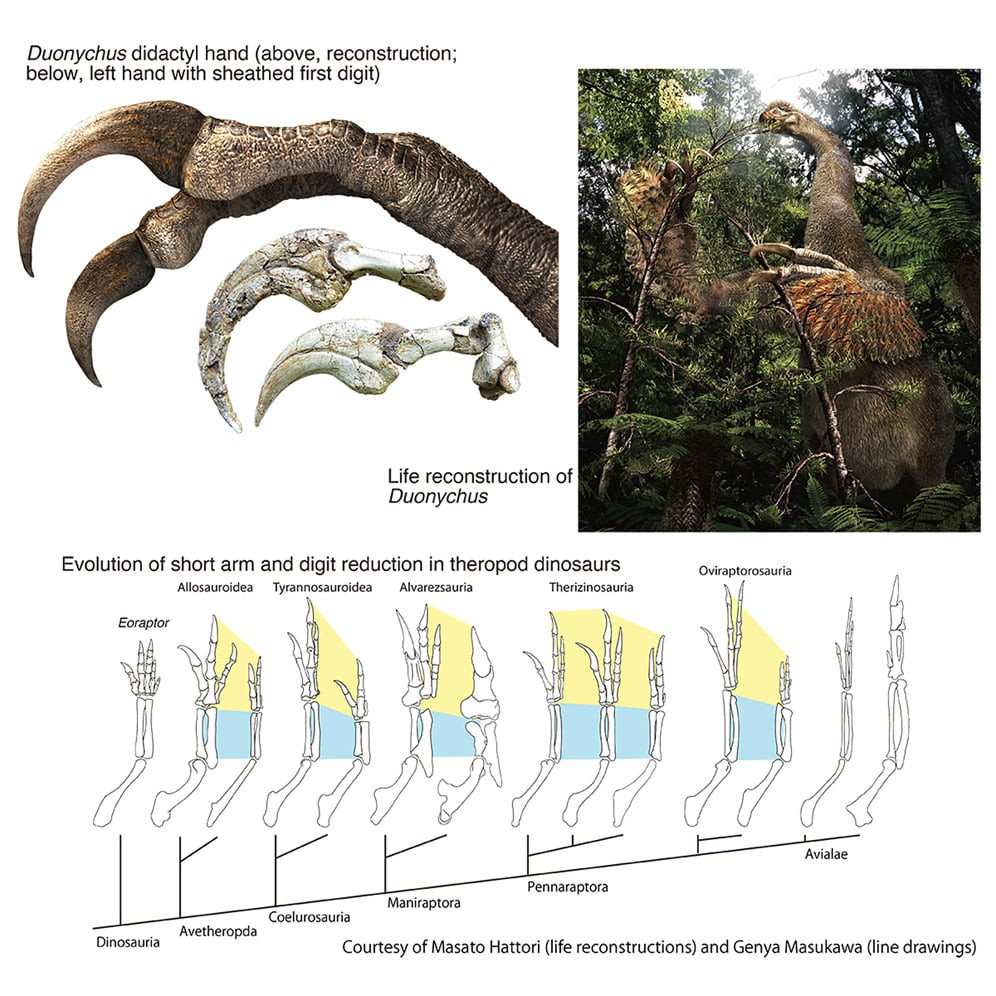
Most therizinosaurs retain three functional fingers, a characteristic hallmark of the group. However, as ScienceAlert notes, Duonychus tsogtbaatari is distinct in having only two operational digits, marking a significant departure from the norm.

“Most theropods, including other therizinosaurs, kept three functional fingers,” said lead author Yoshitsugu Kobayashi in an interview with New Scientist. “So finding one that lost a digit is pretty unexpected.”
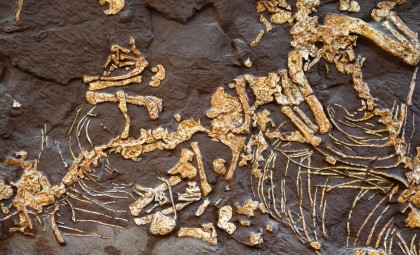
The genus name Duonychus translates from Greek as "two claws," while the species honors celebrated Mongolian paleontologist Khishigjav Tsogtbaatar. The fossil includes crucial parts such as vertebrae, ribs, a partial pelvis, and notably a well-preserved arm and hand. This hand revealed the most striking surprise.
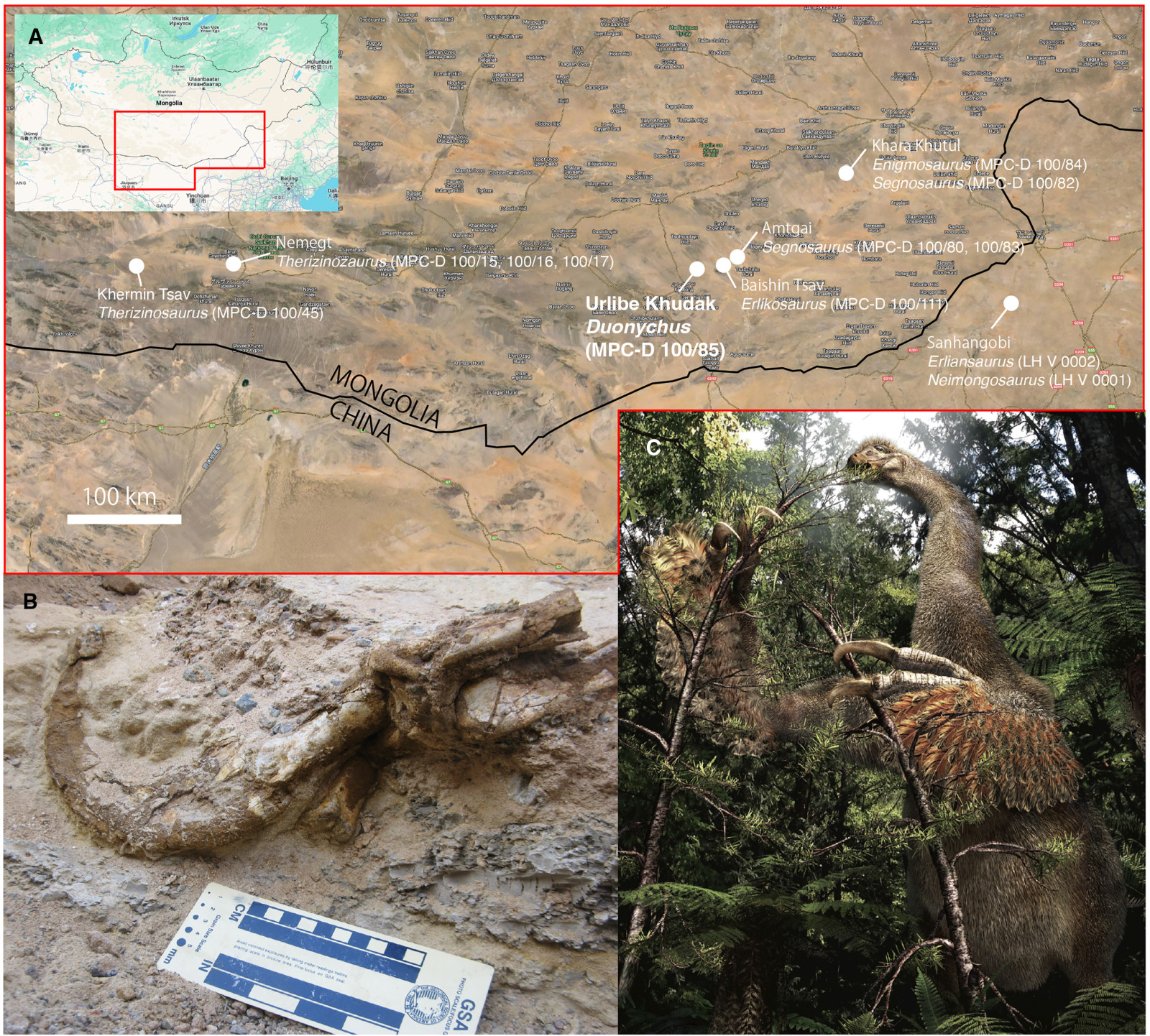
Each digit terminated in a massive, hooked claw. What distinguishes these claws is not only their size but their exceptional preservation—maintaining the original keratin sheath in three dimensions.
Remarkably Preserved Keratin on Dinosaur Claws
The claws, almost 30 centimeters long, rank among the most pristinely preserved dinosaur claws discovered. ScienceAlert highlights that the keratin covering has survived, which is rare as keratin typically deteriorates rapidly post-mortem.
“Most of the time, when we find dinosaur claws, we’re only looking at the bony core,” explained Kobayashi. “But in life, the actual claw would have been covered in a thick keratin sheath, making it longer and more curved.”
This level of preservation provides unique insight into the dinosaur's morphology. Analyses of the finger joints and movement suggest that these claws were unlikely used for slicing. Instead, they likely functioned as hooks, allowing the dinosaur to grasp and pull plant material, somewhat analogous to a modern sloth’s or chameleon’s feeding strategy.
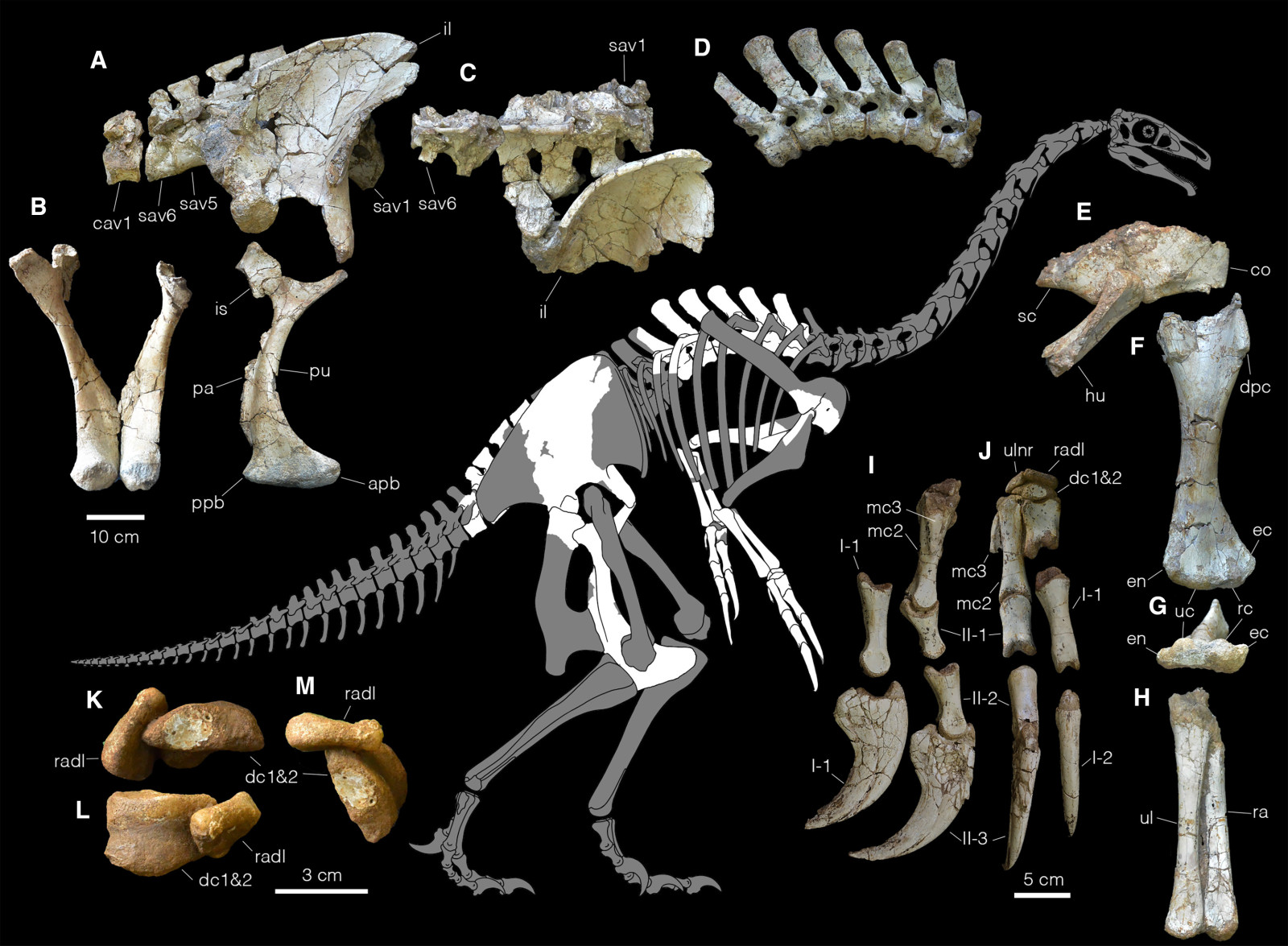
These claws are now considered the largest dinosaur claws preserved in three dimensions, displaying both bone and keratin components.
Evolution Influenced by Selective Plant Feeding?
The reasons behind the loss of a finger previously used for millions of years remain unclear. However, researchers propose feeding habits could have driven this evolutionary shift. Like its therizinosaur relatives, Duonychus featured a long neck, tiny leaf-shaped teeth, and likely specialized in handling vegetation. According to the iScience article:
“The curved claws and extreme flexion suggest it could hook onto branches or clusters of leaves more easily,” he said. “Three fingers might have just gotten in the way, while two provided a more precise and efficient grasp.”
This hypothesis aligns with the unique lifestyle of therizinosaurs—a group of peculiar, possibly omnivorous dinosaurs with plant-based diets and body designs unlike their meat-eating relatives.
The research team also speculates that the claws might have been multifunctional, potentially aiding in defense, signaling territory, or mating displays. Nevertheless, feeding behavior currently stands as the leading explanation.
- Categories:
- Science


0 comments
Sign in to Comment