
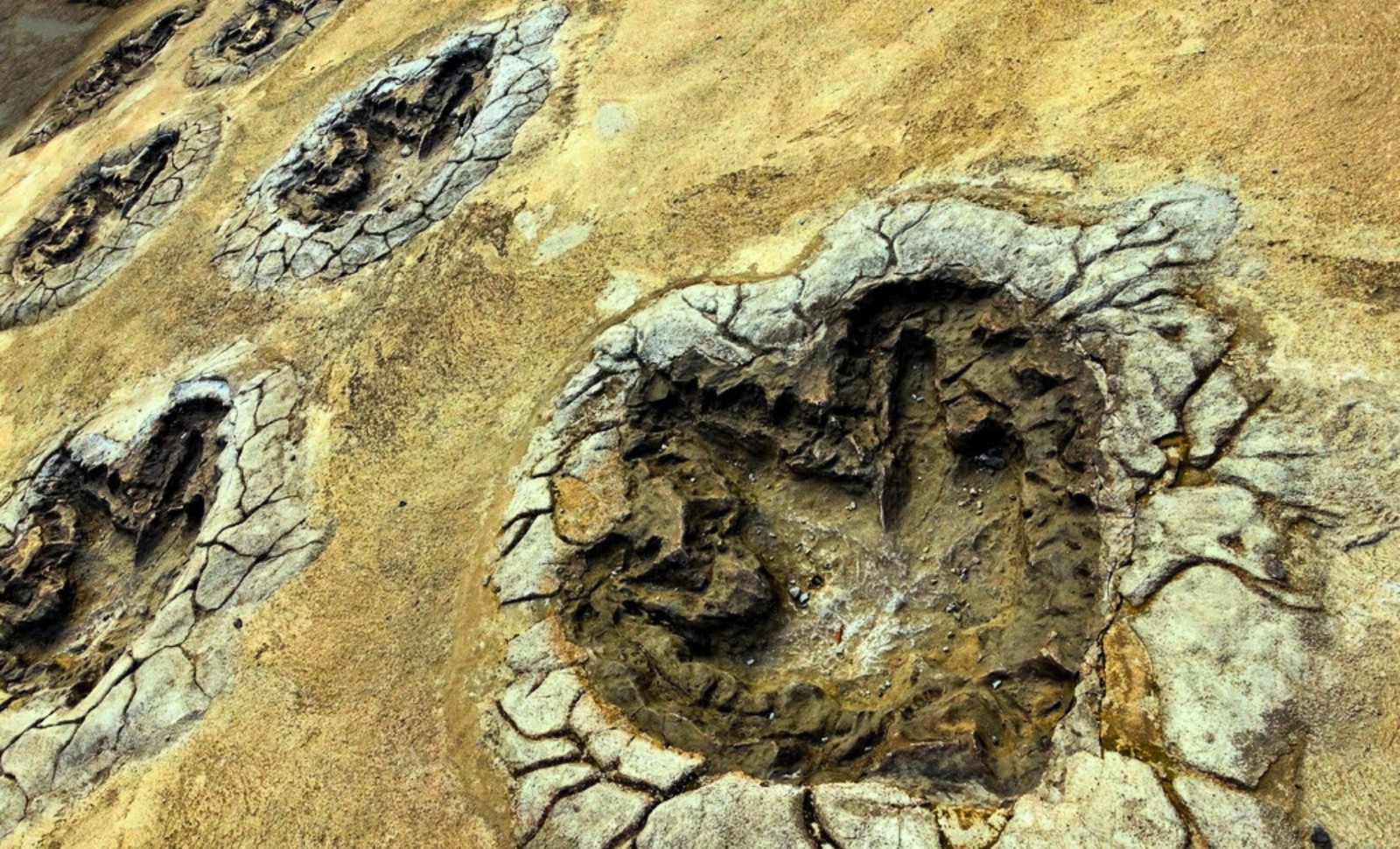
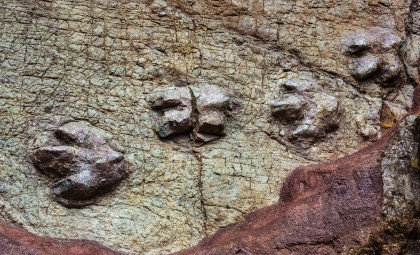
In a major paleontological breakthrough in central Bolivia, scientists have uncovered what might be the most expansive dinosaur trackway complex ever documented. Close to 18,000 individual footprints have been recorded within Torotoro National Park, shedding new light on dinosaur activity during the Late Cretaceous period.
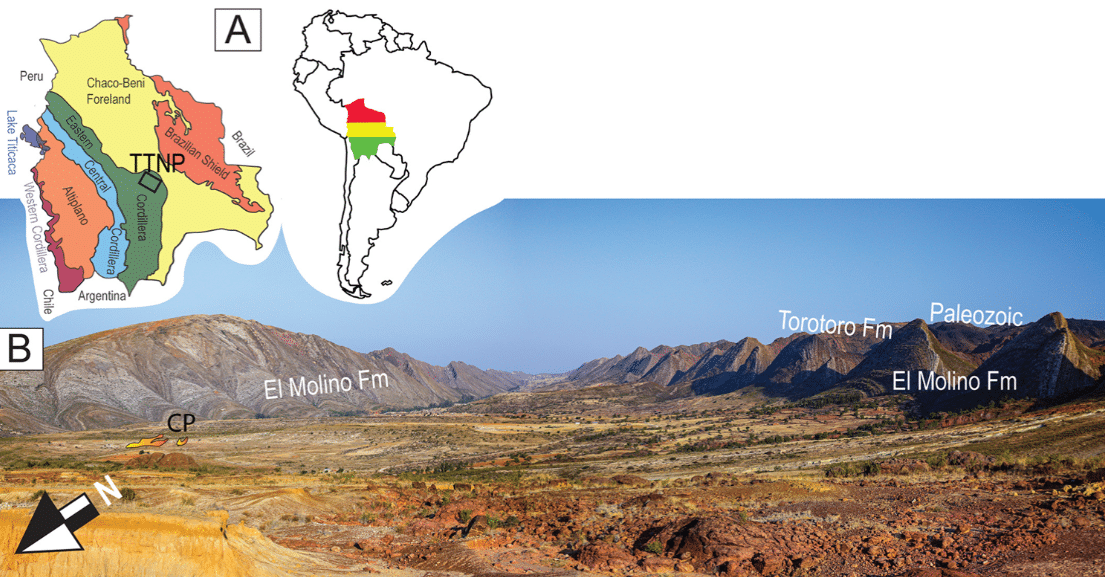
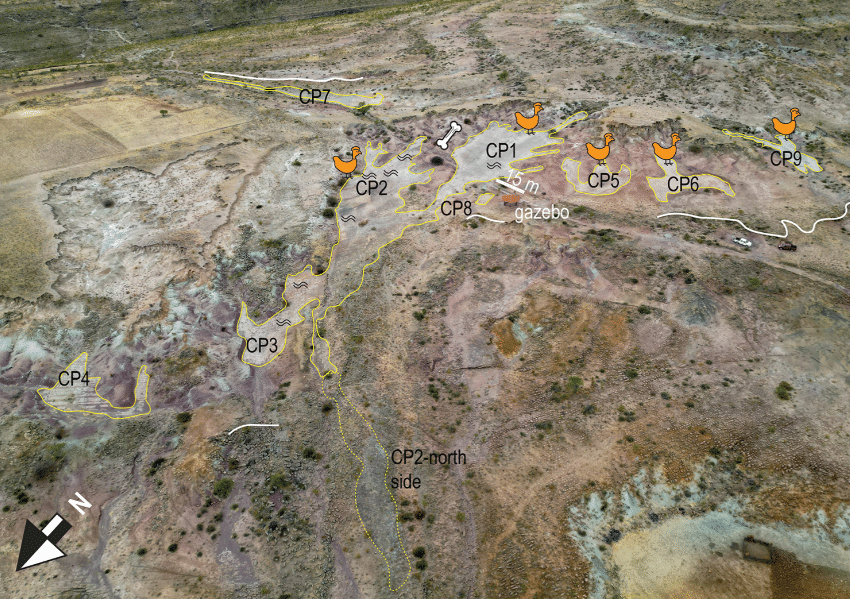
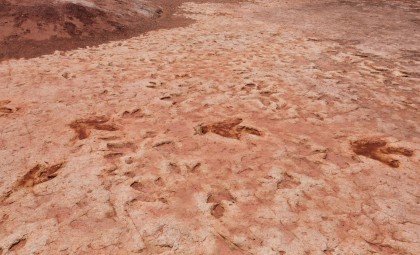
Covering an area exceeding 7,400 square meters, the Carreras Pampa site is now recognized as the largest concentration of dinosaur footprints worldwide. The fossilized tracks date back about 70 million years to the Maastrichtian stage, shortly before the mass extinction event triggered by an asteroid impact.
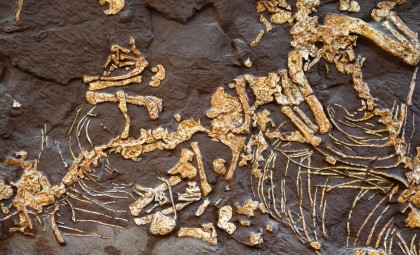
Rather than being scattered, many tracks form complete trackways, featuring claw marks, toe pads, and even tail drag impressions. Some evidence points to swimming behavior, revealing a range of locomotive styles scarcely documented elsewhere. Despite these abundant prints, fossilized bones are notably absent—demonstrating that the lakebed environment conserved movement traces rather than skeletal remains.

Ancient Movements Captured in Stone
The investigation, led by Raúl Esperante from the Geoscience Research Institute, was published in PLOS ONE. The survey documented over 1,321 trackways and 289 isolated prints across nine mapped zones of a single fossil surface. The majority were made by theropods, the bipedal carnivorous dinosaurs including species such as Tyrannosaurus rex.
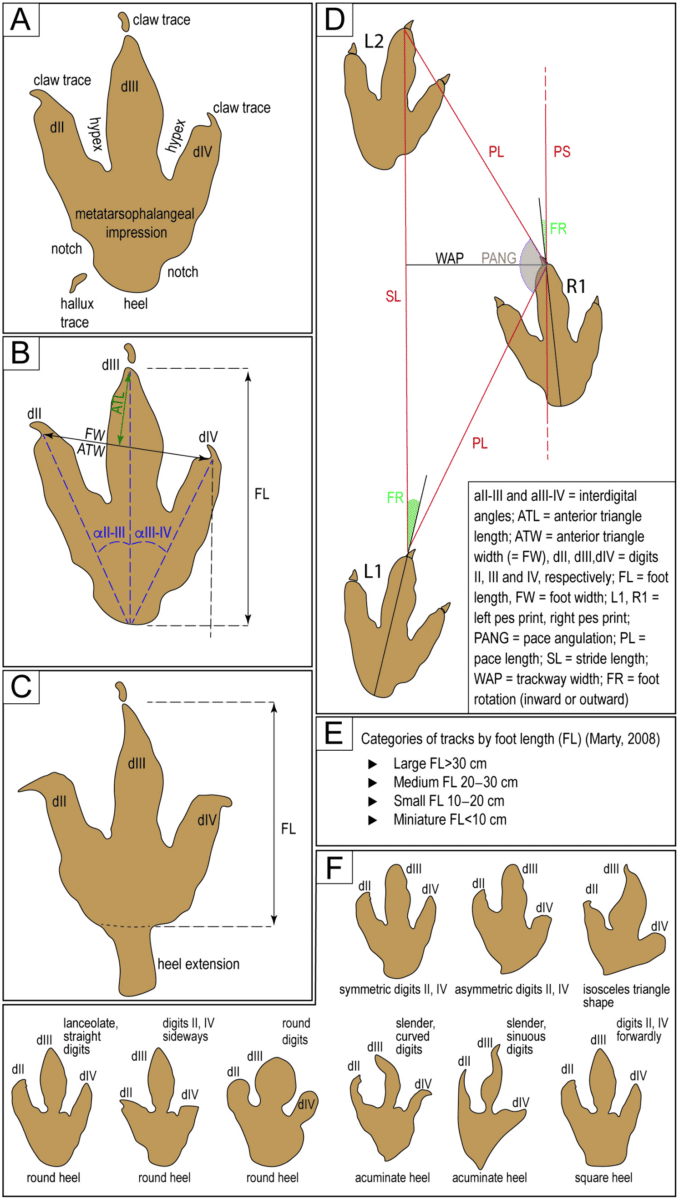
What sets Carreras Pampa apart is the variety of track forms and exceptional preservation. Researchers identified 11 unique footprint morphologies as well as three types of swimming traces, reflecting a spectrum of sizes and behaviors among dinosaurs. Track sizes vary from just a few centimeters to nearly 50 centimeters, suggesting footprints of both young and mature theropods.
The area also contains 1,378 swim tracks, defined by claw-imprinted grooves made as dinosaurs moved or propelled themselves through shallow waters. Many form continuous swimming trackways with alternating left and right imprints. Some even preserve tail drag marks, providing rare insights into locomotion in aquatic or near-water settings.
Tracks predominantly align in two directions, oriented northeast to southwest, indicating movement along the shore of a large freshwater lake, possibly linked to migratory behavior or foraging.
Bolivia Emerges as a Key Dinosaur Trace Fossil Site
Previously underappreciated in dinosaur research, Bolivia is gaining recognition for its wealth of Cretaceous period trace fossils. While the renowned Cal Orcko site near Sucre features a vast dinosaur track limestone wall, Carreras Pampa surpasses it in footprint amount and behavioral data captured.
Positioned in Torotoro National Park, a geologically rich area in the Eastern Andes, this site protects remarkable features like deep gorges, caves, and rock art, with its dinosaur footprints becoming a highlight. The tracks lie within the El Molino Formation, late Cretaceous lakebed and shoreline deposits.
The footprints were preserved under ideal conditions of soft mud and gentle sediment accumulation, which, paradoxically, were poor for bone fossilization. Trapped bodies would have decomposed or been scavenged swiftly before burial, explaining the rarity of skeletal fossils here.
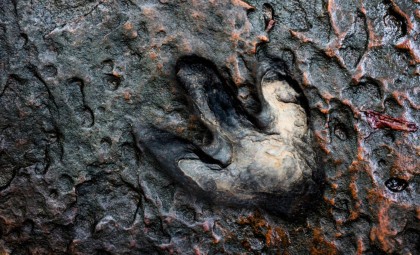
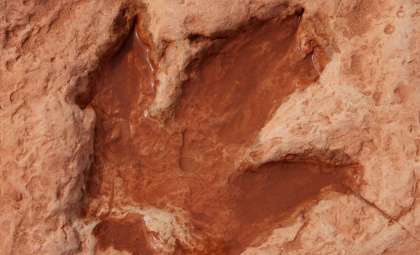
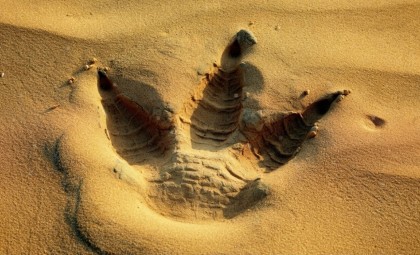
By analyzing footprint shapes, spacing, and depth, paleontologists deduce possible trackmakers and their locomotion. Most theropod footprints display three toes, with some showing evidence of heel pads and backward-pointing inner toes known as hallux impressions.
Other footprints reveal complex activity, with some trackways bending, halting, or altering direction, while others feature consistent stride patterns or irregular steps, potentially reflecting group movement or interaction with uneven terrain.
Decoding the Behavior Behind the Tracks
The detail in the Carreras Pampa prints allows for extensive behavioral interpretation. Analysis of stride lengths indicates a range of movement speeds from walking to running. Footprint impressions also suggest strong balance and stability, confirming theropods’ adeptness at navigating soft or muddy lakebed substrates.
Among the most exceptional findings are the swim tracks, elongated claw marks showing dinosaurs moving through deeper water by touching the substrate with their feet. Such traces are rare globally, and the volume here is unparalleled.
Several prints display splayed toes, interpreted as adaptations to unstable grounds or readiness to sprint. A few include slender drag marks behind the footprints, indicating tail contact with the surface.
Despite this behavioral evidence, scientists remain cautious about assigning these footprints to specific dinosaur species without bones. Some larger footprints resemble the known theropod ichnogenus Eubrontes, while smaller ones are comparable to Grallator-type tracks documented in other regions of the Americas.
- Categories:
- Science



0 comments
Sign in to Comment