
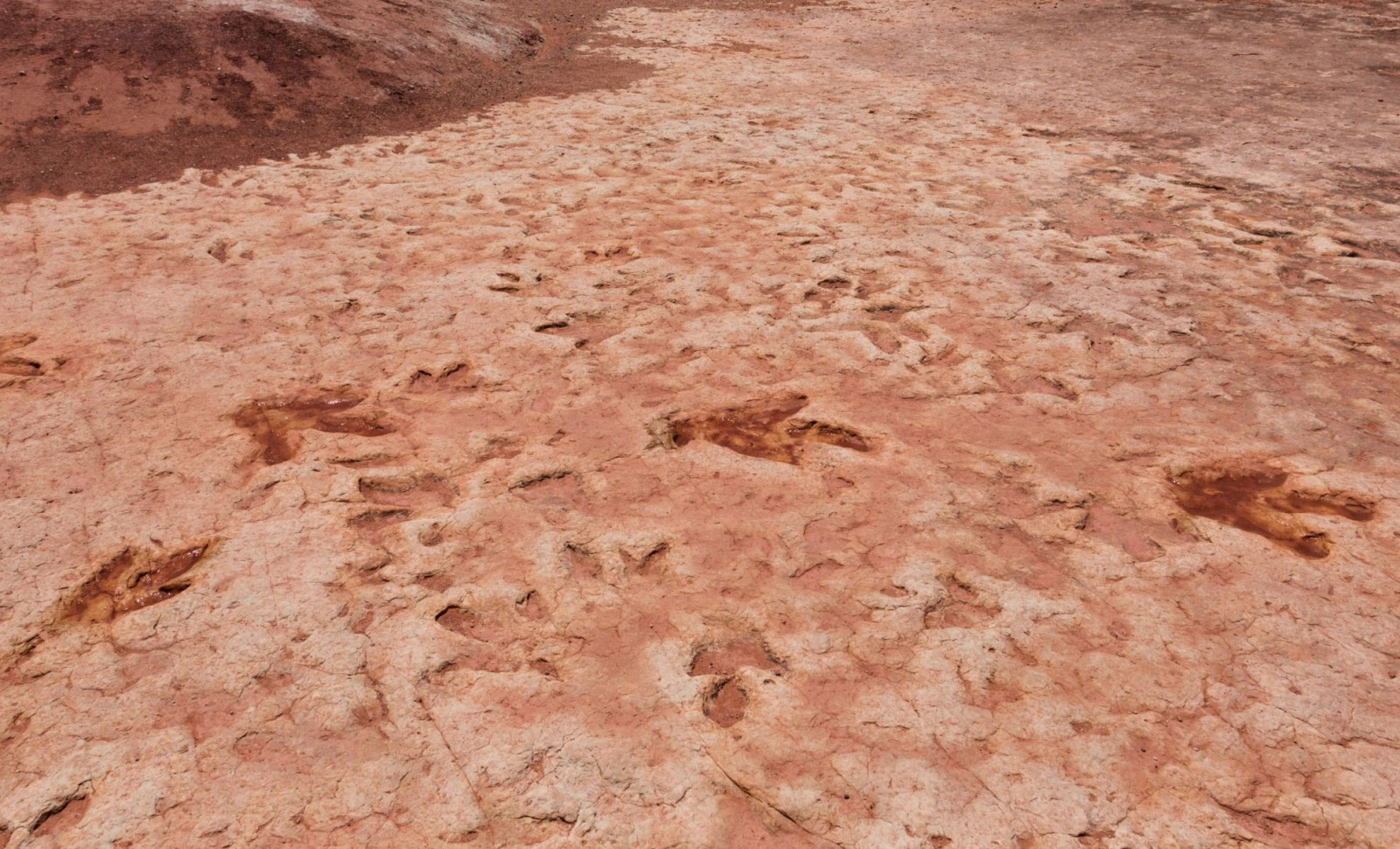
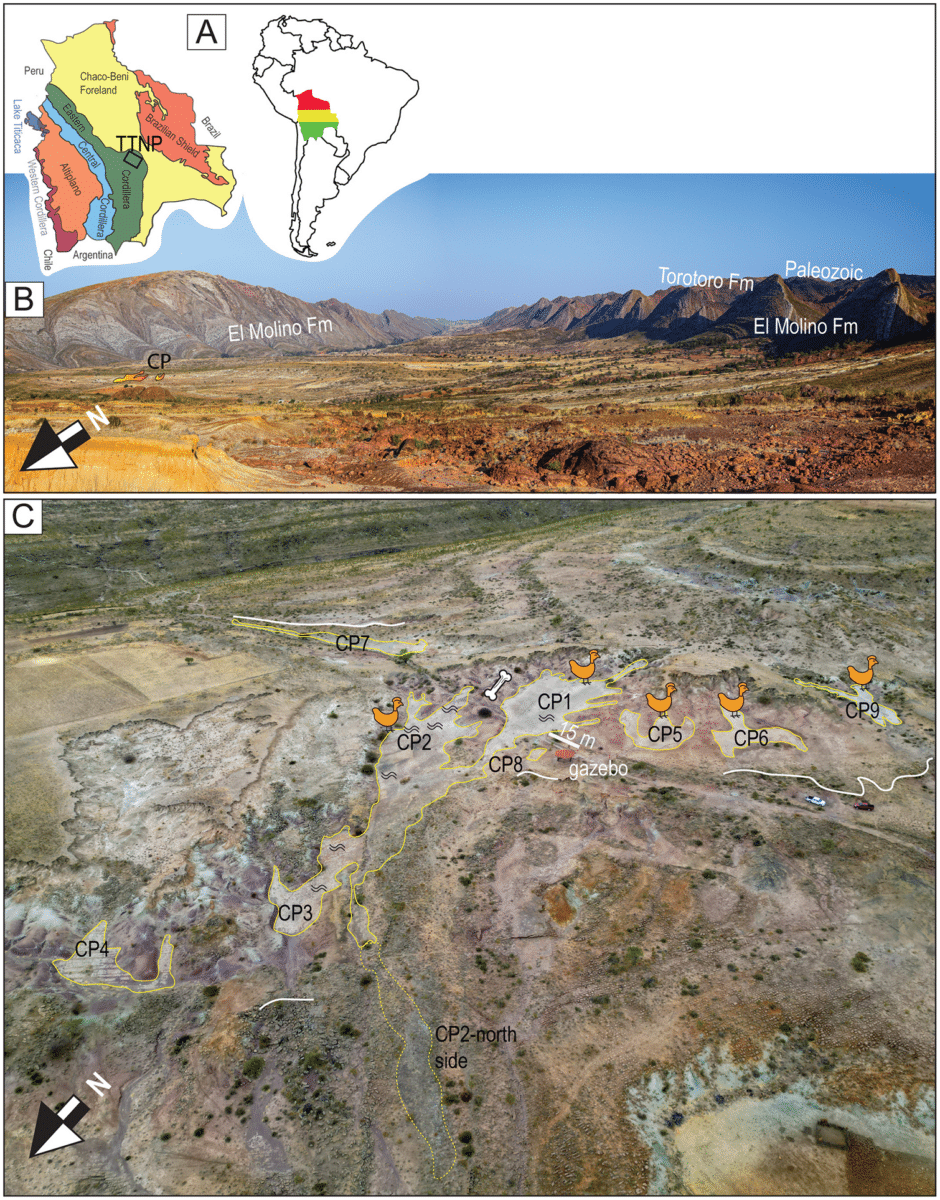
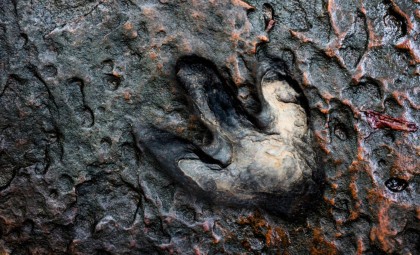
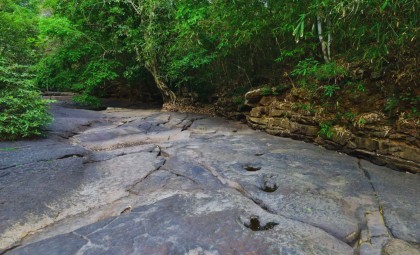
Researchers have uncovered almost 18,000 dinosaur footprints at Bolivia's Carreras Pampa, marking it as the most extensive dinosaur tracksite documented to date. Situated within the bounds of Torotoro National Park, Carreras Pampa offers invaluable insights into the locomotion and behavior patterns of prehistoric dinosaurs.
These tracks date back roughly 70 million years, capturing a time when this now arid region was once a humid and verdant environment. Despite the wealth of footprints, the lack of associated fossilized bones means scientists cannot definitively identify which dinosaur species created them.
Carreras Pampa: A Crossroad Between Earth and Sky
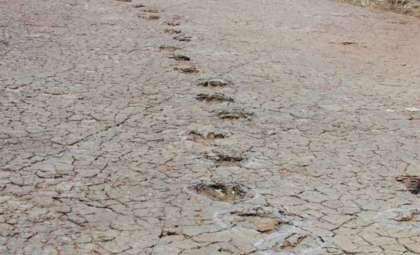
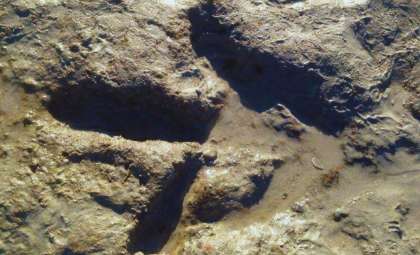
Raúl Esperante, paleontologist at the Geoscience Research Institute, notes the site contains an extraordinary collection of over 16,600 three-toed footprints, complemented by numerous additional imprints like tail drag marks and swimming traces. Boasting 1,321 distinct trackways, this location stands as the largest dinosaur tracksite ever documented.

“Bolivia has one of the most extensive and diverse records of dinosaur tracksites in the world, spanning the Triassic, Jurassic, and Cretaceous. However, despite the abundance of tracksites, few scientific studies have been published,” explained Esperanto.
Over millennia, the soft sediment where dinosaurs once traversed hardened and was layered over by subsequent deposits, preserving the footprints as natural casts. Although no skeletal remains have been discovered, these prints reveal detailed information about dinosaur movement. The footprints differ widely in terms of size, form, and depth, hinting at the presence of multiple species and varied locomotion styles.
Some tracks are identified as belonging to sizable theropods, while smaller prints likely belong to juvenile dinosaurs. This range allows paleontologists to make informed hypotheses about the diversity of dinosaur inhabitants, even if they cannot precisely name the species involved.
The Hidden Legacy of Lost Pathways
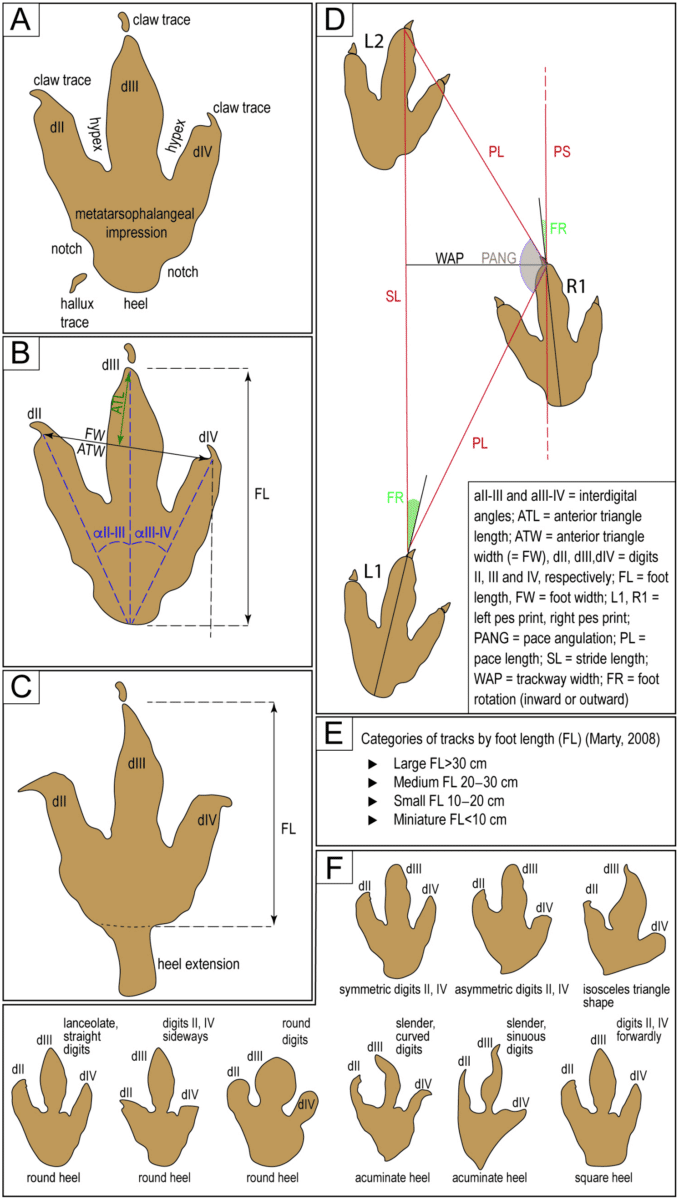
A publication in PLOS ONE highlights that these footprints lack distinct heel impressions but display regularly spaced claw marks, indicating bipedal movement. Paleontologist Raúl Esperante explains that the alternating left-right pattern and spacing of tracks suggest purposeful walking, most likely by theropods. These incomplete yet striking footprints have been dubbed “ghost tracks”, reflecting their elusive and spectral nature.
Did Dinosaurs Swim?
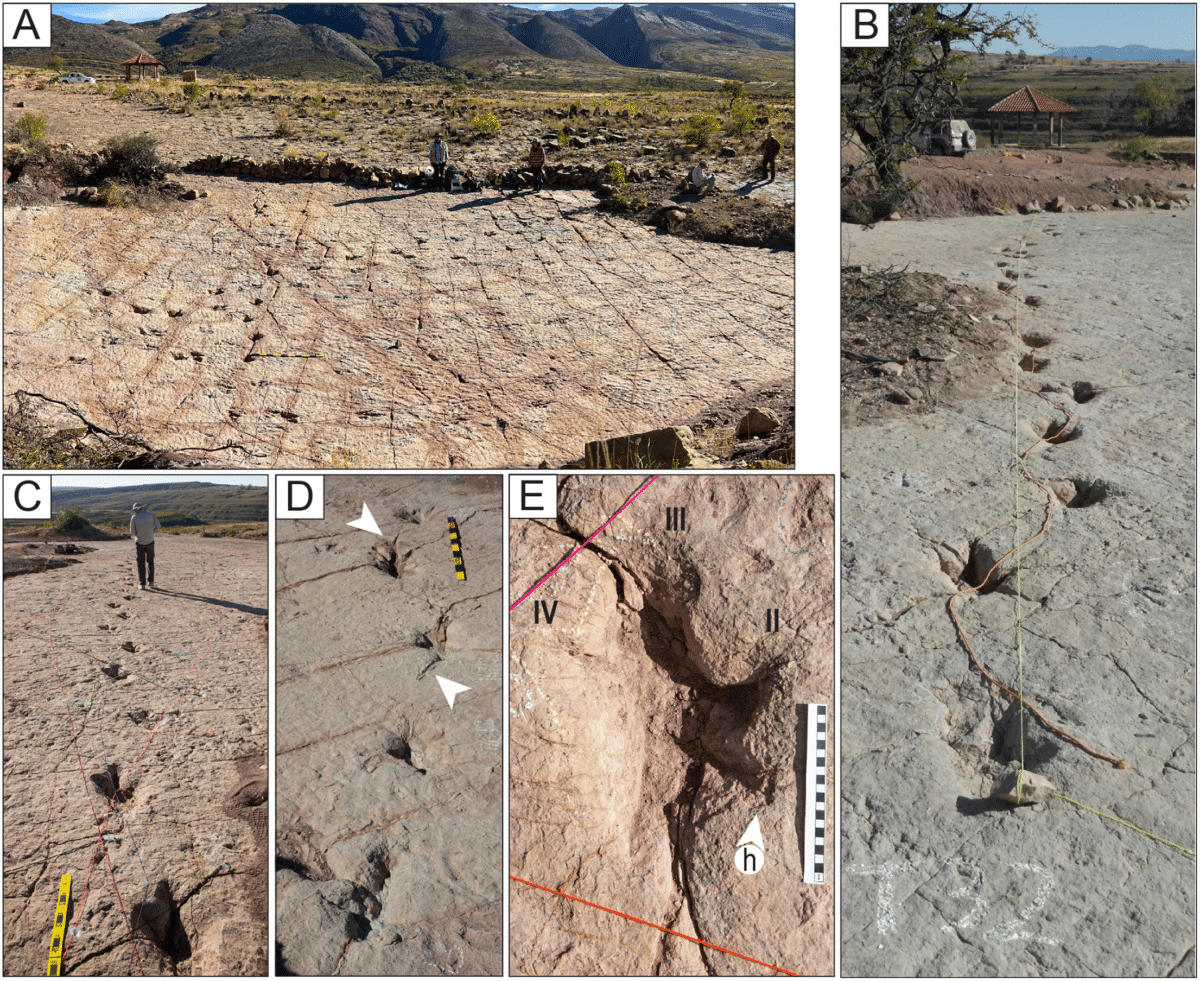
Among the intriguing findings at Carreras Pampa are distinctive swim traces, indicating some dinosaurs may have possessed swimming capabilities. These elongated grooves and scratches, located near conventional footprints, could have been produced by theropods or possibly ancient crocodilian species. While the exact creators remain unknown, these markings suggest that at least some dinosaurs might have been more aquatic than traditionally believed.
“The swim tracks, tail traces, and avian tracks are remarkably well-preserved, and most tracks are found in continuous trackways. The abundance and exceptional preservation of these tracks and traces make the Carreras Pampa tracksite an ichnologic concentration and conservation Lagerstätte.”
The notion that large theropods—typically seen as formidable land predators—could swim may come as a surprise. Still, as Esperante points out, the proximity of swim traces to theropod footprints hints at the possibility that these dinosaurs sometimes entered aquatic environments, potentially foraging or traveling safely.
- Categories:
- Science






0 comments
Sign in to Comment