
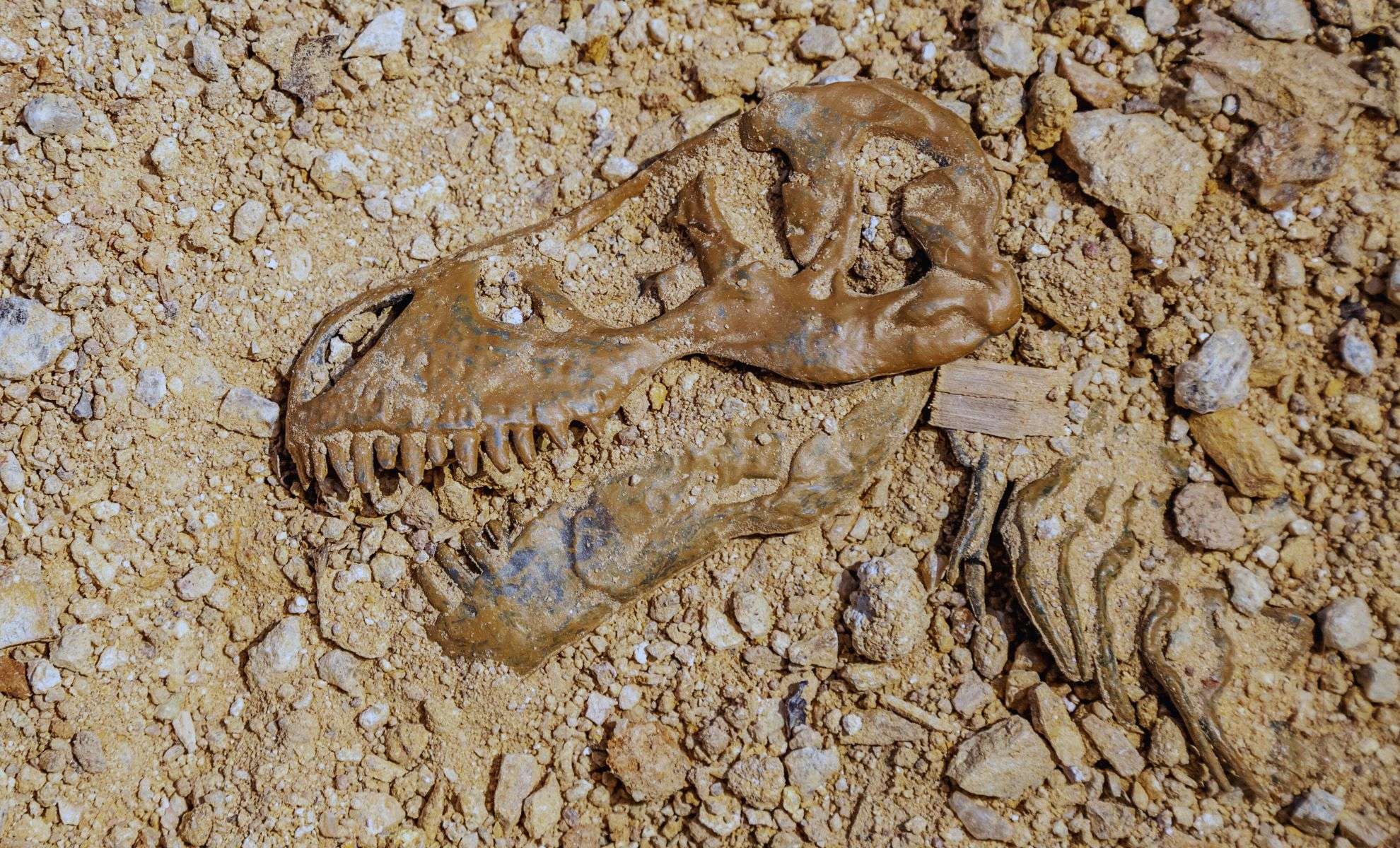
Hidden beneath the Gobi Desert's sands for over a century of millions years, paleontologists have uncovered the fossilized remains of a young dome-headed dinosaur, now named Zavacephale rinpoche. This specimen stands as the oldest and most intact pachycephalosaur ever found.
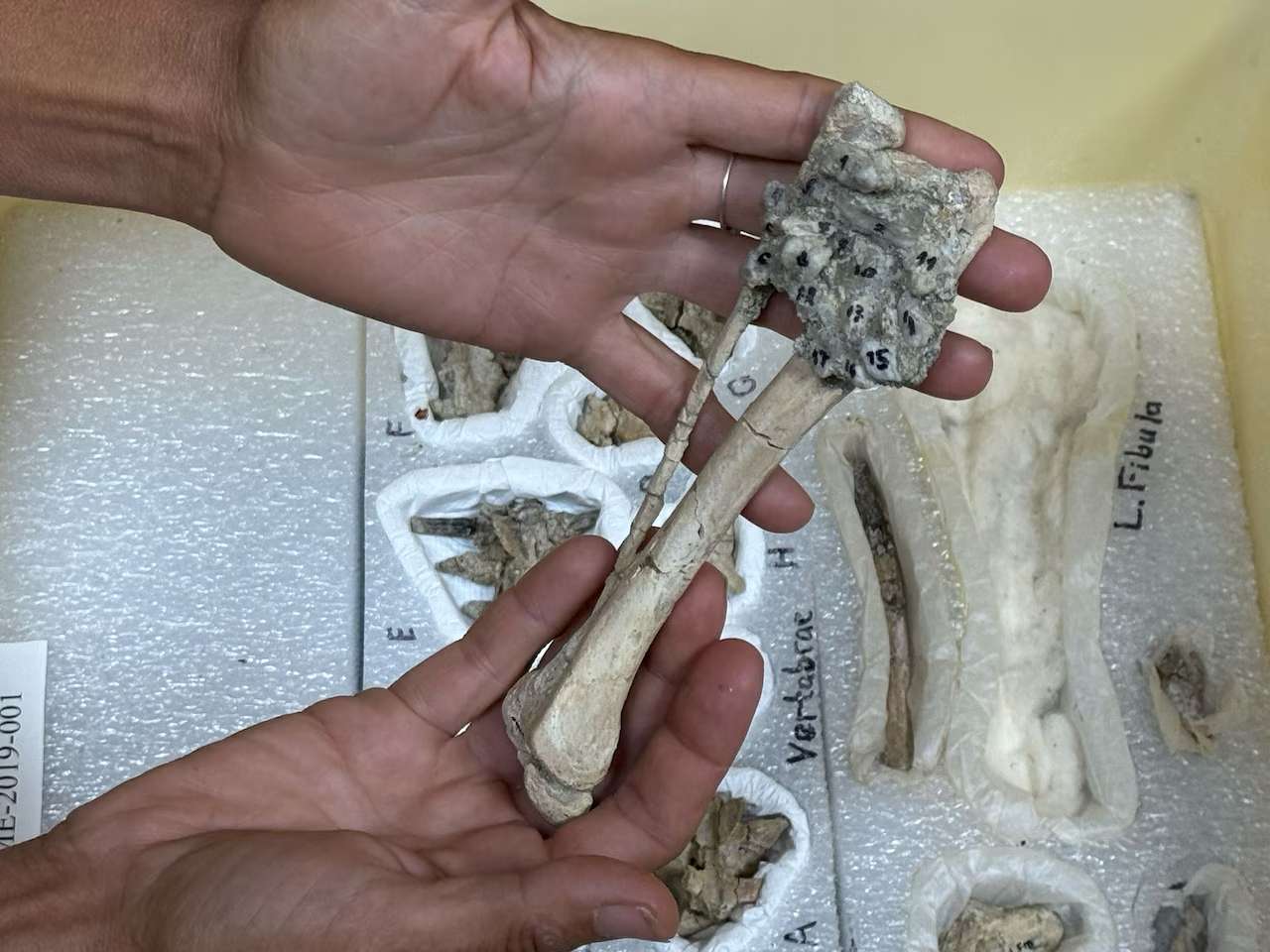
Originating from the Early Cretaceous period around 108 million years ago, the discovery is thoroughly described in a Nature publication. Measuring close to one meter in length and tipping the scale at under six kilograms, the juvenile skeleton provides unprecedented insight into the early development of these distinctive dinosaurs.
The Dawn of Dome-Headed Dinosaurs: Introducing Zavacephale
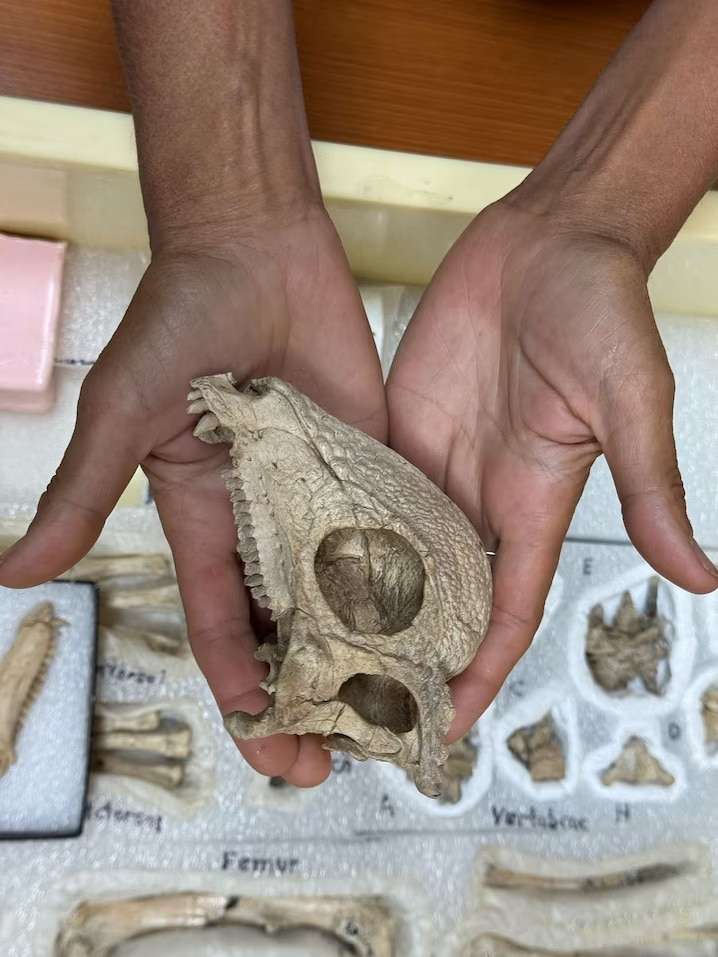
These herbivorous dinosaurs are renowned for their distinctive, thick skull domes. Known scientifically as pachycephalosaurs, they have been primarily identified through their durable cranial caps, as other bones rarely fossilize well. The discovery of Zavacephale is remarkable because it includes a nearly complete skeleton, offering fresh perspectives beyond just the dome.

The skull itself holds unique features; unlike its descendants with domes made from two fused cranial bones, Zavacephale's dome was a single bone adorned with small spikes and bony protrusions. Despite its youth, the dome was fully developed, prompting researchers to re-evaluate theories on its purpose.
Possible Social Functions of the Dome
These robust skulls likely served functions beyond predator defense or thermal regulation. Scientists now believe the domes played a key role in social signaling, possibly for courting or dominance displays—similar to head-butting behaviors seen in modern bighorn sheep, but dinosaurian in origin.
Lead researcher Paleontologist Lindsay Zanno summarized it: “The consensus is that these dinosaurs used the dome for socio-sexual behaviors… most likely for showing off and competing for mates.”
The presence of a prominent dome in a juvenile indicates that even the younger members took part in social interactions, implying complex behavioral patterns from an early age.
Contextualizing the Habitat and Diet
The fossil emerged from an ancient former valley rich with lakes and cliffs, illustrating a diverse prehistoric environment. Alongside Zavacephale, remains of turtles, fish, and other herbivorous dinosaurs were found, sketching a vibrant ecosystem.
Inside the dinosaur’s digestive tract, scientists found gastroliths—small stones swallowed to assist with grinding tough plant material—offering valuable clues about its feeding strategies during a period when flowering plants were still scarce.
Bridging Evolutionary Mysteries
Prior understanding of dome-headed dinosaurs centered mostly on their durable skulls, leaving questions about limb morphology, digestive biology, and the origins of their trademark domes unanswered.
Zavacephale not only extends the timeline of pachycephalosaurs by about 15 million years but also sheds light on their evolutionary history. According to Zanno, “We’ve been missing transitional forms that can shed light on how their bizarre cranial domes evolved.”
The genus name Zavacephale combines the Tibetan word for "origin" with the Latin term for "head," fittingly denoting the earliest known representative of this dome-headed dinosaur family.
- Categories:
- News








0 comments
Sign in to Comment