

After extensive investigation, researchers have conclusively identified the origin of the Silverpit Crater beneath the North Sea. Current findings confirm that a 160-meter-wide asteroid collided with the sea floor approximately 43 to 46 million years ago, generating a colossal tsunami exceeding 100 meters in height.
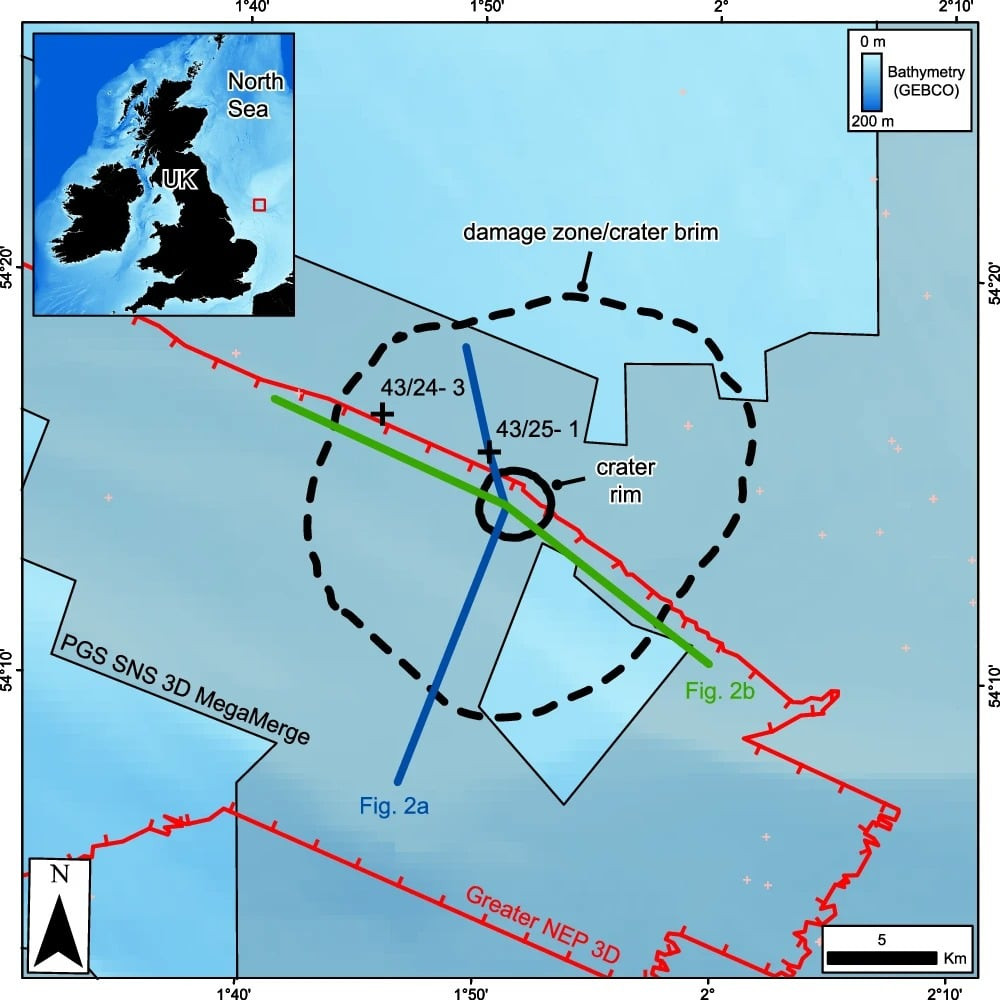
Situated roughly 700 meters beneath the ocean bed, Silverpit has triggered debate since its 2002 discovery. Some experts believed the crater resulted from an asteroid impact, while others suggested alternative processes such as salt tectonics or volcanic activity. This new evidence firmly supports the asteroid collision explanation.
Advances in Seismic Technology Reveal the Truth
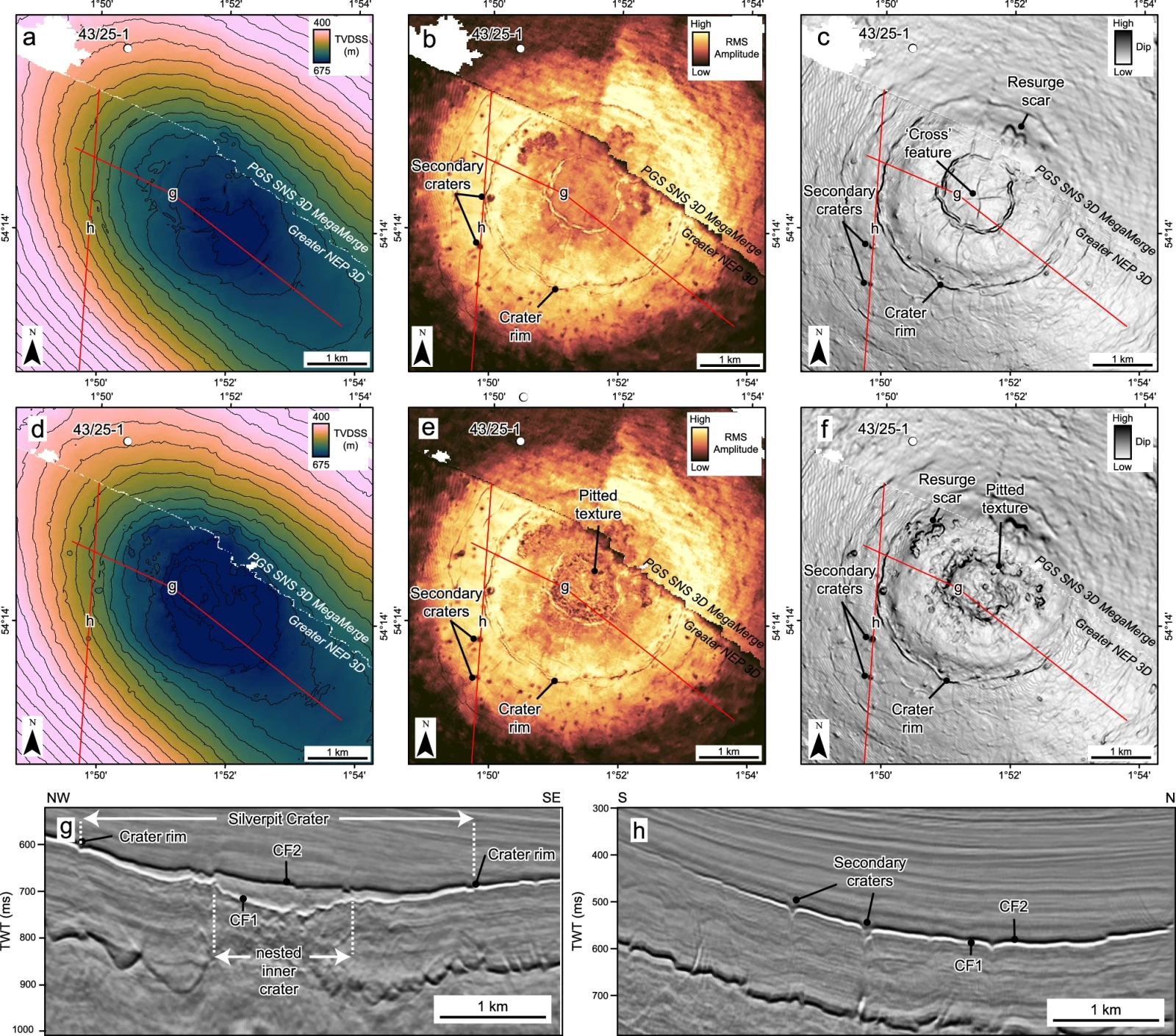
Dr. Uisdean Nicholson from Heriot-Watt University states that the breakthrough was made possible by cutting-edge seismic imaging methods. A paper published in Nature Communications describes how the team also analyzed sediment samples underneath the seabed, uncovering shock-metamorphosed quartz and feldspar crystals, minerals formed exclusively under the extreme pressures of an asteroid impact.

“We were exceptionally lucky to find these,” Nicholson said. “These prove the impact crater hypothesis beyond doubt, because they have a fabric that can only be created by extreme shock pressures.”
This discovery offers a rare glimpse into the aftermath of an asteroid collision.
The Cataclysmic Event Behind Silverpit
The asteroid responsible for the Silverpit Crater struck with such intense energy that it propelled a towering column of rock and water soaring more than 1.5 kilometers into the air. Dr. Nicholson noted that this explosion triggered a tsunami exceeding 100 meters in height, likely inflicting significant devastation on nearby regions.
“It created a 1.5-kilometer high curtain of rock and water that then collapsed into the sea, creating a tsunami over 100 meters high.”,” Nicholson said.
Silverpit’s Place Among Earth’s Impact Craters
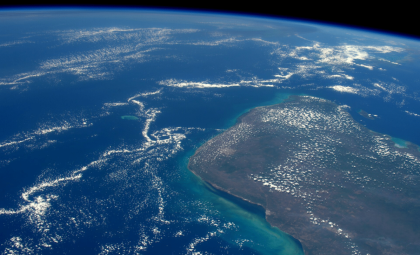
Researchers are drawing parallels between Silverpit and notable impact sites like the Chicxulub crater in Mexico, famous for its association with the asteroid event that led to the dinosaurs' extinction. Professor Gareth Collins of Imperial College London remarked:
“I always thought the impact hypothesis was the simplest explanation and most consistent with the observations.”
With fewer than 33 confirmed submarine impact craters, Silverpit’s remarkable preservation provides a valuable opportunity to study these rare phenomena. As Dr. Nicholson emphasized:
“Silverpit is a rare and exceptionally preserved hypervelocity impact crater… These are rare because Earth’s dynamic nature—plate tectonics and erosion—destroys most traces of these events.”
- Categories:
- Science






0 comments
Sign in to Comment