
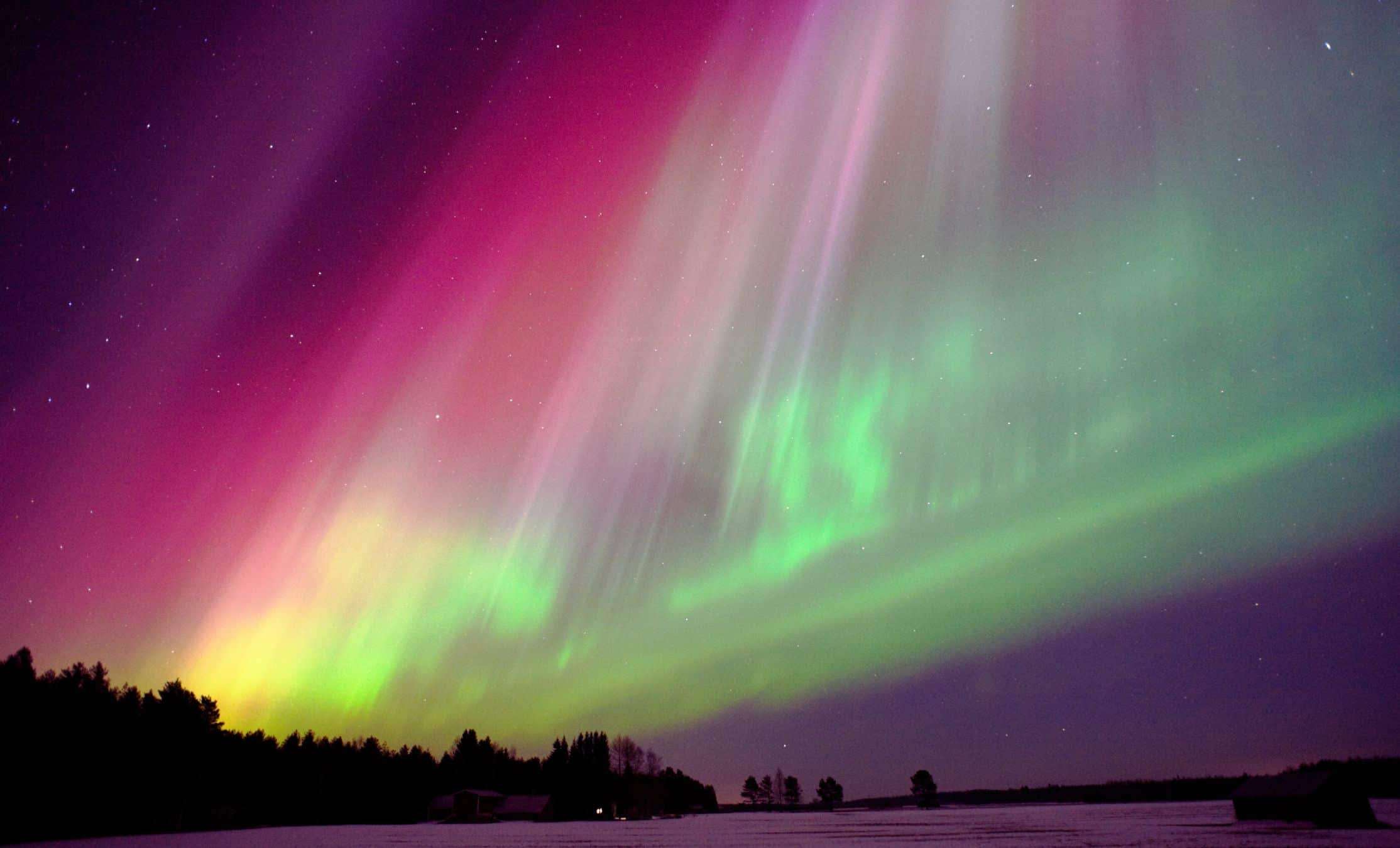
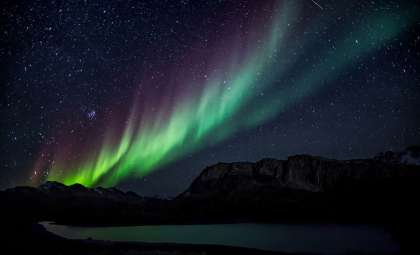
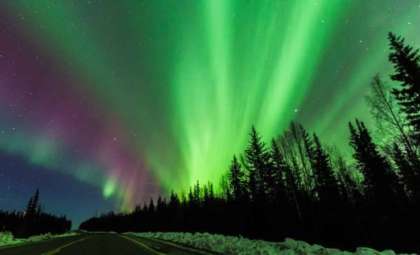
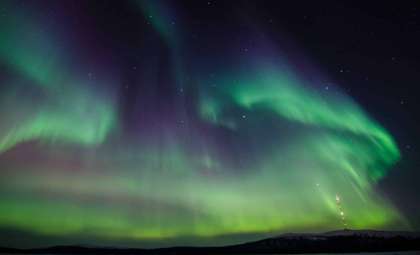
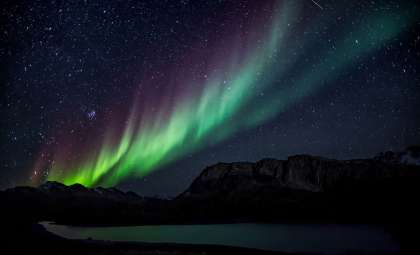
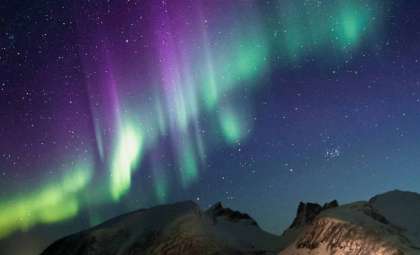
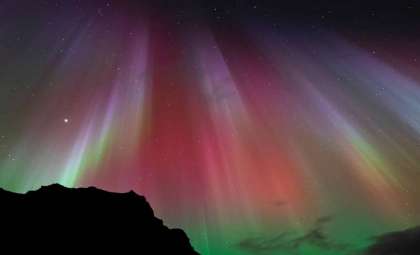
The stunning northern lights, also known as auroras, are anticipated to paint the night skies across many northern U.S. states this weekend due to a continuing geomagnetic disturbance. Following a solar storm that impacted Earth on June 12-13, the auroral oval — the zone where these lights usually appear — is projected to push farther south than typical. This presents a rare chance for many regions unaccustomed to observing the aurora to experience this colorful sky spectacle.
Regions Across 18 States Poised for Auroral Displays Tonight and During the Weekend
As reported by NOAA’s Space Weather Prediction Center (SWPC), the combined impact of the recent solar storm and an interacting solar wind feature called a co-rotating interaction region (CIR) is expected to extend auroral visibility across a broader swath of the northern United States. NOAA SWPC has issued a moderate (G2) geomagnetic storm alert for June 14, indicating that the aurora might be observable as far south as Wyoming and New York.
The following 18 states have the highest potential to witness the aurora:

- Alaska
- Montana
- North Dakota
- Minnesota
- Wisconsin
- Michigan
- South Dakota
- Maine
- Vermont
- New Hampshire
- Idaho
- Washington
- Oregon
- New York
- Massachusetts
- Connecticut
- Rhode Island
- Wyoming
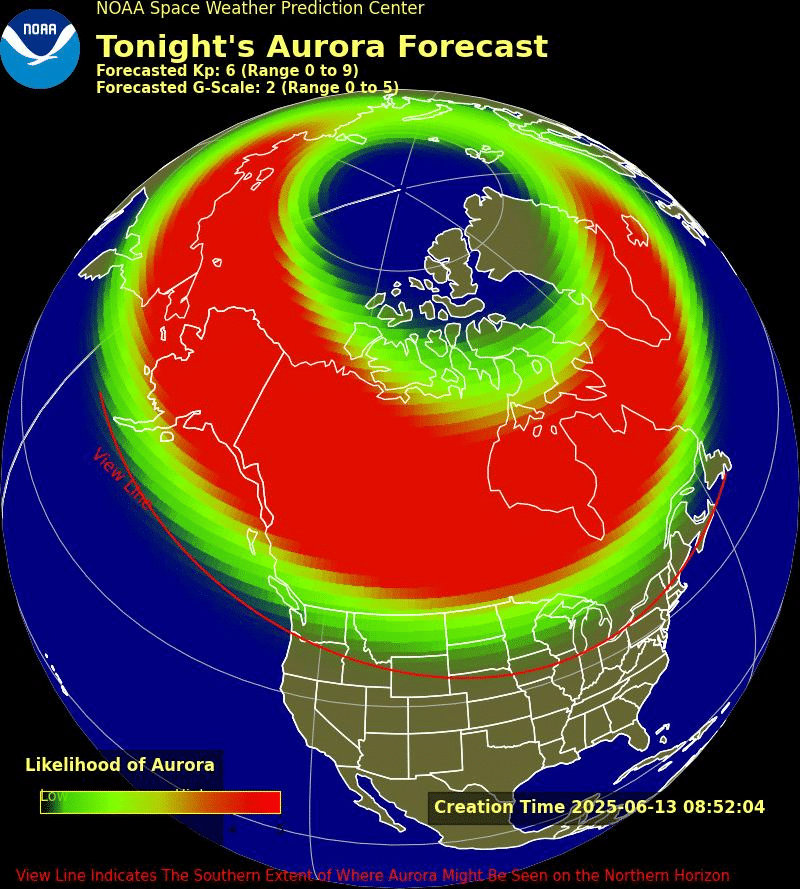
Why Geomagnetic Storms Push the Northern Lights Further South
Geomagnetic storms occur when variations in Earth’s magnetic field, often influenced by solar winds or flares, disturb its normal state. When a solar event reaches Earth, it can induce a geomagnetic storm categorized on a G-scale from G1 (minor) to G5 (severe). A storm rated G2 is strong enough to shift the aurora’s usual position near the poles downward, allowing northern U.S. locations to enjoy the light display.
On June 12-13, Earth was subjected to a moderate G2 geomagnetic storm, followed by a CIR—a zone where faster solar wind catches up with slower particles—expected to influence conditions through June 14. This dynamic space weather increases the likelihood of auroras in 18 U.S. states in the near term.
Best Conditions to Spot the Northern Lights
Geomagnetic activity is vital for aurora visibility, but optimal viewing also depends on other elements. The peak viewing window is typically between 1 and 2 a.m., when skies are darkest. Additional factors include:
- Clear Skies: Cloudless nights are crucial; overcast conditions can block the aurora even when geomagnetic activity is high.
- Minimal Light Pollution: Seek out dark locations facing north and away from bright urban lights to enhance visibility.
- Shorter Nighttime Hours: Approaching the summer solstice on June 20-21, darkness is limited, so aurora viewing must occur during early morning hours for the best chance.
Monitoring Aurora Activity and Space Weather Updates
For anyone wanting to track space weather and predict auroral appearances, various apps offer live updates and forecasts. “My Aurora Forecast & Alerts” and “Space Weather Live” are two well-known applications providing customized alerts based on location. Additionally, NOAA offers an advanced, experimental Aurora Viewline tool that visually maps aurora probability and affected regions, helping enthusiasts stay informed in real time.
- Categories:
- News



0 comments
Sign in to Comment