
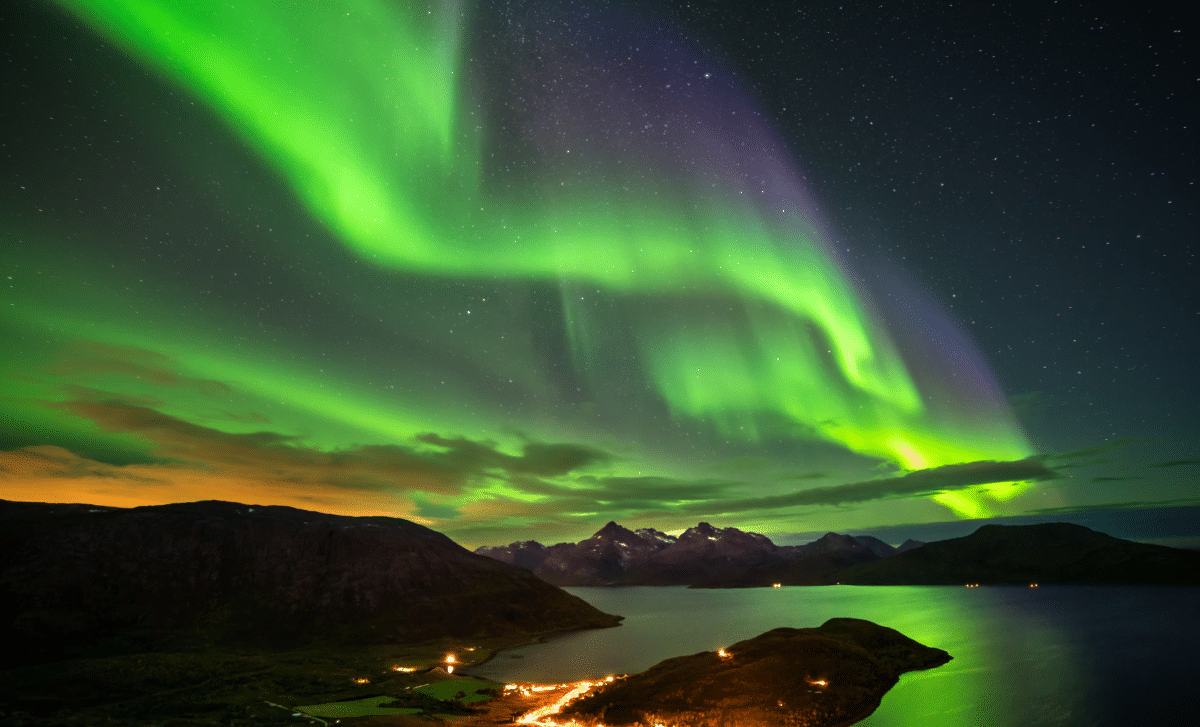
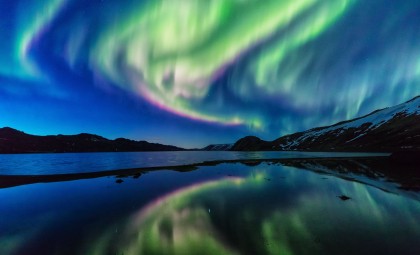
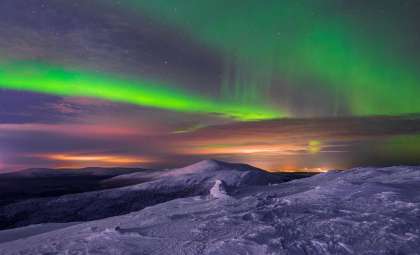
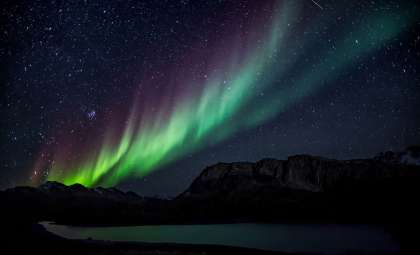
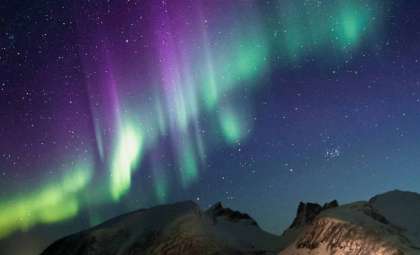
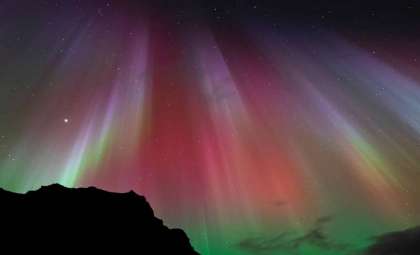
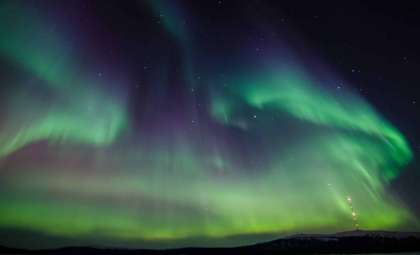
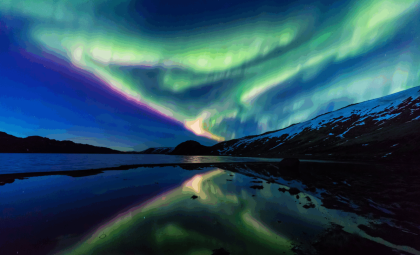
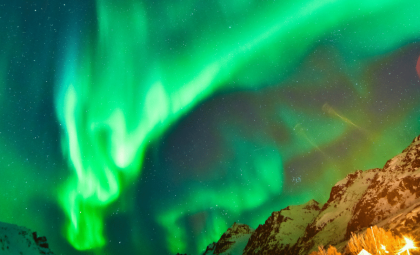
A geomagnetic storm predicted by NOAA is set to push the Northern Lights further south than usual. From the evening of Saturday, February 7, through Sunday, February 8, 2026, a coronal mass ejection (CME) resulting from a powerful solar flare will stir mild geomagnetic disturbances, potentially allowing auroras to appear in several U.S. states not commonly known for aurora sightings. NOAA's recent updates indicate that these vibrant lights could be observed across up to 10 states along the U.S.-Canada border.
Understanding Solar Flares and Coronal Mass Ejections
The solar flare behind this event registers as an intense X4.2 class flare, originating from sunspot AR4366, a region marked by heightened magnetic activity on the sun’s surface. Sunspots occasionally unleash tremendous bursts of energy and charged particles known as coronal mass ejections (CMEs), which traverse space rapidly and interact with Earth's magnetic field. When these charged particles collide with Earth's magnetosphere, they spark the stunning auroral displays. Currently, the solar cycle is at its peak phase, called solar maximum, which naturally boosts the frequency and strength of such solar phenomena, enhancing aurora viewing opportunities over the next few years.
Where to Spot the Northern Lights in the United States
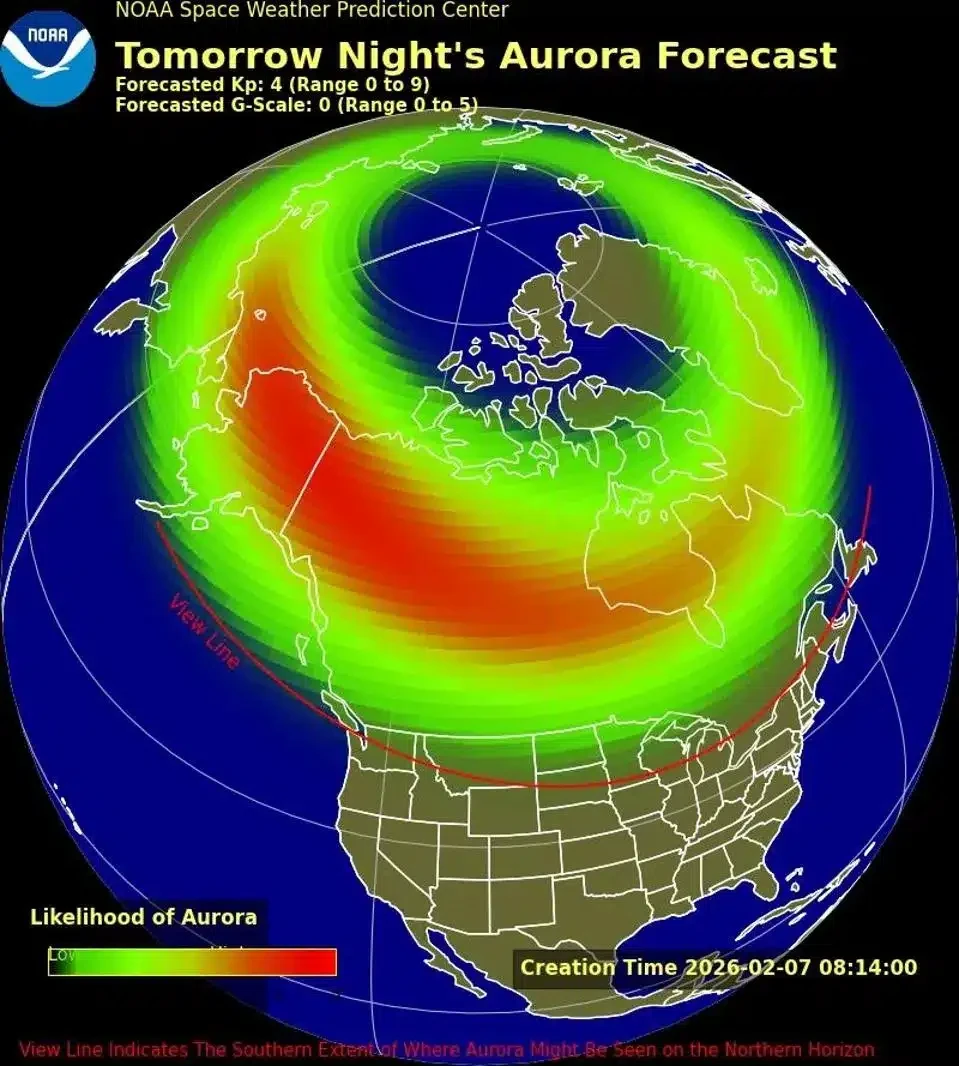
Based on NOAA's aurora view line forecasts, this geomagnetic event has the potential to extend aurora visibility deep into the continental U.S. Traditionally limited to Alaska and northern Canadian regions, the aurora borealis may soon be seen in states such as Washington, Idaho, Montana, Wyoming, North Dakota, South Dakota, Minnesota, Wisconsin, Michigan, and Maine. Observers will likely notice the phenomenon along the northern horizon, with visibility relying heavily on clear skies and minimal light pollution.

Tips for Witnessing the Northern Lights in the U.S.
To maximize the chance of seeing the aurora, it’s best to find a location free from city light interference. Resources like the Dark Sky Place Finder and light pollution maps can guide you to ideal viewing spots. Additionally, with the moon expected to rise only after 2 a.m. on Sunday, February 8, the darkness will perfect viewing conditions. Even though stronger geomagnetic storms yield more vivid auroras, a moderate storm can still offer a captivating light show for those in dark, clear areas facing north.
NOAA’s Vital Role in Space Weather Forecasting
The National Oceanic and Atmospheric Administration (NOAA) monitors solar and space weather closely to provide timely forecasts aimed at reducing the impact of solar storms. Their Space Weather Prediction Center (SWPC) keeps constant watch on solar activity and issues warnings about upcoming geomagnetic disturbances. By tracking solar winds and flare emissions, NOAA helps predict when and where the Northern Lights might appear. Their real-time alerts, including short-term aurora predictions, are essential tools for aurora enthusiasts.
How Solar Cycles Influence Aurora Sightings
Solar cycles, each lasting roughly 11 years, reflect the waxing and waning of solar activity. During the solar maximum, increased sunspot counts and more frequent solar flares lead to heightened chances of geomagnetic storms and auroras. With the current cycle nearing its peak, viewers can anticipate more frequent and brighter aurora displays, even in regions normally too far south for these lights.
Looking Ahead: Enhanced Aurora Displays in 2026
As we remain in the heart of the solar maximum, an increase in solar flares and CMEs is forecasted, offering more chances to witness the Northern Lights across the U.S. This trend is expected to continue throughout 2026, making it an excellent period for sky-watchers to plan aurora observation outings. Residents in Alaska and northern U.S. states might experience some of the most spectacular and vivid auroral light shows seen in recent years.
- Categories:
- News


0 comments
Sign in to Comment