
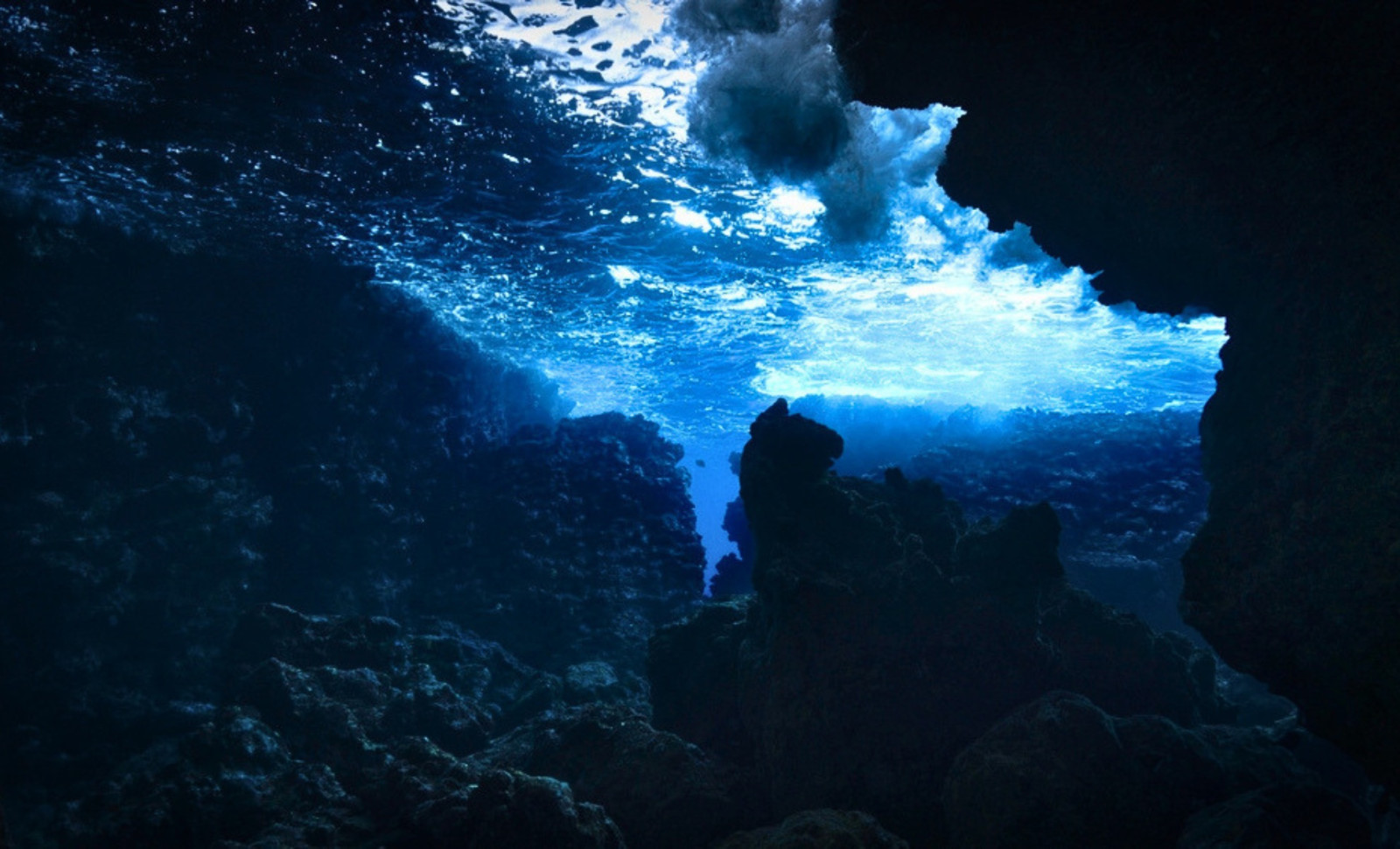
The Pacific shoreline of Panama has long followed a dependable seasonal cycle that local fishermen have relied upon for many generations. During the dry season, persistent trade winds blow offshore, triggering a transformation in the ocean. Cold, nutrient-rich water rises to the surface, sparking a flourishing marine environment where massive schools of anchovies swim, pelicans dive energetically, and coral reefs receive a rare respite from high temperatures.
However, in 2025, these familiar changes failed to materialize.
The sea surface remained warm. The nutrient upwelling did not occur. No bloom emerged. Specialists at the Smithsonian Tropical Research Institute (STRI), who have monitored this natural cycle for over forty years, observed an unprecedented collapse during this dry season. Their research, published in September 2025 in the Proceedings of the National Academy of Sciences, presents the first recorded total failure of the Gulf of Panama’s seasonal upwelling in four decades.

The Vital Force Behind Panama’s Coastal Fisheries
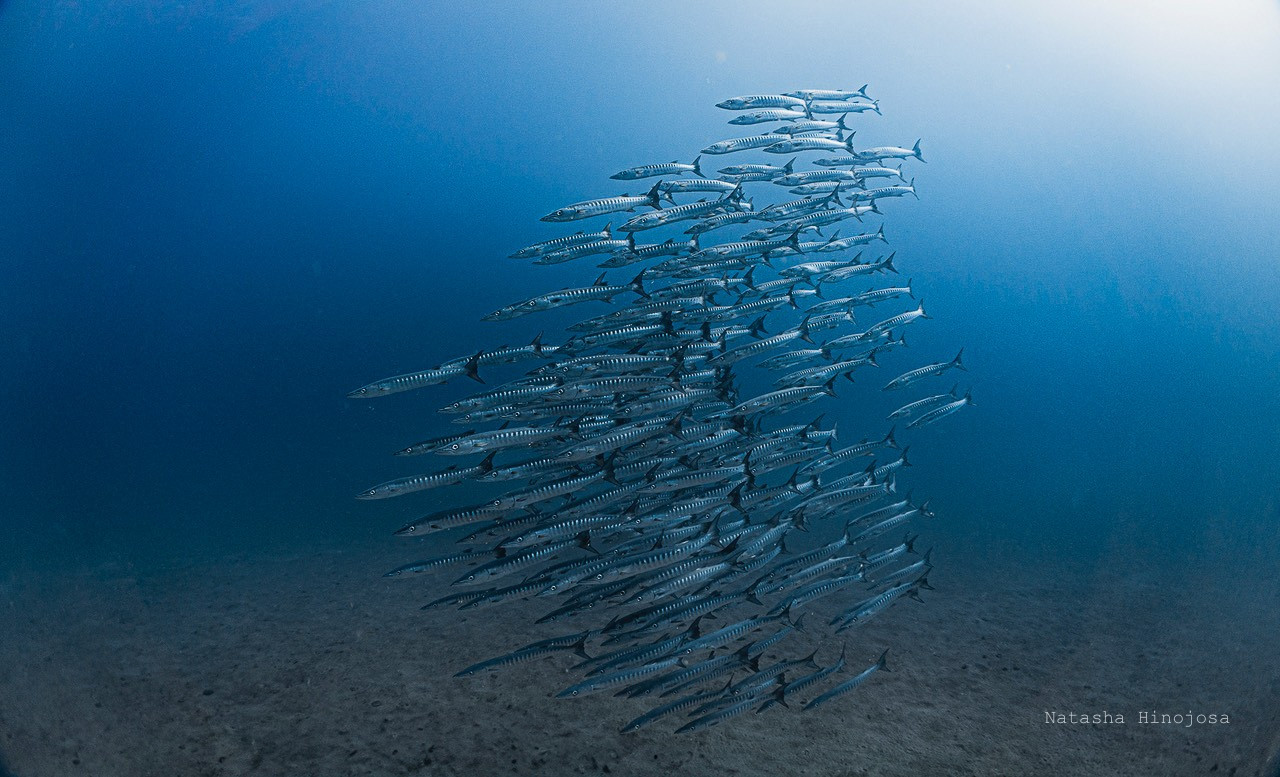
From January through April each year, powerful northern trade winds drive the Gulf of Panama’s surface waters offshore. This displacement allows colder, nutrient-dense waters to rise and replace the surface layer. The influx of nutrients fuels a burst of phytoplankton growth, which forms the base of a thriving food network supporting anchovies, sardines, larger predators, and seabirds.
For the Pacific coast of Panama, this upwelling is not a mere seasonal treat but the cornerstone of marine productivity. It sustains vital fisheries that have supported coastal communities for millennia, offers coral reefs a thermal shield during periods of warming, and helps maintain cooler beach temperatures throughout the high-season dry months, attracting tourists. Without the upwelling, the entire marine ecosystem’s delicate balance is disrupted.
What sets the Gulf of Panama apart is its extraordinary reliability. Unlike many upwelling regions worldwide, which see strong year-to-year variation, this seasonal pulse had been a near-perfect constant in STRI’s records. Scientists saw it as an unchanging calendar event rather than a variable natural phenomenon. This steady predictability made the abrupt failure in 2025 all the more startling, with cascading effects for the ecosystem.
Unraveling the Cause: When Winds Falter
The investigative team, including researchers from the Max Planck Institute for Chemistry aboard their ship S/Y Eugen Seibold, attributed the breakdown to weakened trade winds. More specifically, the culprit was diminished gap winds—air currents flowing through low mountain passes in the Central American mountain range from the Caribbean side. In 2025, these winds were the weakest observed in four decades, blowing less frequently, with less intensity, insufficient to disrupt the warm surface layer that usually overlies cooler water beneath.
The research connects this atmospheric anomaly to the position of the Intertropical Convergence Zone (ITCZ) during the 2024-2025 La Niña event. This zone of low pressure and rising air near the equator influences wind patterns throughout Central America. Yet, the scientists caution that the precise mechanisms remain uncertain, and no definitive causal link has been established.
"This is the first occasion where atmospheric and oceanic circulation shifts have surpassed a threshold, leading to a drop in biological output," said Dr. Ralf Schiebel, group leader in the Climate Geochemistry Department at the Max Planck Institute for Chemistry.
The Critical Role of Long-Term Monitoring
This discovery was made possible through decades-long observation. STRI’s Physical Monitoring Program has continuously recorded sea surface temperatures in the eastern tropical Pacific near Panama for more than forty years. Each year, seasonally cooled waters appeared as a consistent dip in the data—except in 2025, when the temperature remained steady, omitting the expected drop.
Supplementing this, the S/Y Eugen Seibold provided critical additional data since 2023. Its measurements of wind velocity, temperature profiles, and ocean layering allowed researchers to pinpoint not only that the upwelling had failed but identify its physical cause. Without both datasets, the phenomenon might have remained ambiguous; together, they offer a clear picture.
Gerald Haug, head of the Climate Geochemistry Department at the Max Planck Institute for Chemistry, urges caution: "It's premature to conclude that ongoing climate and ocean warming will necessarily diminish upwelling in the tropical eastern Pacific."
Clear Signs of Ecological Disruption
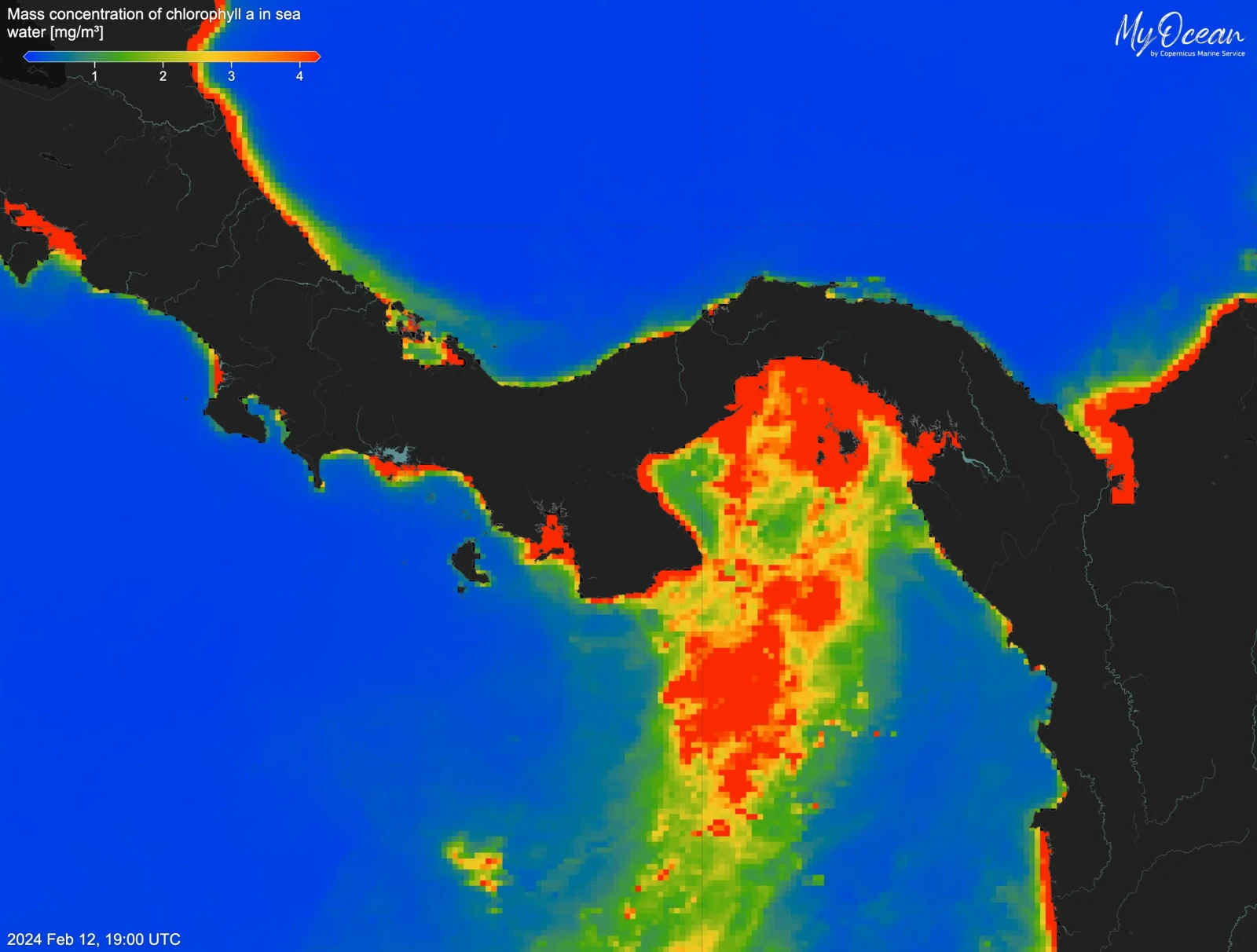
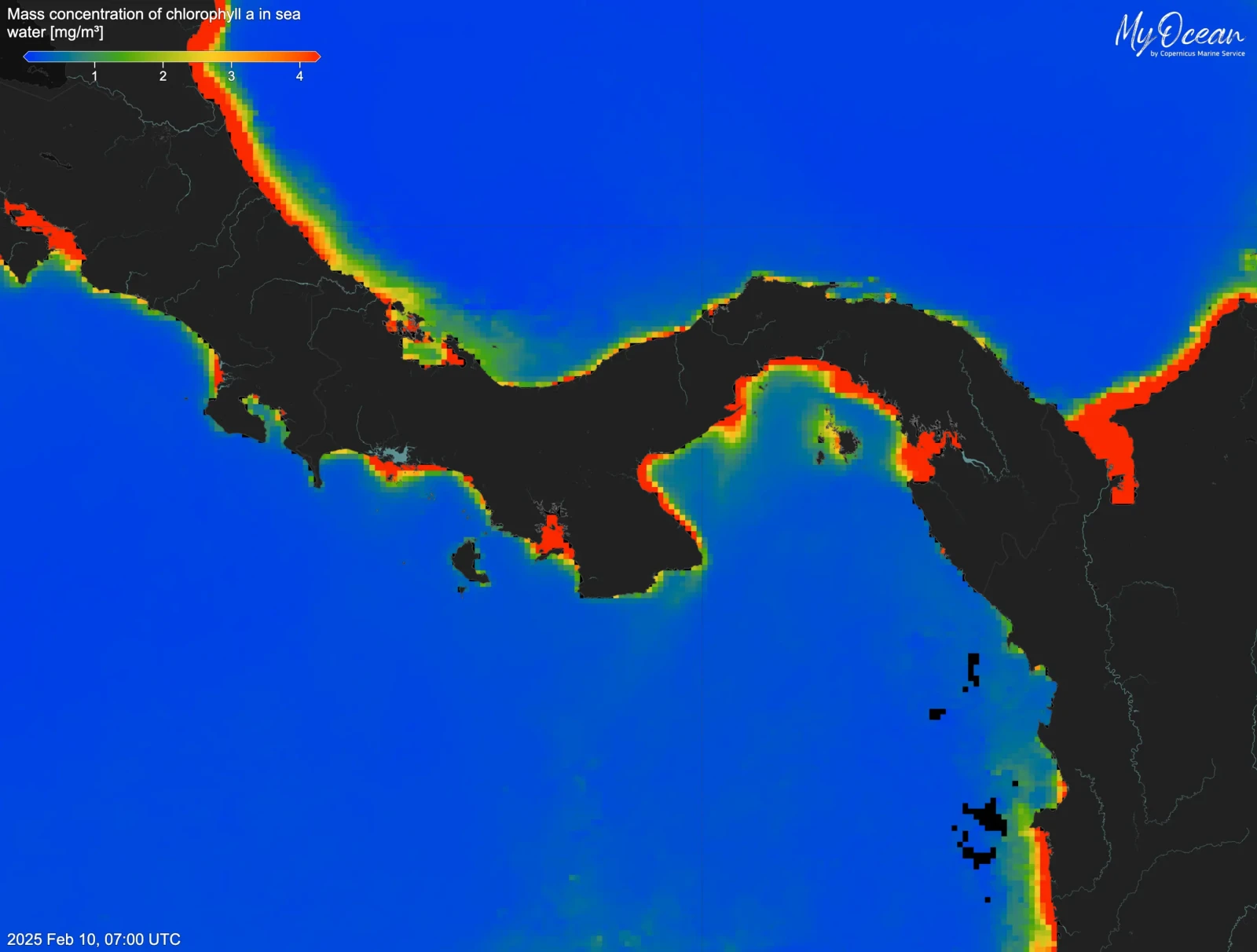
Satellite visuals underscore the loss. Normally, in February, maps of chlorophyll levels show the Gulf of Panama awash with reds and oranges, indicating vibrant algae blooms fueled by upwelling nutrients. Conversely, February 2025's maps were dominated by blues, representing very low productivity during a season that typically peaks.
The full ecosystem impact is still being assessed. While a single failed upwelling season might not cause a sudden fishery collapse, it deprives fish, seabirds, and marine mammals of a vital annual nutrient boost. Additionally, coral reefs faced intensified thermal stress without the cold water buffer, enduring prolonged heat amid already warm surrounding seas.
The researchers also stress a larger implication: tropical upwelling zones worldwide are crucial for both ecology and economy but lack adequate long-term monitoring. The 2025 collapse was detected only because STRI maintained one of the rare continuous ocean observation programs in the tropics. Comparable systems elsewhere remain mostly unmonitored.
- Categories:
- Science






0 comments
Sign in to Comment