
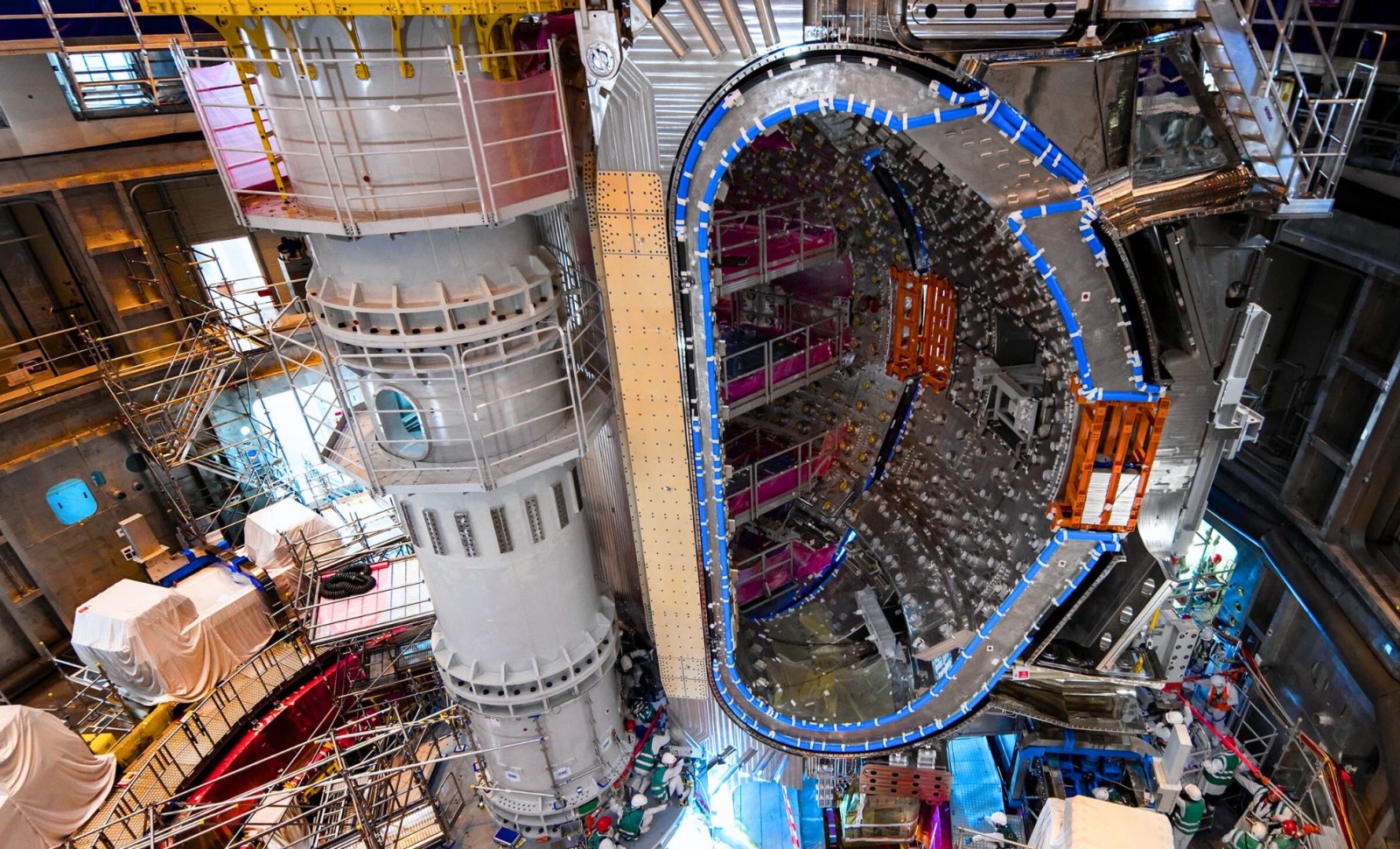
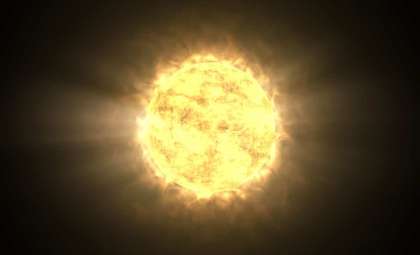
In the scenic hills of Provence, France, a groundbreaking scientific endeavor is advancing into a decisive phase. At the ITER research center, engineers are meticulously constructing a reactor designed to emulate the nuclear fusion process that energizes the sun and other stars.
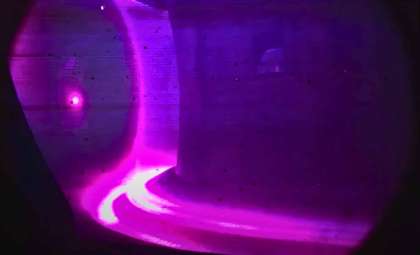
When operational, this reactor will strive to contain and stabilize ultra-hot plasma temperatures exceeding 150 million degrees Celsius. Beyond a mere technical feat, this project represents a bold investment in the future of sustainable energy with the potential to transform global power generation.
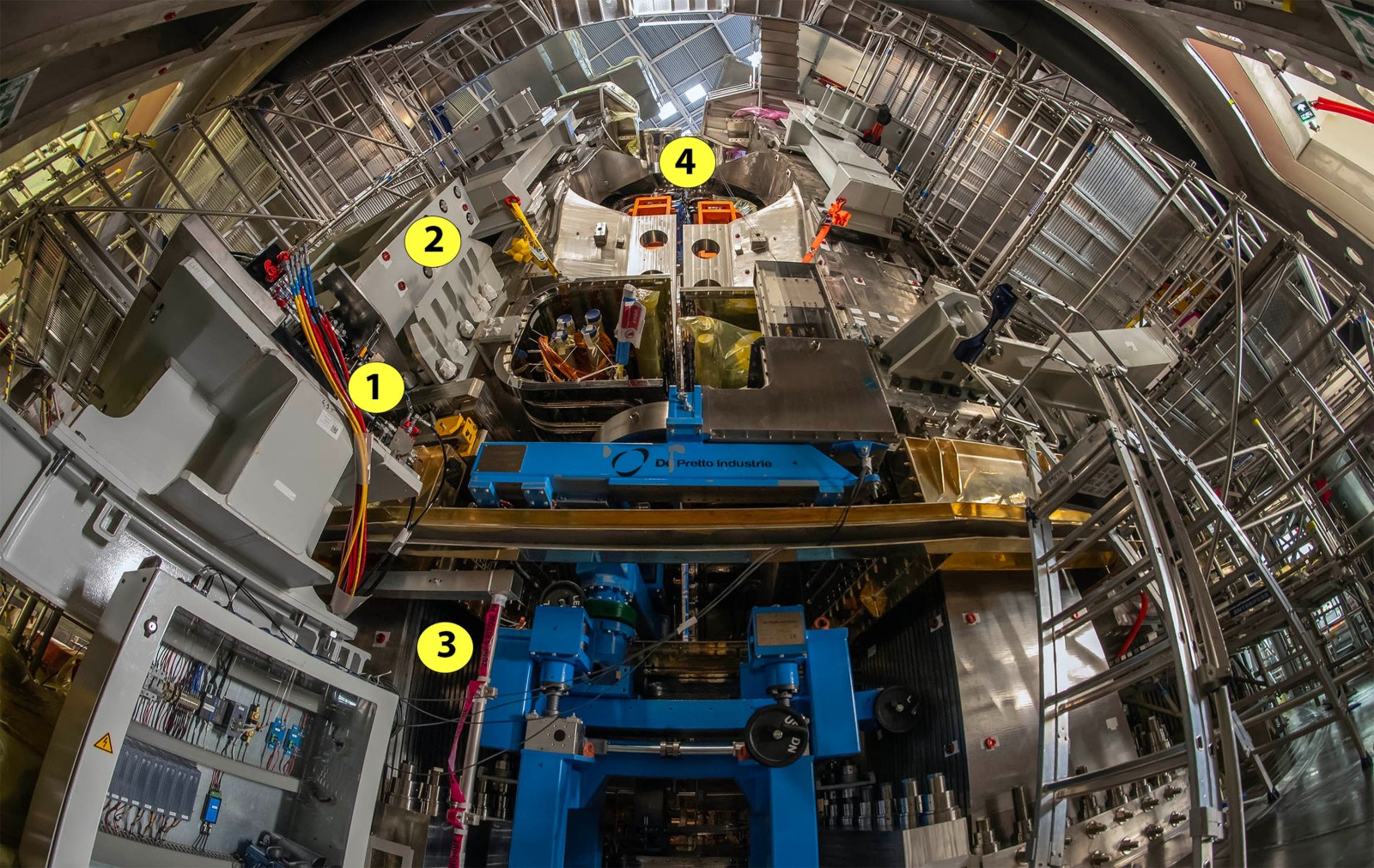
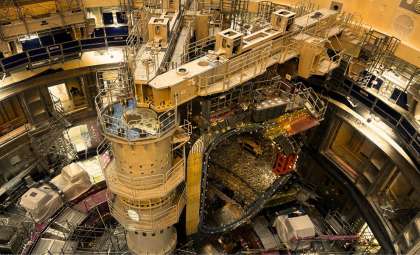
After nearly twenty years of development, the ITER fusion reactor is transitioning from design and production phases to highly precise assembly. This stage involves unprecedented engineering intricacy within the energy sector.

Fusion is often hailed as the ultimate energy solution due to its ability to provide virtually limitless, carbon-neutral power without the radioactive waste or meltdown risks tied to nuclear fission. ITER’s mission is to confirm this technology can be scaled to power metropolitan areas.
Tokamak Construction: Mastering Precision in Extreme Environments
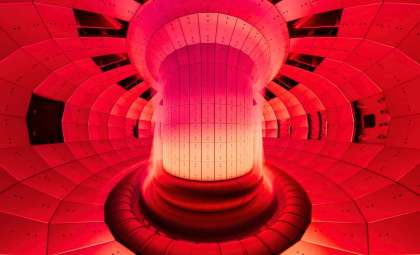
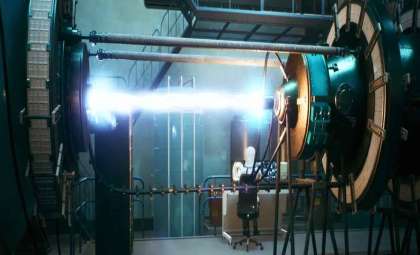
The core of ITER is a vacuum vessel, a colossal 19-meter stainless steel chamber designed to house plasma where hydrogen isotopes fuse, producing enormous energy output. This chamber is assembled from nine massive steel segments, each nearing 440 tonnes, sourced from Europe and South Korea.
Once complete, the vessel will weigh upwards of 5,200 tonnes and requires alignment with tolerances within a few millimeters. The American nuclear company Westinghouse leads the assembly, with essential support from European specialists Ansaldo Nucleare and Walter Tosto.
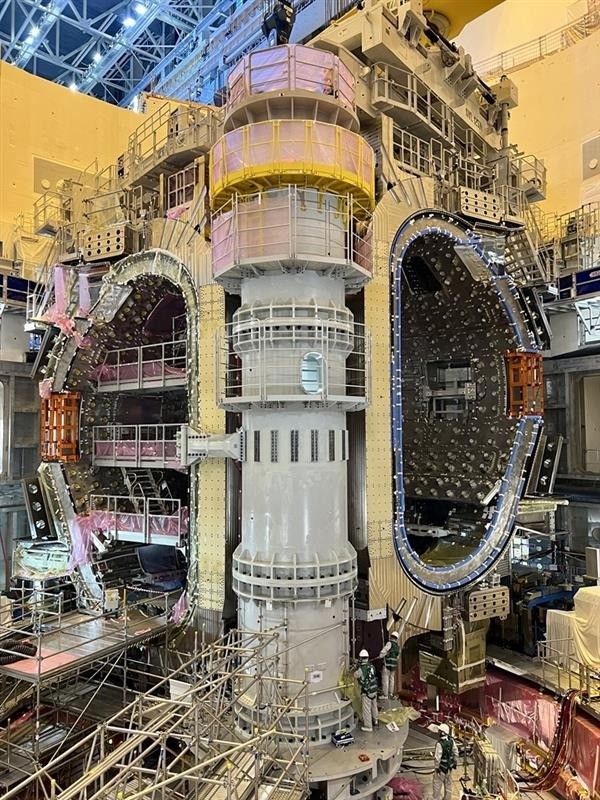
The stakes are high. The plasma must never contact the vessel walls, as this would halt the fusion process. Achieving the exact alignment, welding, and deformation control at extreme temperatures requires unrivaled engineering accuracy.
The tokamak design, originally developed in the Soviet Union, remains the leading model for controlled fusion. Its toroidal chamber employs superconducting magnets to isolate plasma from the vessel’s sides. ITER will house the largest tokamak to date, with an 830 cubic meter plasma volume—eight times bigger than current models.
A Truly Global Fusion Endeavor
Though located in France, ITER transcends national boundaries. It embodies one of the most extensive examples of international scientific cooperation, engaging 35 countries such as the United States, China, Russia, Japan, India, South Korea, and the European Union.
Each member country contributes specific reactor components. For example, the European Union delivers five of the nine vessel sectors, and South Korea supplies the remaining four. The United States has provided massive superconducting magnets over 18 meters long, while Japan assembles crucial pieces of the central solenoid—the powerful electromagnet driving plasma currents.
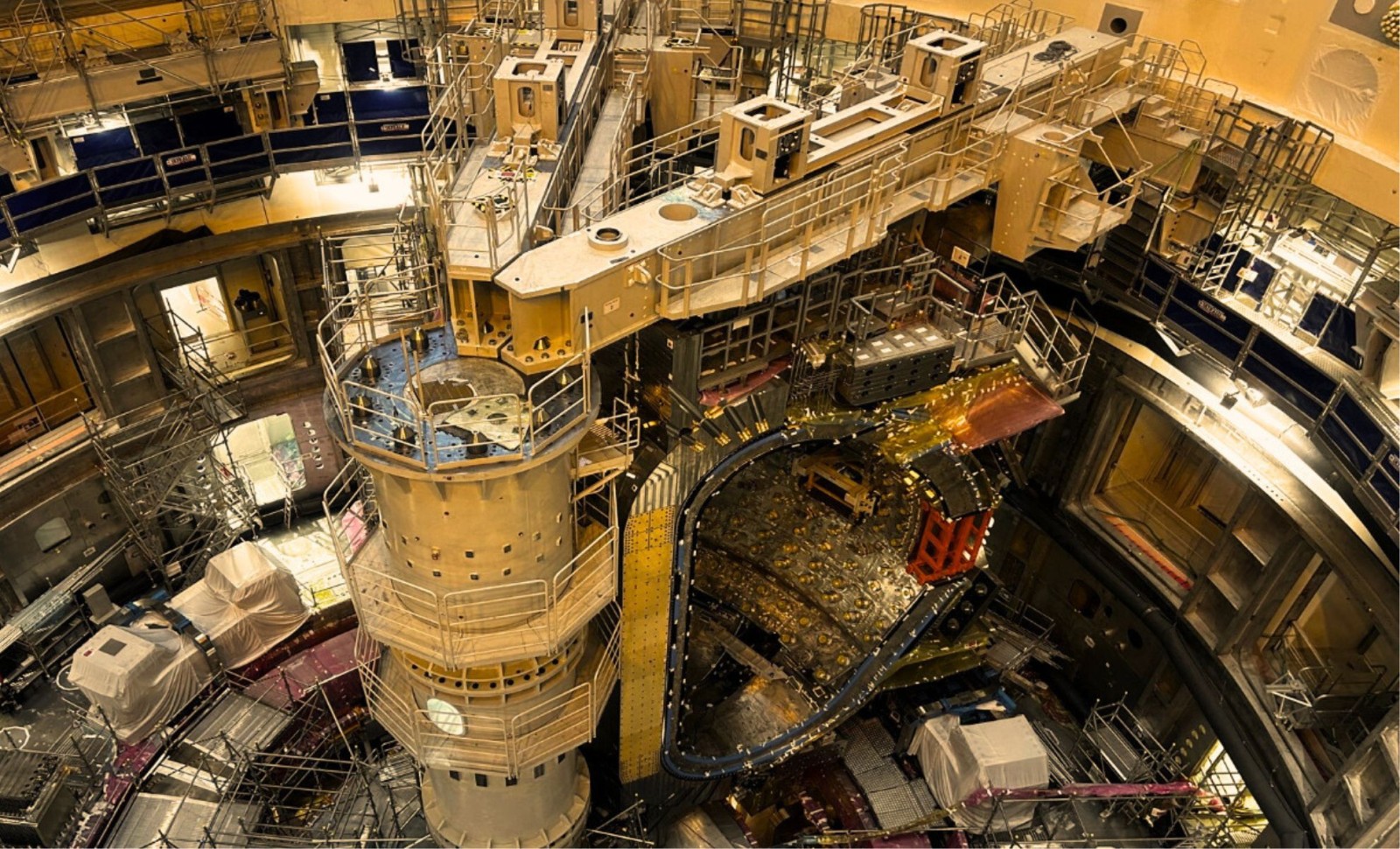
To power ITER’s magnetic system, more than 100,000 km of superconducting wiring—enough to wrap Earth twice—were produced, sparking a significant boost in manufacturing capacity. These massive parts are transported via the specially prepared ITER Itinerary, a 104-km route adapted for components weighing up to 900 tonnes.
This level of multinational coordination in energy research is rare, demanding extraordinary precision and collaboration across time zones and continents. It’s often described as a global engineering jigsaw puzzle.
Fusion's Potential and the Road Ahead
Fusion energy holds remarkable advantages over other renewable energies. It relies on hydrogen isotopes, abundant in seawater and lithium, as fuel. The process produces zero carbon emissions, no persistent radioactive waste, and carries no meltdown hazards. The energy density produced surpasses fossil fuels by millions of times and operates independently of weather or sunlight conditions.
ITER aims to generate 500 megawatts of fusion energy from an input of just 50 megawatts, achieving a tenfold energy gain known as Q = 10. This would vastly exceed the current record set by the UK's JET facility, which reached Q = 0.67.
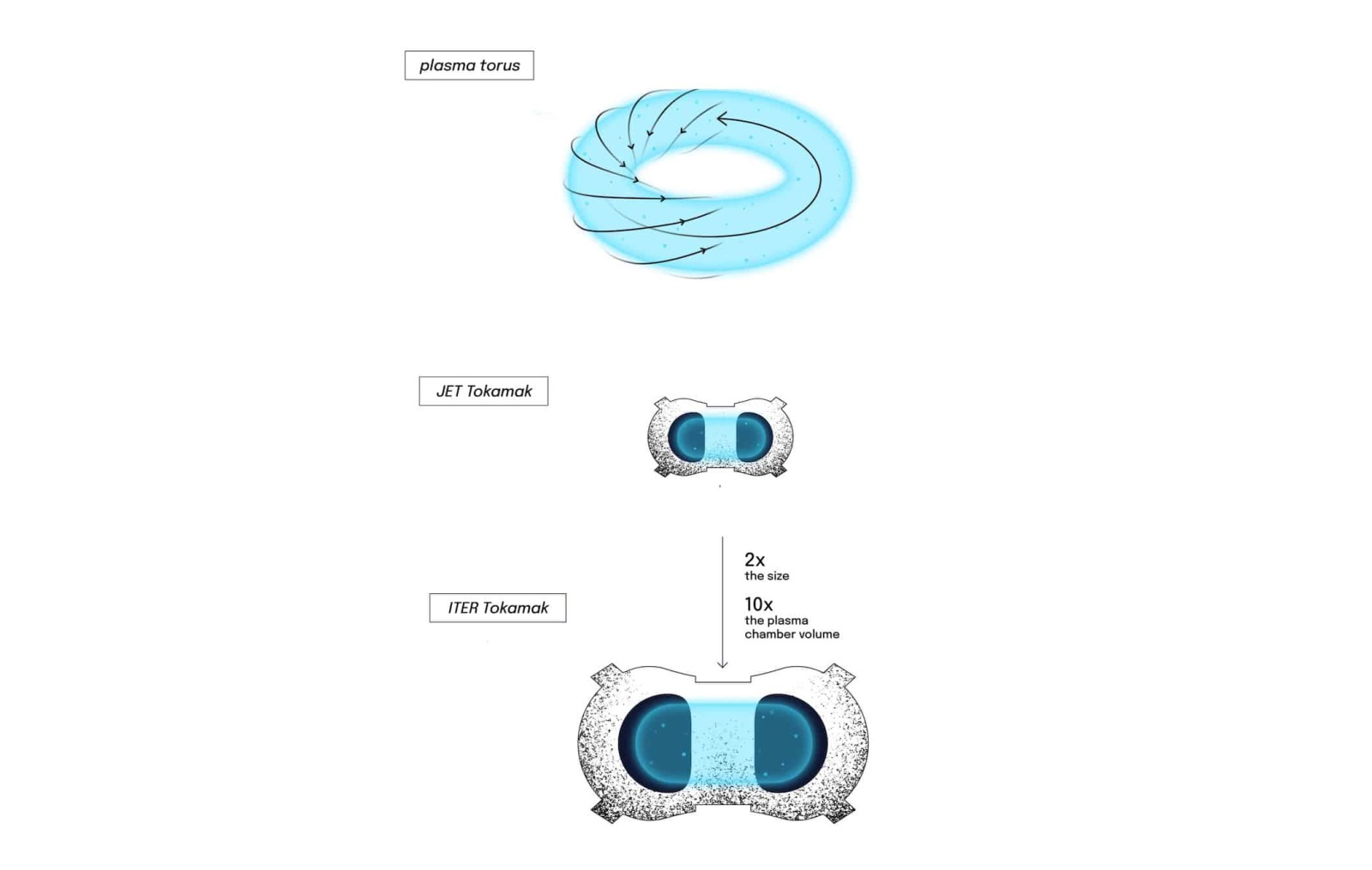
However, ITER is a research device, not an electricity supplier. The next stage, DEMO, is envisioned as the first commercial fusion power plant, currently in early design phases across Europe and Asia.
Project timelines have evolved. Initial plasma was initially targeted for 2018, but the latest goals are:
- Deuterium-deuterium plasma operations commencing by 2035
- Comprehensive plasma and magnetic field testing planned for 2036
- Deuterium-tritium fusion experiments starting in 2039
These dates were confirmed in ITER’s July 2024 Baseline Update. Once fusion ignition is achieved, maintaining it over extended periods and scaling the technology for commercial energy production will be the next critical challenges.
- Categories:
- Science

0 comments
Sign in to Comment