
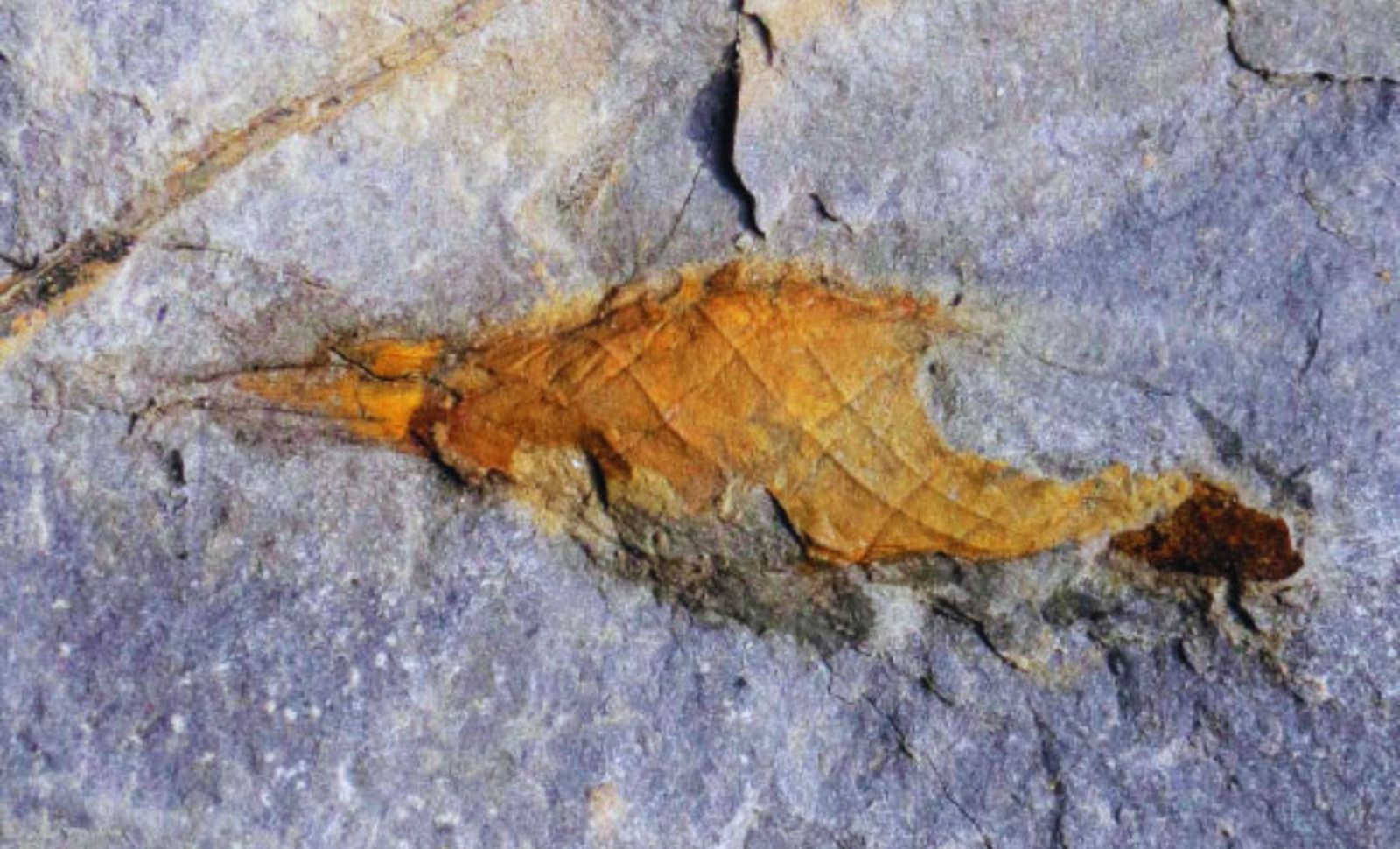
Researchers have uncovered a shark egg case dating back 310 million years in South Yorkshire. This remarkable fossil, analyzed by Dean Lomax and his colleagues, is exceptional due to the preservation of soft tissue remnants, which rarely survive through fossilization.
Although small, this discovery offers significant insights into the biology of ancient sharks, revealing details about their existence long before dinosaurs roamed the Earth. Sharks’ impressive longevity is largely due to their incredible adaptability over hundreds of millions of years.
A Remarkably Preserved Fossil Almost Lost to Time
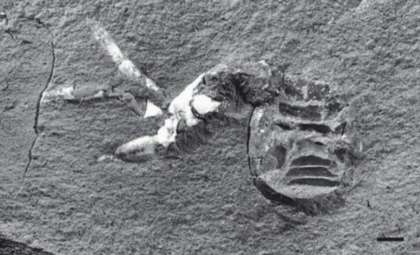
The find was made near Doncaster, South Yorkshire, within Upper Carboniferous rock layers. As documented in the Geological Journal, the fossil is notable because it retained delicate soft structures typically prone to rapid decay before fossilization can occur. Dean Lomax emphasized how extraordinary this preservation is.

“The shark egg case is particularly rare and significant, because it’s soft bodied and an unusual object to find fossilized.”
This rarity highlights a common challenge in paleontology: while hard parts like bones fossilize readily, soft tissues often perish before they can be preserved.
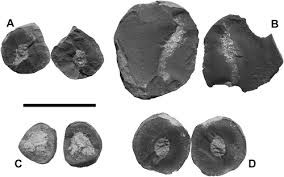
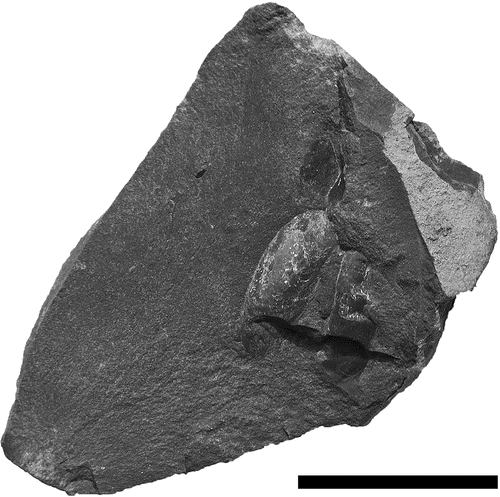
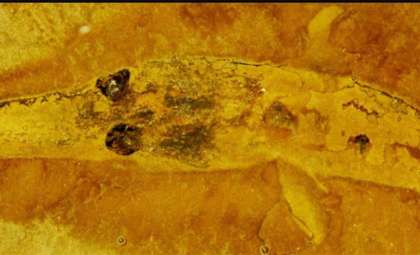
“The diverse flora and fauna consists of plants, bivalves, arthropods (primarily xiphosurans), tentaculitids (microconchids), fish scales, shark egg capsules and coprolites,” wrote the authors.
Insights Into Ancient Shark Reproduction
This fossil confirms that egg-laying, or oviparity, was already present in shark ancestors over 300 million years ago. According to Lomax and his team, this marks one of the earliest examples of reproductive behavior in sharks.
Modern oviparous sharks produce robust eggs encased in protective outer shells often equipped with tendrils that help the eggs cling to underwater surfaces. The fossilized egg case shares these key features, indicating this reproductive method has been stable throughout evolutionary history.
Today, nearly 40 percent of cartilaginous fish still reproduce by laying eggs, underscoring the enduring success of this strategy.
A Window Into a Carboniferous Marine Habitat
The egg case was discovered alongside other fossils that together illustrate the vibrant ecosystem existing during the Carboniferous period. This ancient habitat hosted a diverse array of plants, invertebrates, and fish cohabiting in the same environment.
The detailed assemblage, described in the Geological Journal, allows scientists to reconstruct the dynamics of this prehistoric marine setting.
Now housed at the Doncaster Museum, the fossils enrich the repository’s collection. Lomax suggested that continued excavations at the location might yield additional extraordinary finds. He noted:
“We hope that future organized collecting of the site may reveal further rare discoveries. And who knows, maybe we will even find the actual shark.”
- Categories:
- Science





0 comments
Sign in to Comment