
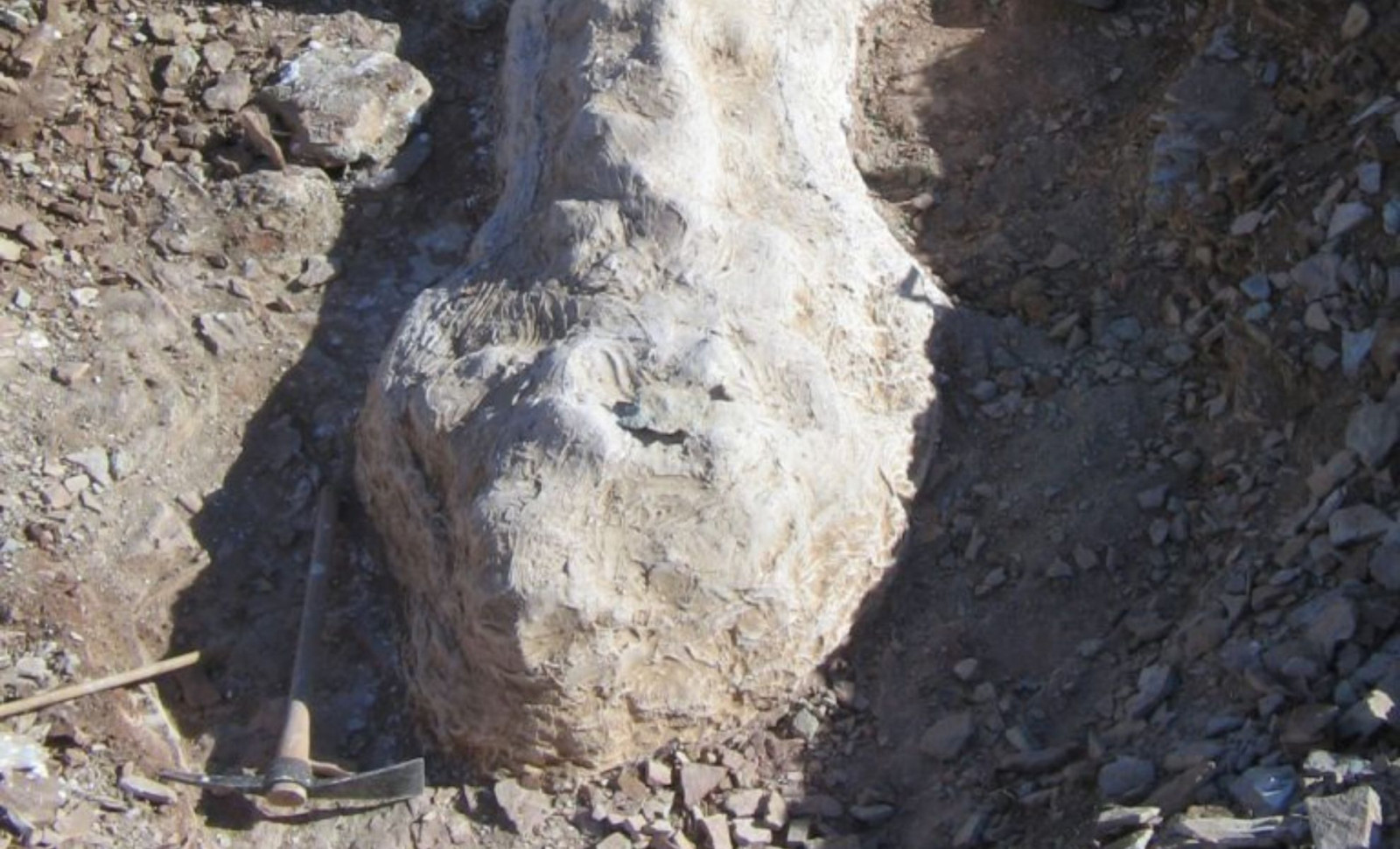
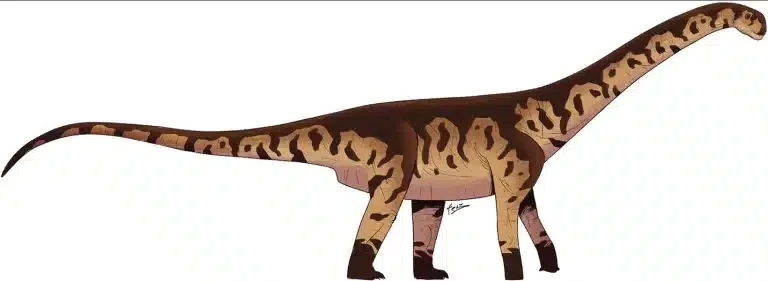
A remarkable dinosaur fossil found in Argentina is reshaping scientific views on the evolution of giant sauropods in the Southern Hemisphere. Dubbed Bicharracosaurus dionidei, this enormous herbivore exhibits an unexpected combination of characteristics seen in both brachiosaurids and diplodocids, a blend researchers had never anticipated in a single species.
Unearthed from the Cañadón Calcáreo Formation in Patagonia and dating back approximately 155 million years, this discovery, detailed in PeerJ, could represent the earliest Jurassic brachiosaurid identified in South America.
Known for their immense size, small skulls, elongated necks, and extensive tails, sauropods are among the most iconic dinosaurs to roam Jurassic Earth. Well-known varieties like Diplodocus and Brachiosaurus have largely shaped popular conceptions of these giants.

Fossil finds related to these creatures have predominantly emerged from North America and Africa, making the Argentine discovery of Bicharracosaurus dionidei vital for filling significant gaps in the southern prehistoric records of Gondwana. Experts from LMU Munich and the Bavarian State Collections of Natural History emphasize the importance of these Patagonian specimens in understanding sauropod evolution.
A Blend of Features from Distinct Sauropod Groups
Paleontologists uncovered over 30 vertebrae spanning the neck, back, and tail, along with ribs and a portion of the pelvic bones. The remains point to an adult dinosaur estimated to be roughly 20 meters (65 feet) long.
Parts of the skeleton bear a striking resemblance to Giraffatitan, a giant brachiosaurid from Tanzania, while other segments, particularly vertebrae from the back, align more closely with Diplodocus and its North American relatives. Lead researcher Alexandra Reutter noted:
“Our phylogenetic analyses of the skeleton indicate that Bicharracosaurus dionidei was related to the Brachiosauridae, which would make it the first Brachiosauridae from the Jurassic of South America.”
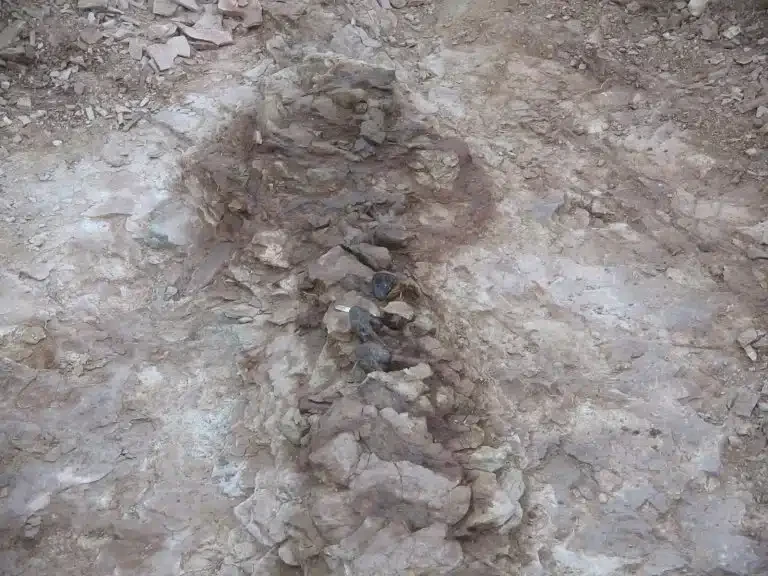
This unusual mixture of anatomical traits is why paleontologists are captivated by the fossil. Key diagnostic features used to classify sauropods often lie within vertebral structure, and this specimen challenges existing classification norms.
Uncovering More Jurassic Mysteries in Patagonia
The fossils stem from Argentina’s Chubut Province, an area already renowned for significant dinosaur finds. The Cañadón Calcáreo Formation is becoming a crucial source for understanding Jurassic-era Gondwanan ecosystems.
Dinosaur specialist Oliver Rauhut remarked that most knowledge about Late Jurassic sauropods is still derived from Northern Hemisphere fossils, with Tanzania historically representing one of the few Southern Hemisphere sites from that epoch.
“The fossil site in the Argentine province of Chubut, from which Bicharracosaurus dionidei originates, provides us with important comparative material, allowing us to continuously supplement and reevaluate our understanding of the evolutionary history of these animals, particularly in the Southern Hemisphere,” he said in an university statement.
This novel find complements existing research by filling an important gap in the fossil record, enriching the overall understanding of Jurassic dinosaur evolution.
The Shepherd Behind the Discovery
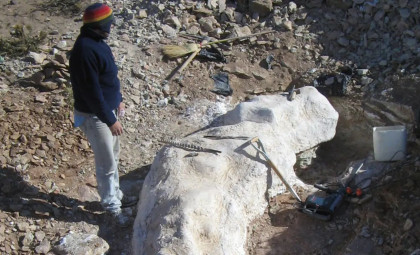
The species honors Dionide Mesa, the shepherd who initially spotted the fossils on a Patagonian farm. The genus name Bicharracosaurus is derived from the Spanish slang “bicharraco,” meaning “large beast.”
The fossils are now preserved at the Museo Paleontológico Egidio Feruglio in Trelew, Argentina. The research team included José Luis Carballido, Guillermo José Windholz, Diego Pol, and Oliver W.M. Rauhut, alongside Reutter.
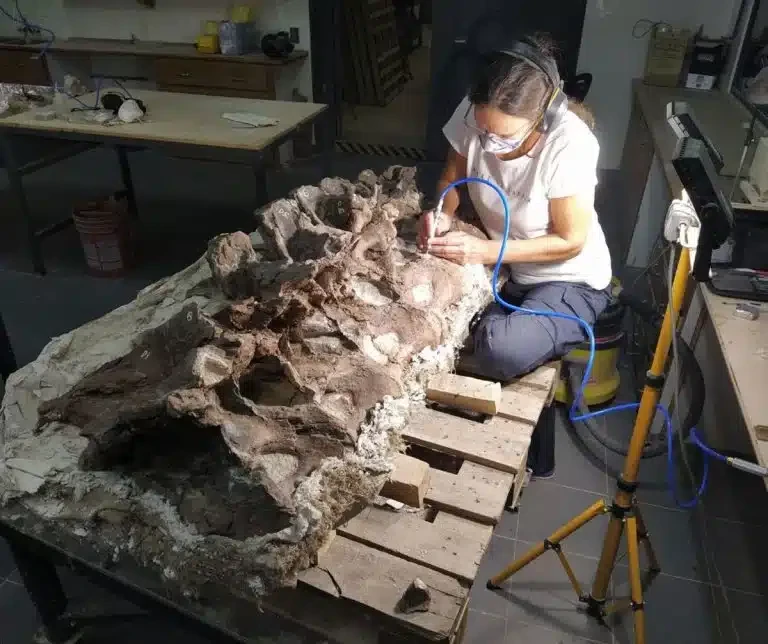
Although the skeleton is incomplete, this discovery ranks among the most significant Jurassic sauropod finds in South America recently. Its distinctive anatomy offers fresh insights into the evolutionary history of some of the largest terrestrial creatures from nearly 155 million years ago.
- Categories:
- Science


0 comments
Sign in to Comment