
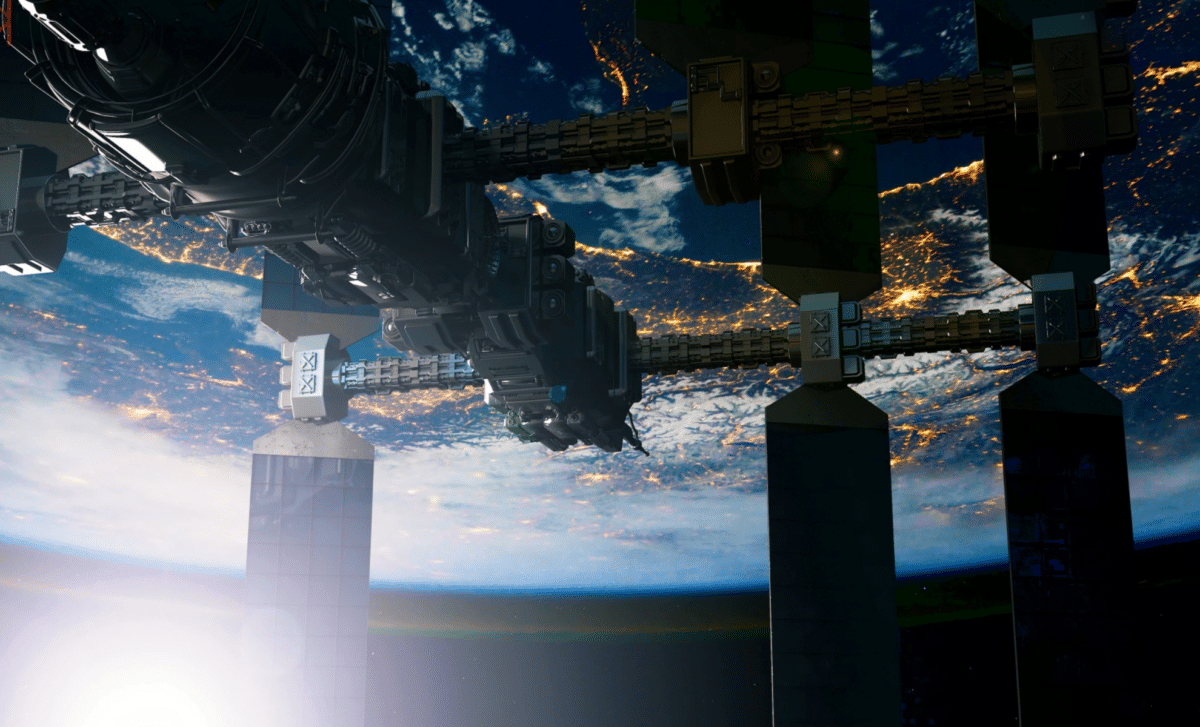
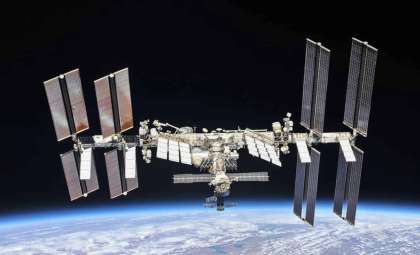
An ongoing issue with an air leak in the Russian section of the International Space Station (ISS) has reemerged, highlighting the persistent hurdles of maintaining orbital hardware that has been operational for decades. Ars Technica reports that this month, cosmonauts identified a gradual pressure decline in the Zvezda Service Module, indicating the problem remains unresolved despite attempts to repair it over the years.
History of Air Leaks and Repair Challenges
The ISS air leak problem started in September 2019 when Roscosmos detected a pressure drop in the vestibule (PrK) connecting a docking port to the Zvezda module. Gradually, the air loss accelerated from roughly one pound per day to over two pounds, causing NASA to classify the risk at a critical level.
Both NASA and Roscosmos encountered difficulties pinpointing the leak’s exact origin and finding a lasting repair. Over six years, the crew carried out numerous inspections and attempted fixes, while tracking pressure changes carefully. Although a positive sign in June 2025 suggested repairs might have succeeded, the leak resurfaced in May 2026, confirming the underlying issue persists.

The Unrelenting Leak
This month, Russian cosmonauts noticed another drop in pressure while transferring cargo from the Progress 95 spacecraft to the Zvezda module’s transfer tunnel. “Data analysis showed an air loss of about one pound daily,” stated NASA’s spokesperson Josh Finch in an Ars interview. “Roscosmos has allowed the pressure to slowly decline while closely monitoring it. The compartment is maintained at reduced pressure, with minor repressurizations applied as necessary. Station operations remain unaffected, and NASA and Roscosmos are collaborating on future procedures.”
This recurring issue reveals how difficult it is to preserve equipment in low-Earth orbit that endures intense radiation, micrometeoroid strikes, and extreme temperature changes. Even small fissures or deteriorating seals can lead to air leaks, demanding meticulous supervision and maintenance from astronauts and ground control.
Consequences for Tomorrow’s Space Missions
The persistent leak has reignited discussions about the ISS’s planned retirement date. Scheduled to be decommissioned in 2030, recent debates within the U.S. Congress consider postponing the shutdown until private space stations can safely sustain continuous human activity in orbit.
“This situation validates current plans to retire the ISS by 2030 and shift to newer, more efficient, and safer commercial stations,” said McAlister in an interview with Ars Technica. The ongoing leak spotlights the vulnerabilities of aging space infrastructure, serving as a reminder to engineers and officials about the increasing intricacies and dangers in maintaining operations around Earth.
Continual Surveillance and Future Plans
NASA and Roscosmos remain vigilant in monitoring the leak, carrying out occasional repressurizations to manage air pressure levels. Although the crew’s safety is not currently jeopardized, this challenge exemplifies the complexities of sustained human presence in space. Engineers are closely examining the leak rate, structural weaknesses, and potential repair options in preparation for definitive measures prior to the ISS’s eventual retirement.
The revival of this air leak issue underscores the engineering limits faced in space exploration and stresses the necessity for continual advancements to guarantee a safe and lasting human foothold beyond Earth.
- Categories:
- News






0 comments
Sign in to Comment